Bachelor's Project under the guidance of Gaël Hugo, écal
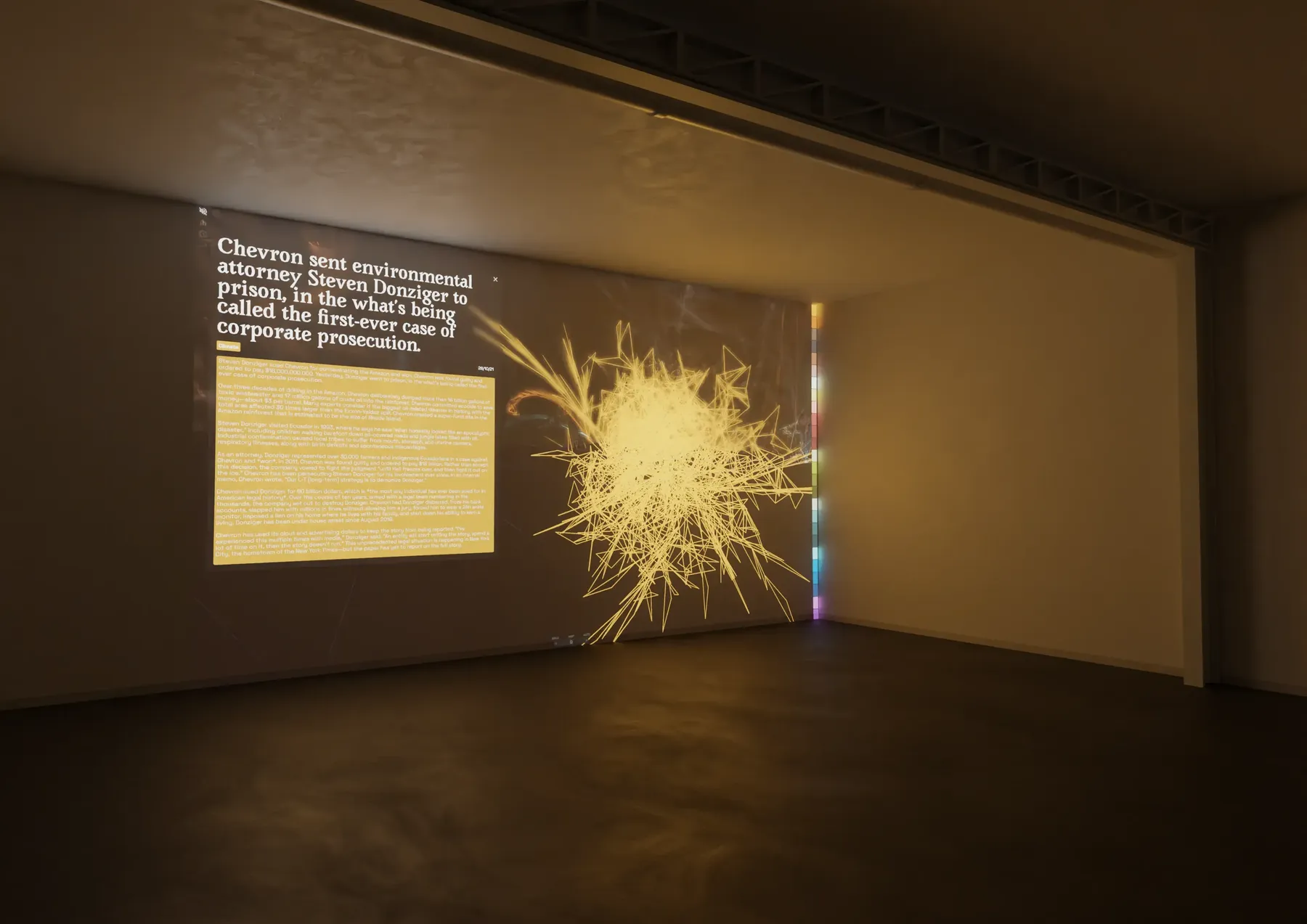
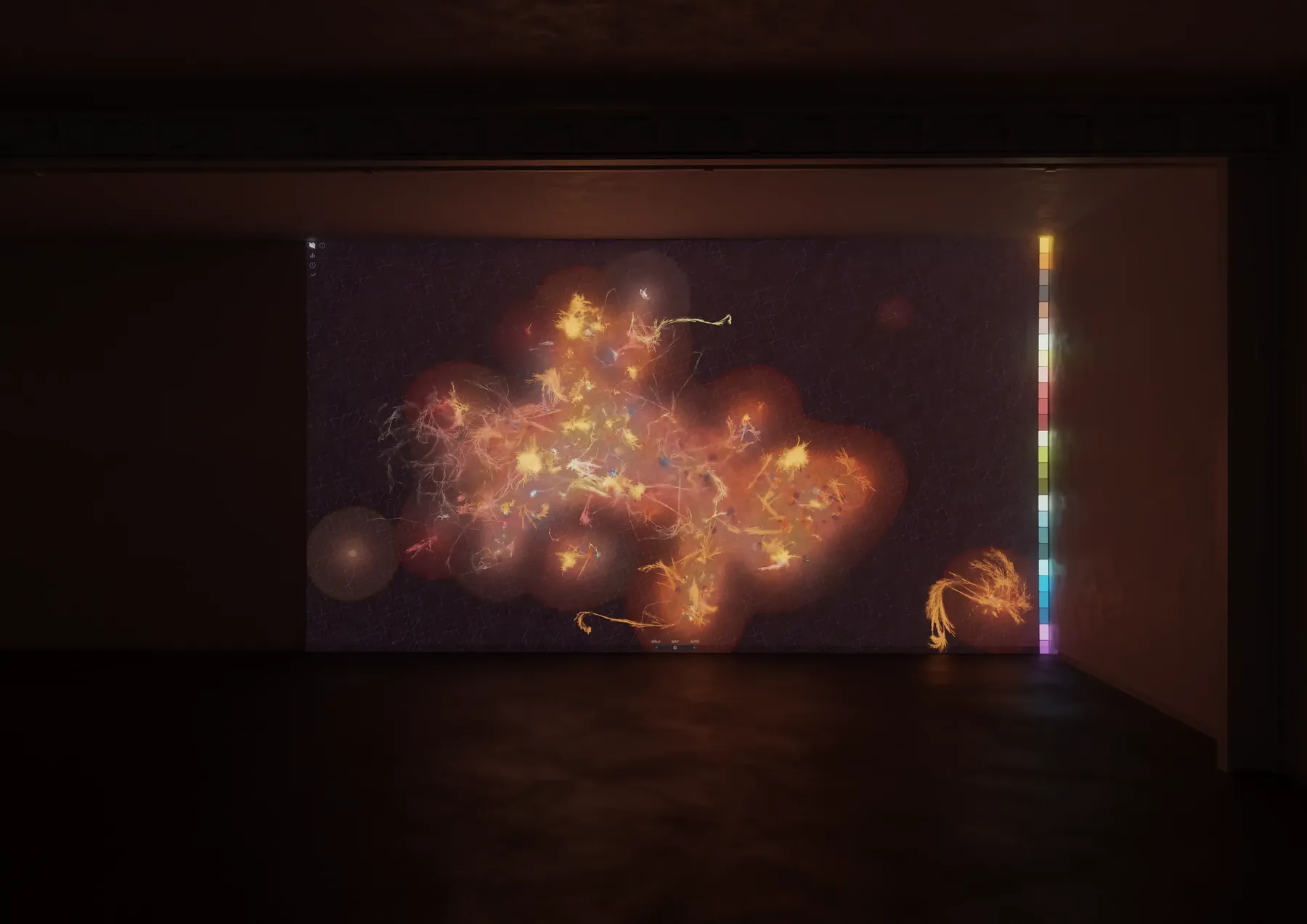
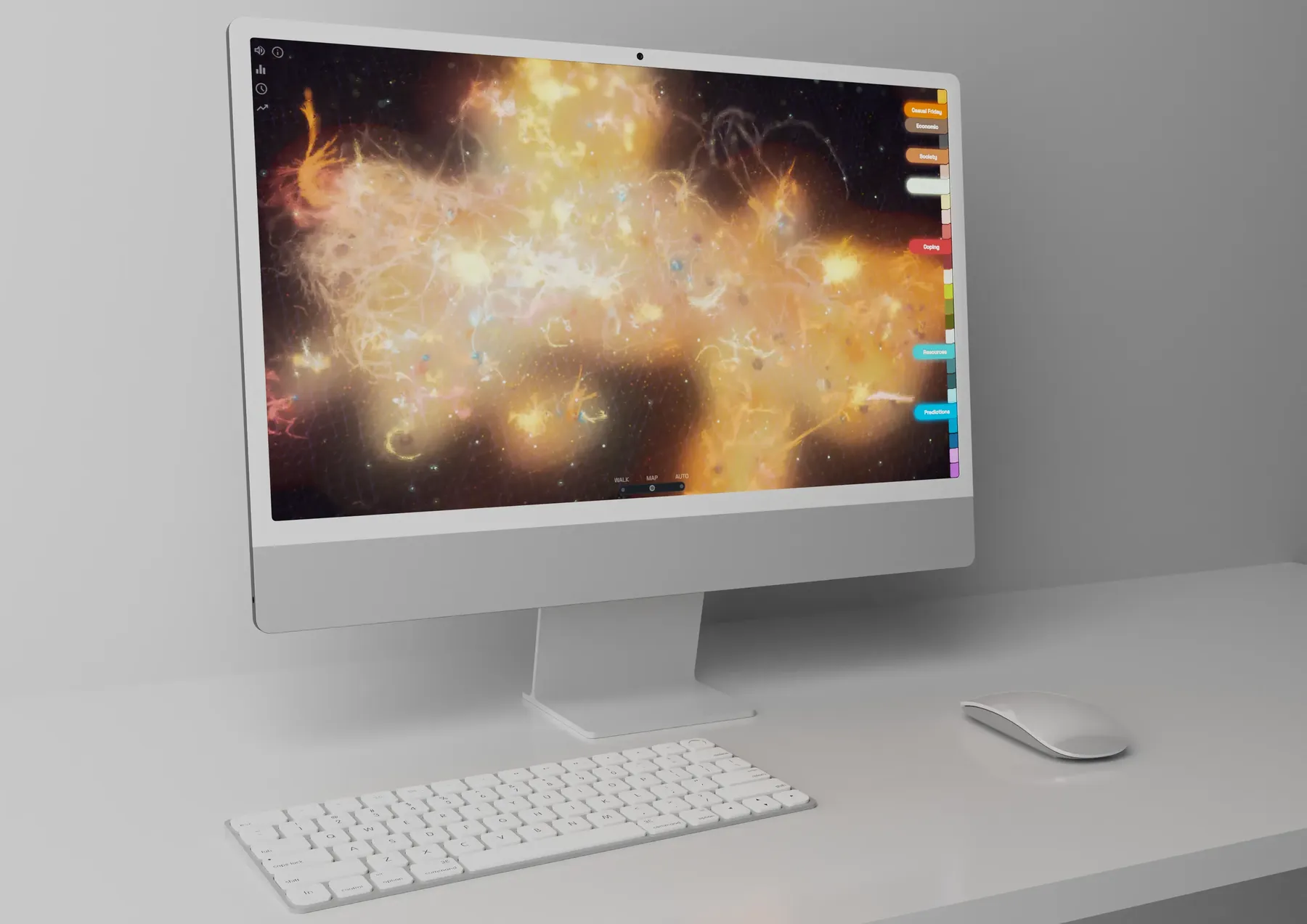
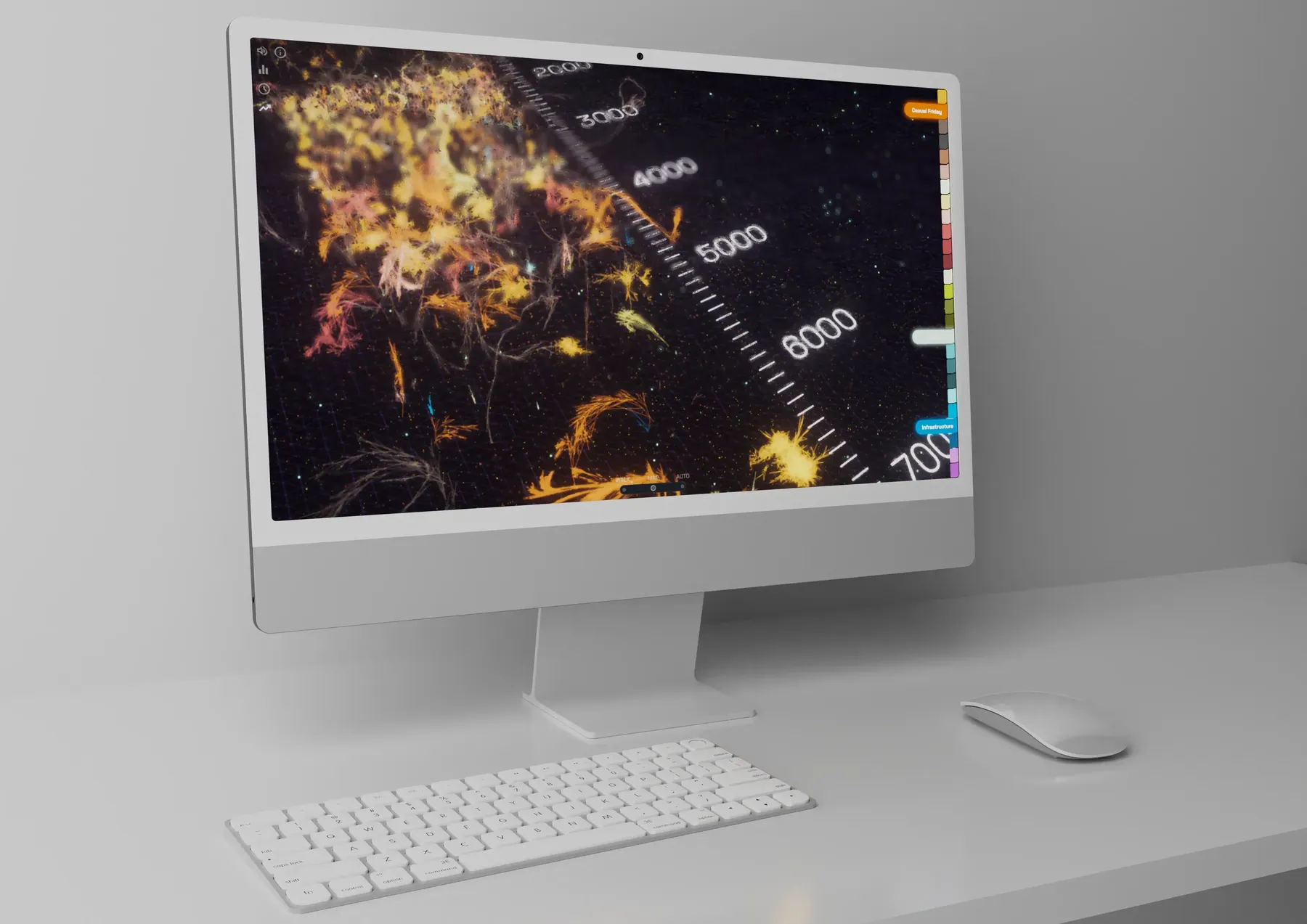
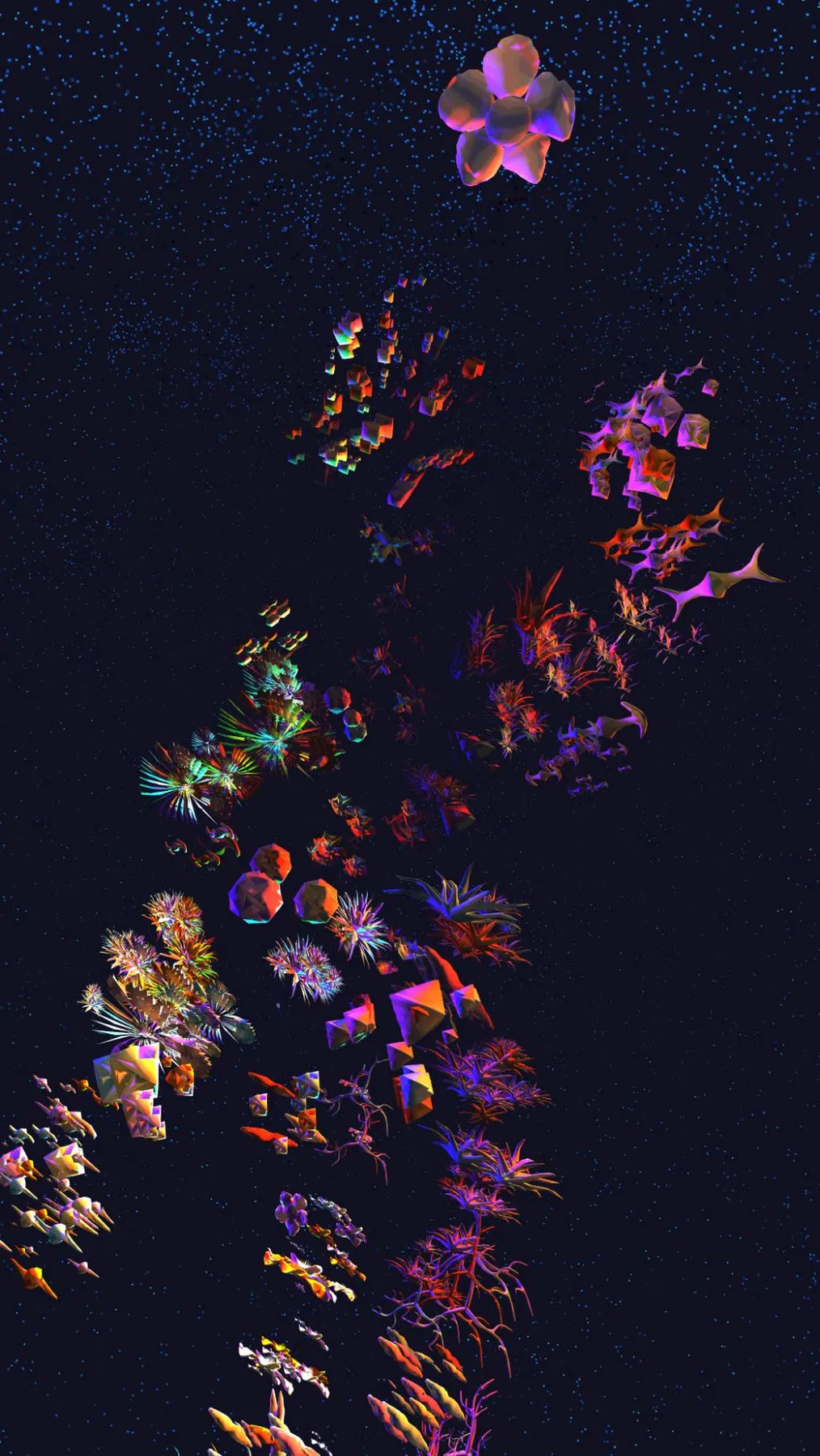
The Last Forest offers a browser-based walkable forest of spatialized information about collapse in general. Internet goers are invited to wander through it, where they find posts from the r/collapse reddit community as trees. Categorization and an index allow a more structured browsing of the information contained in the trees. The Last Forest is meant to raise awareness about climate change and its potential to end globalized, consumerist civilization as we know it. I learned a lot working on the data pipeline of the project, which consists of a Node.js server reading Reddit posts, a MongoDB database, and finally L-System trees rendered using Three.js and GLSL shaders.
During this workshop, we were instructed to think about the concept of Avatars.
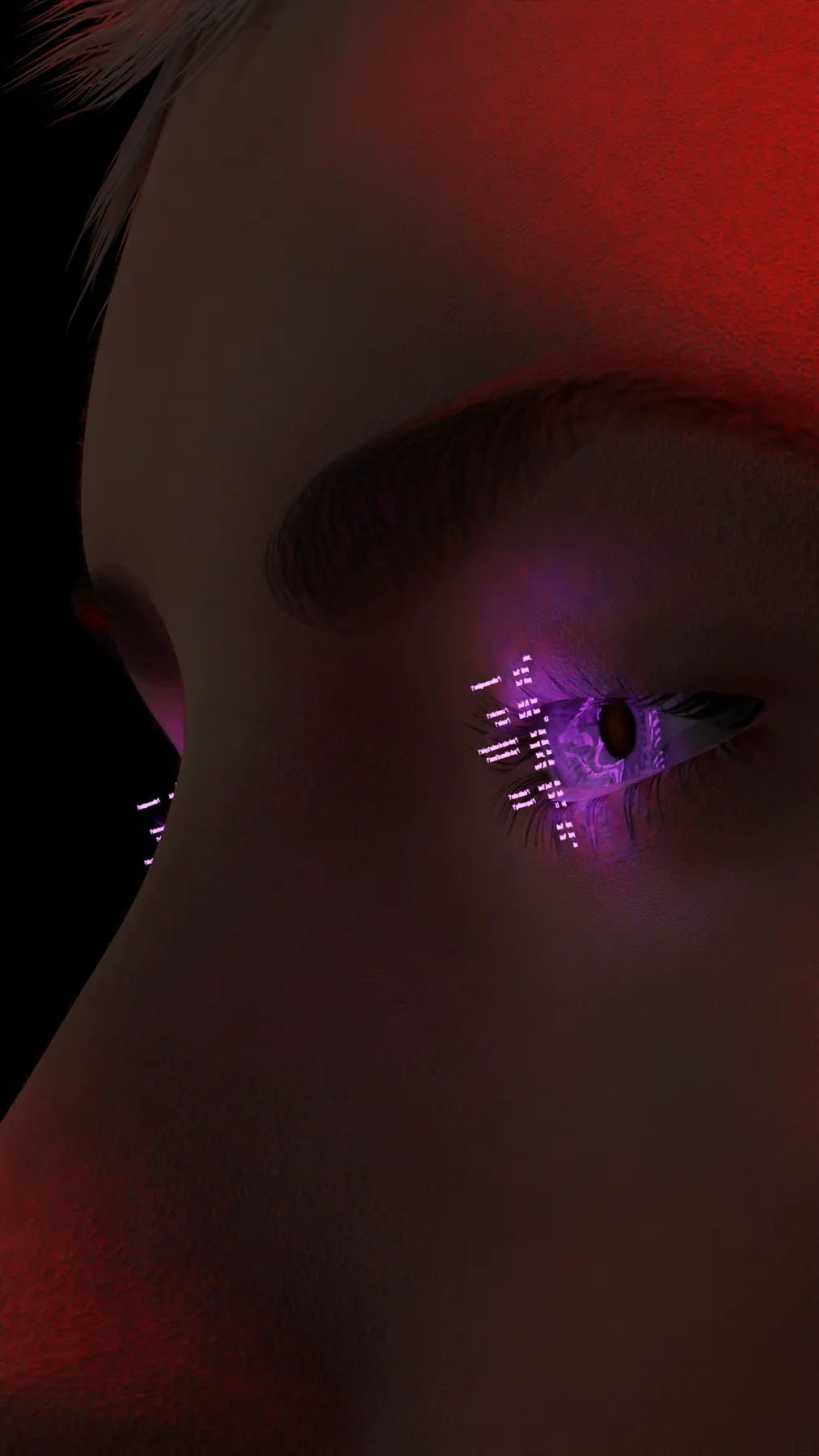
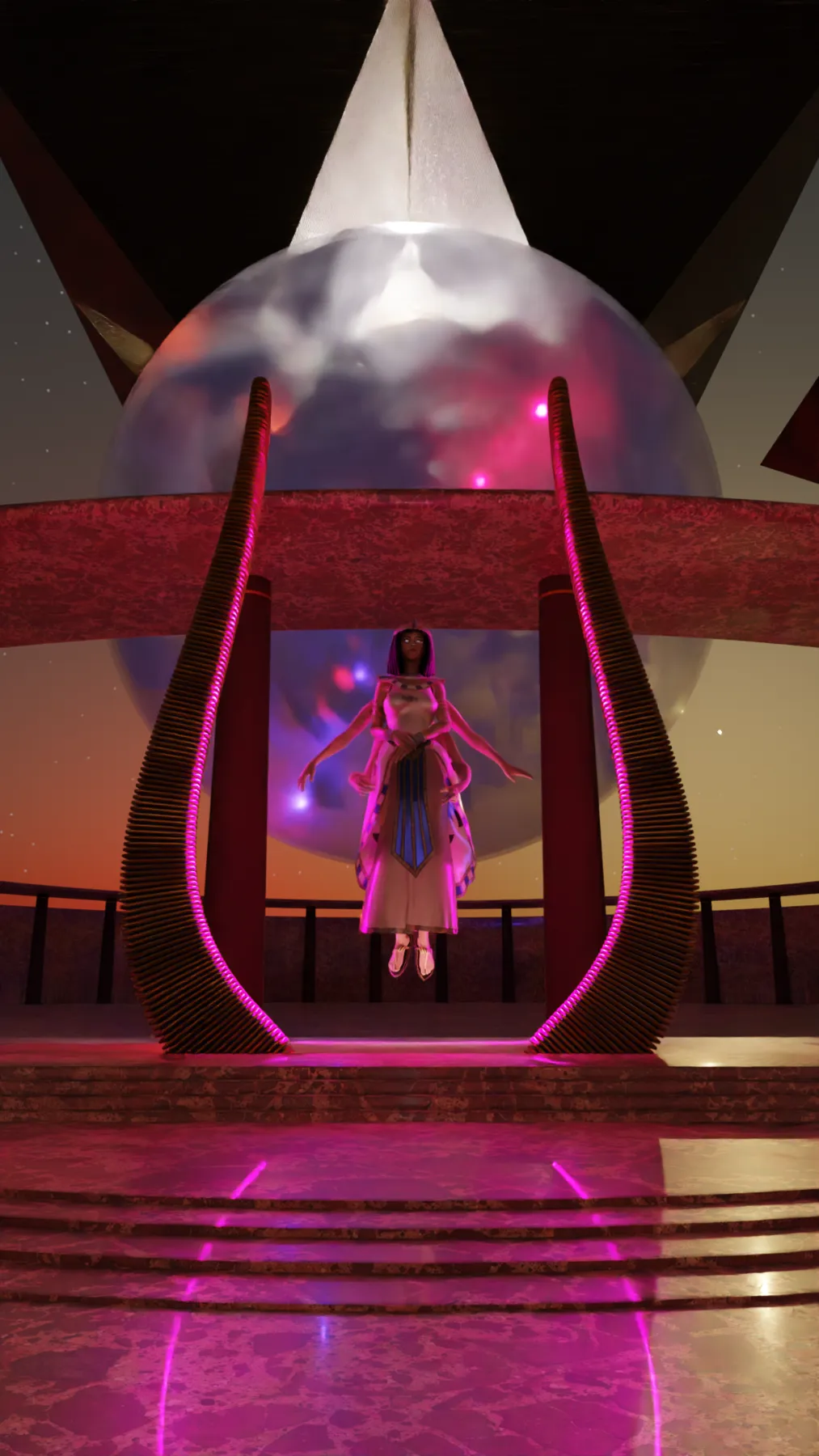
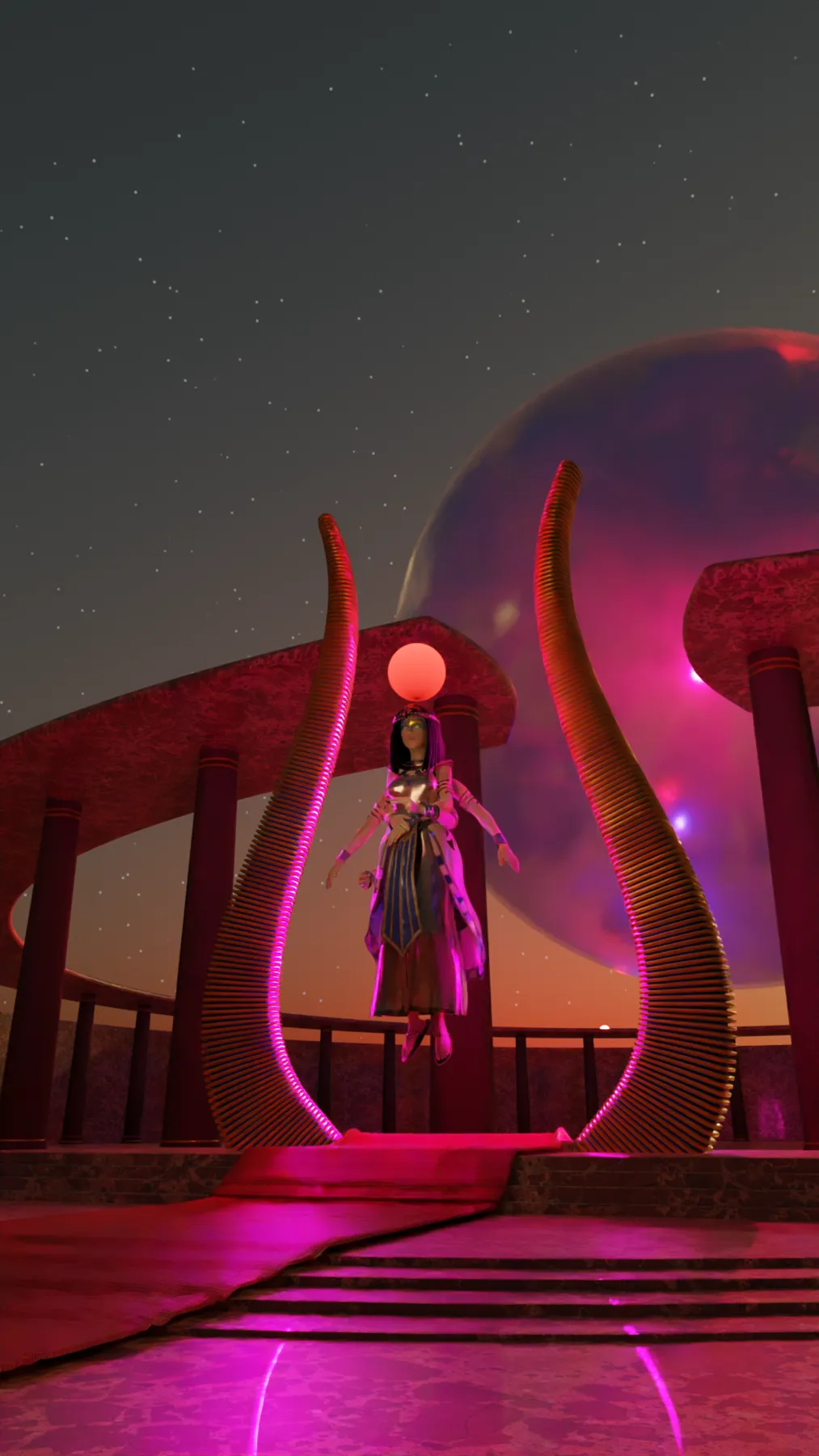
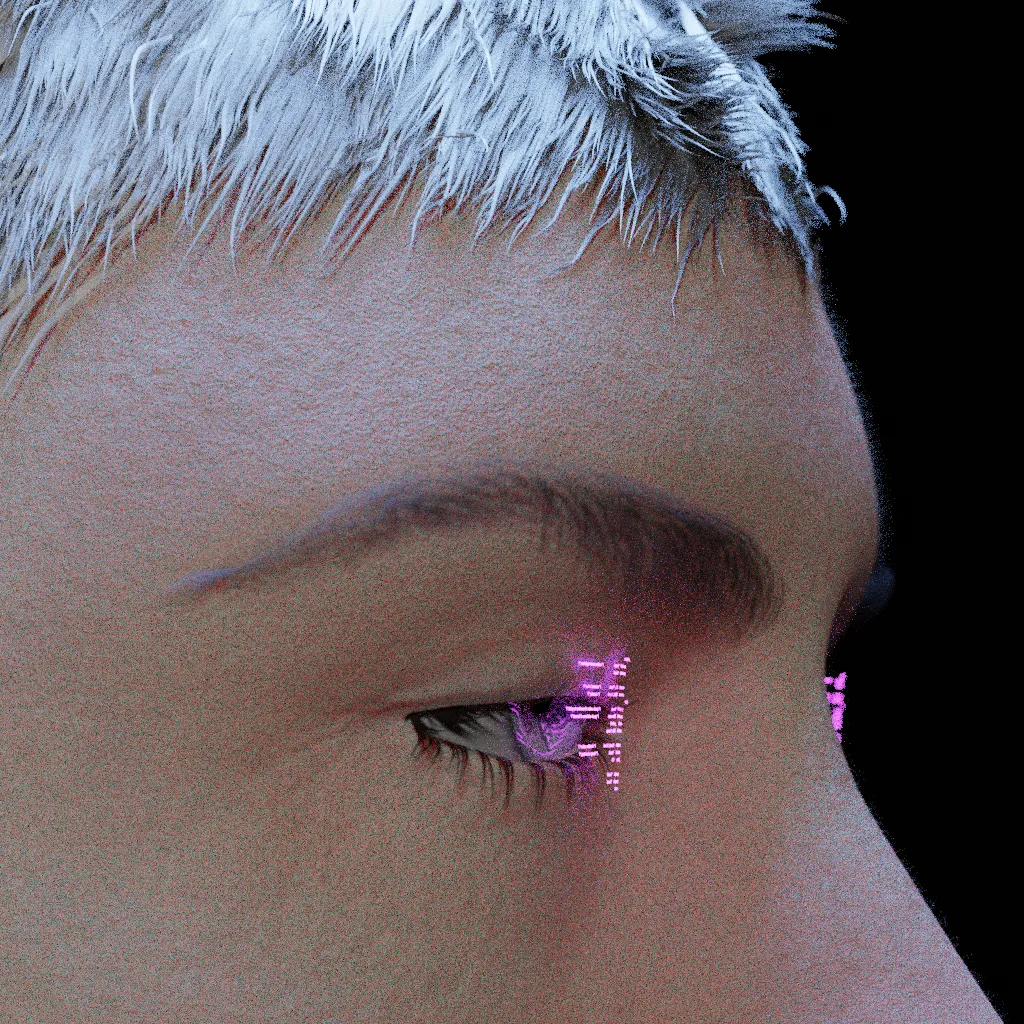
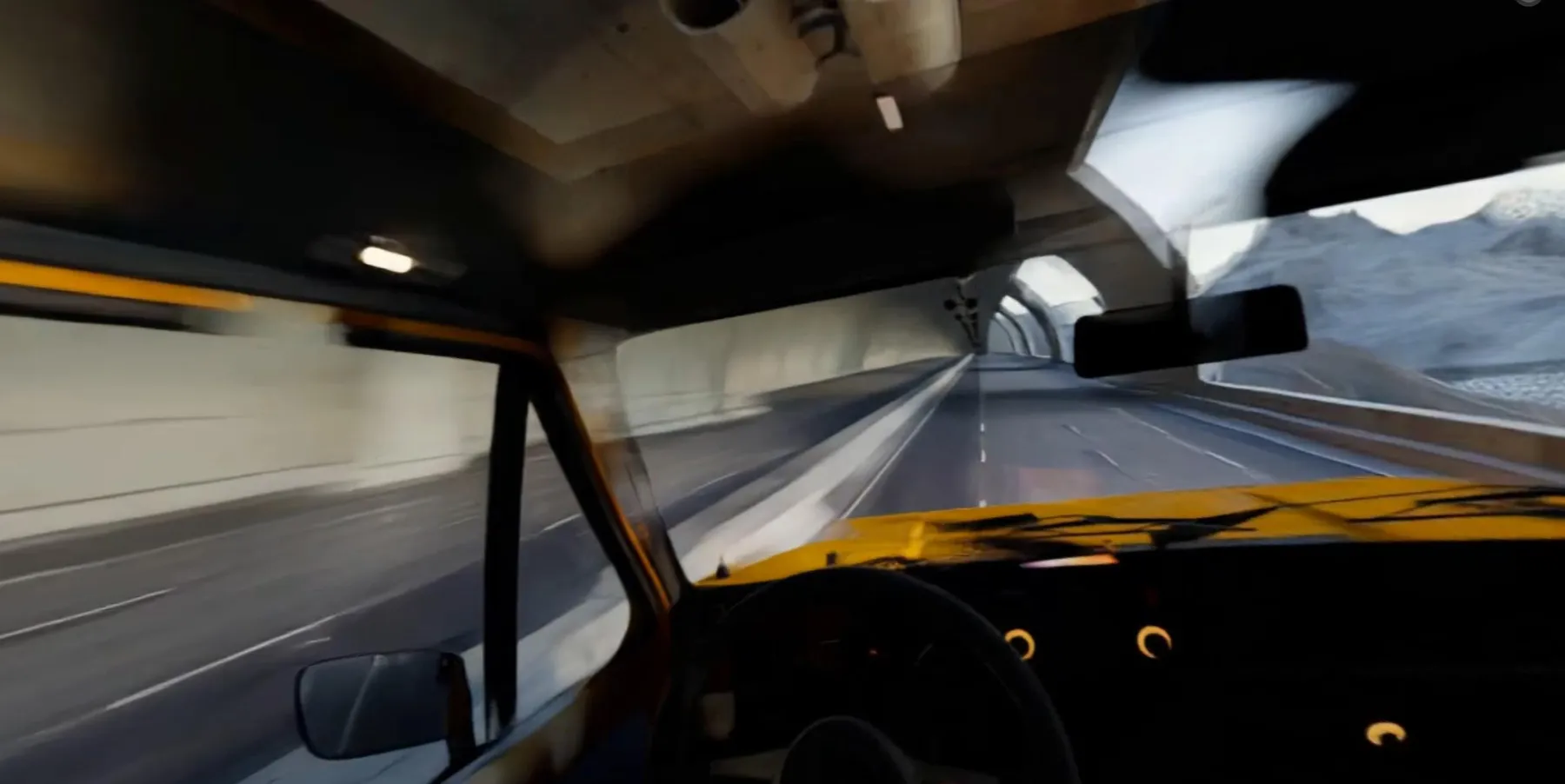
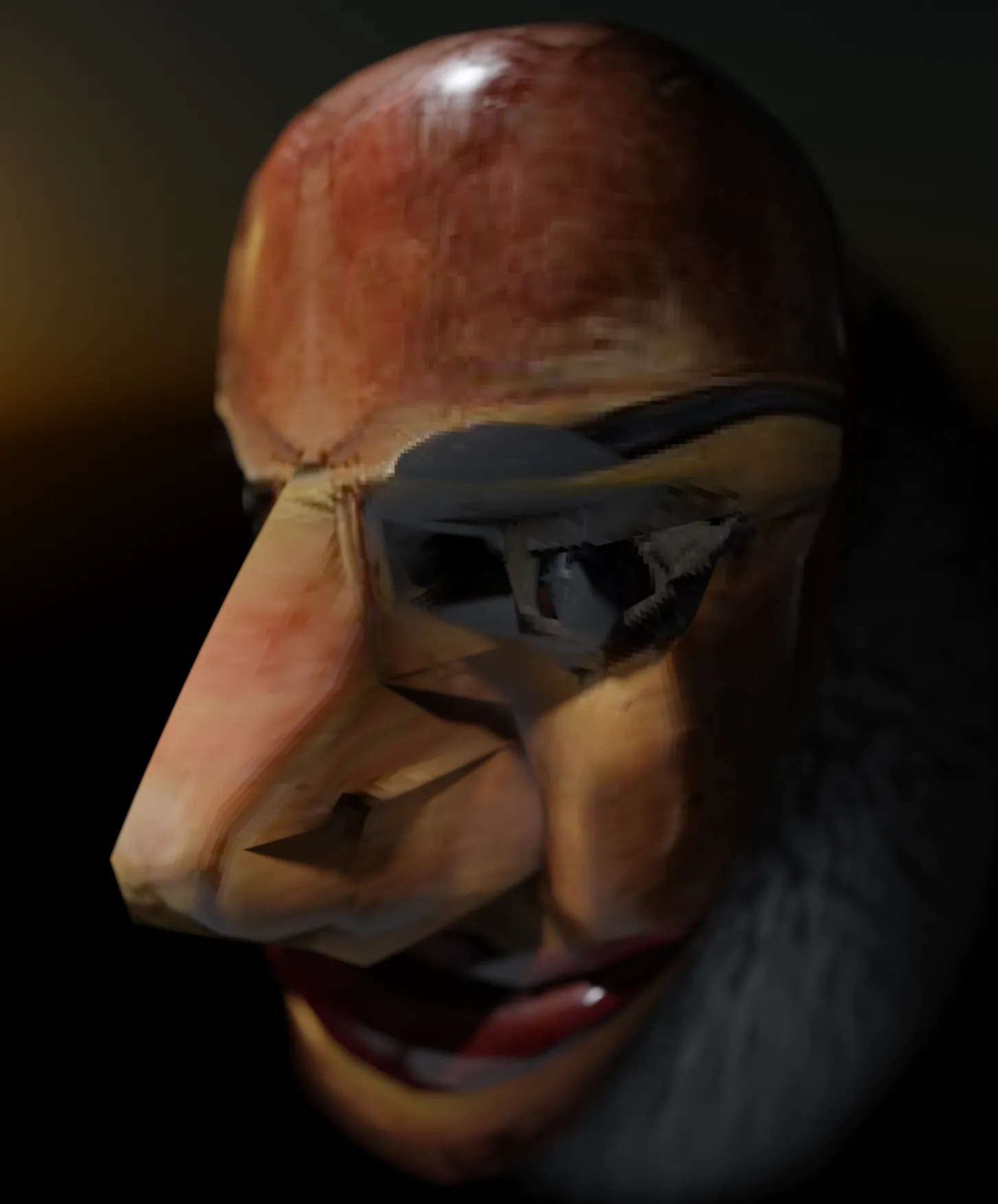
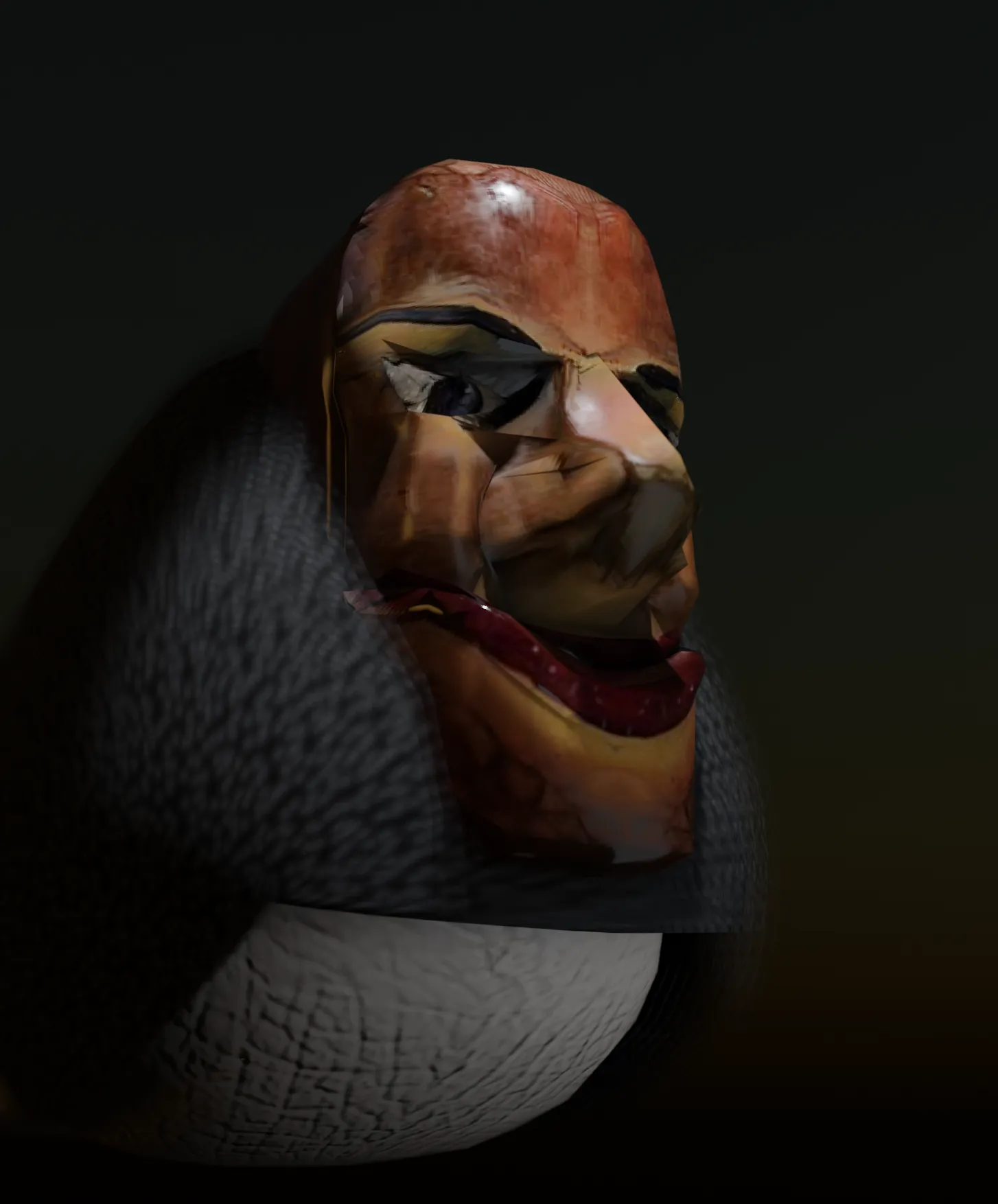
Corporate Deities is about a future in which CEOs of megacorporations live forever in tailor-made artificial bodies, full of state-of-the-art cybernetics. Quasi omnipresent, omniscient and omnipotent within their domain, they like to think of themselves as akin to the mythological gods of old, their bodies incarnations, avatars, of their will and power.
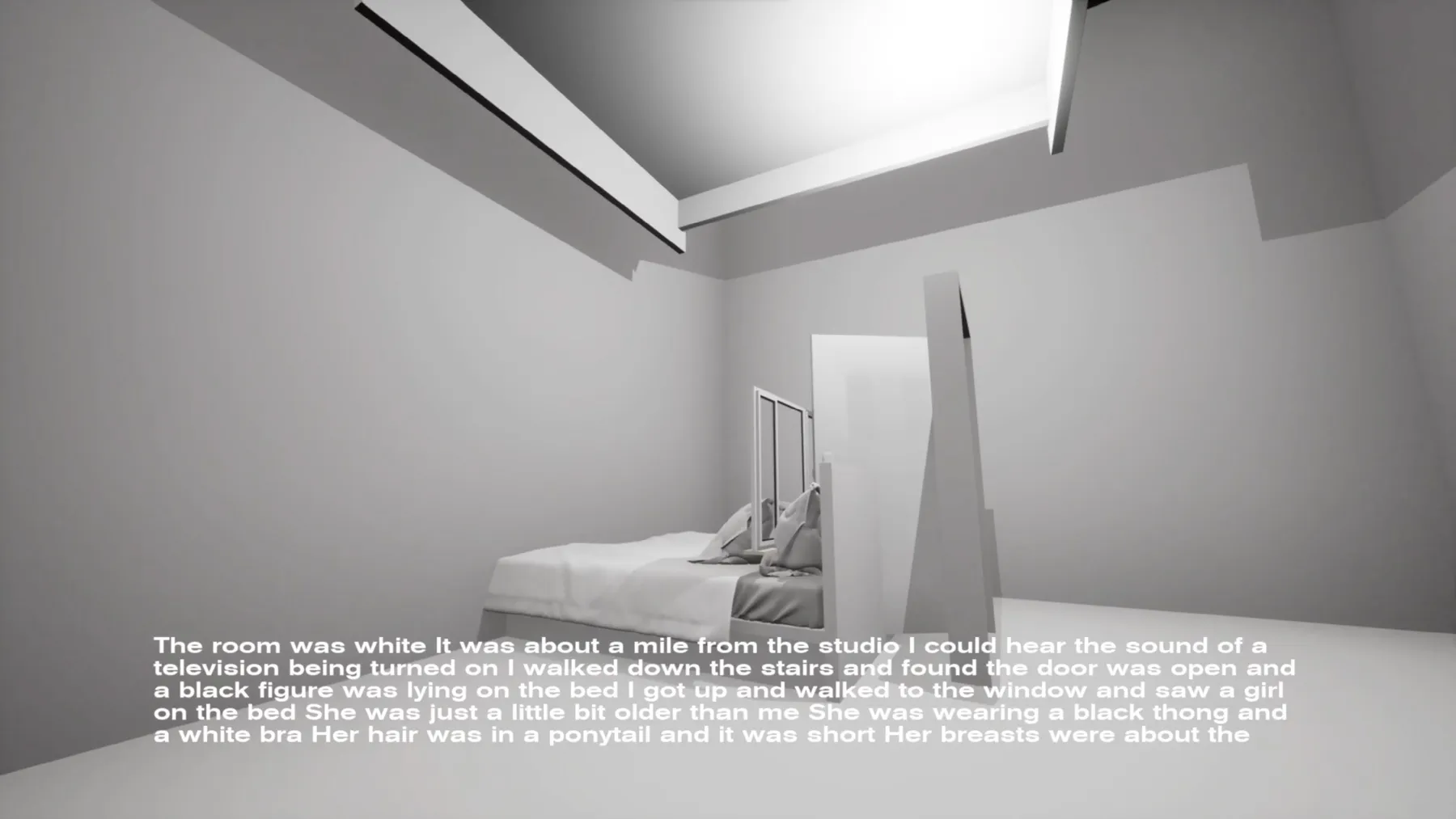
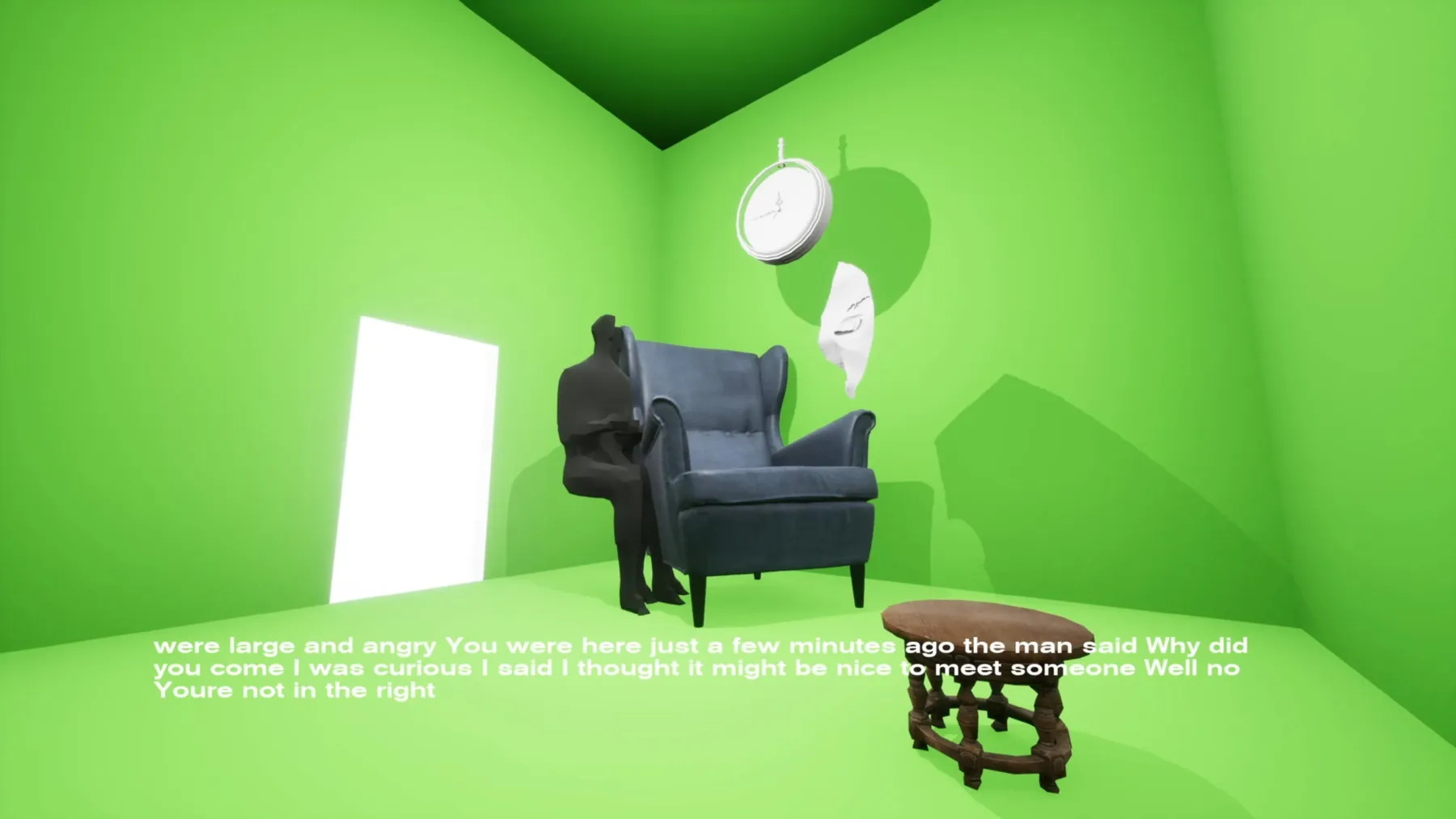
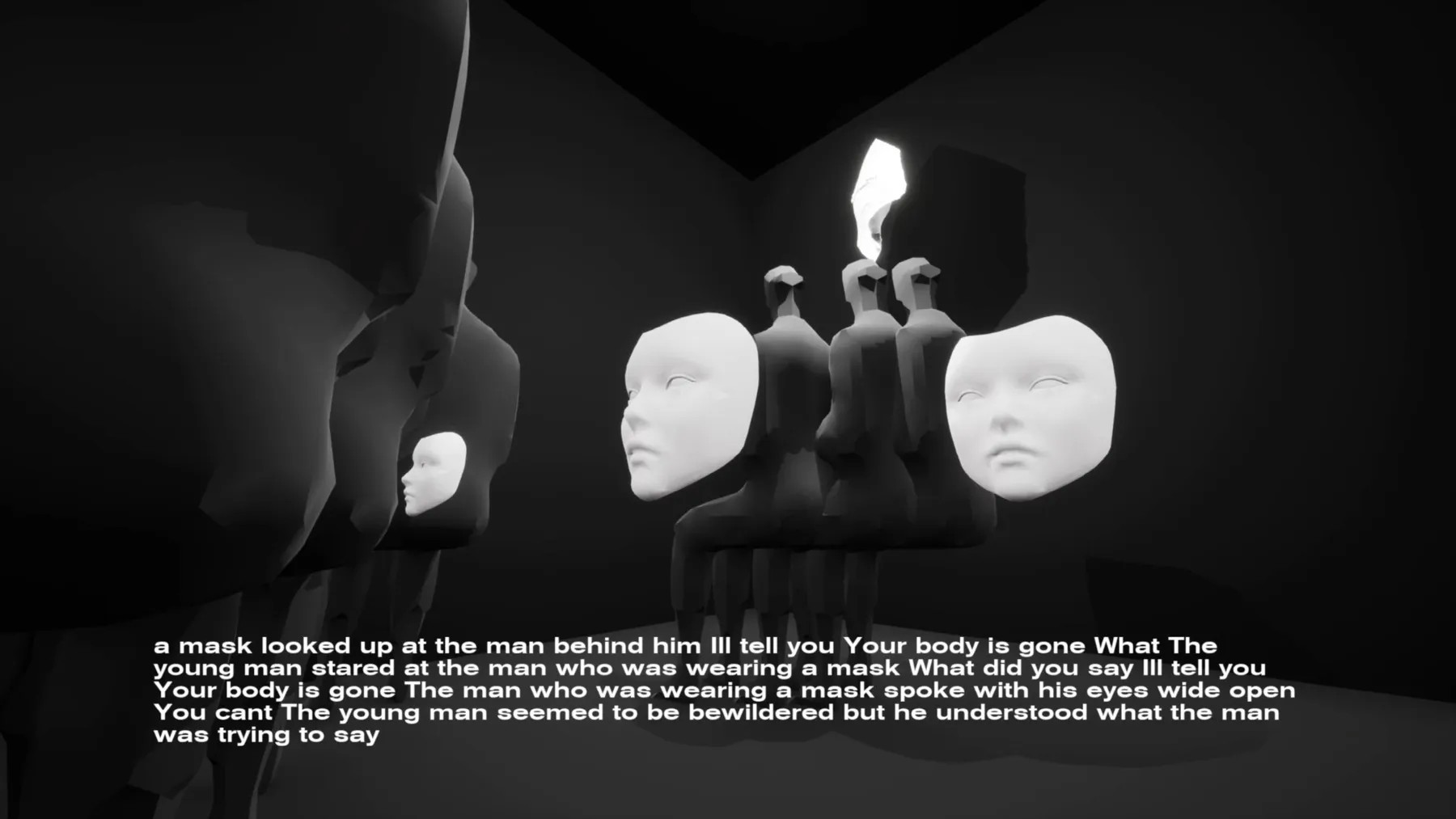
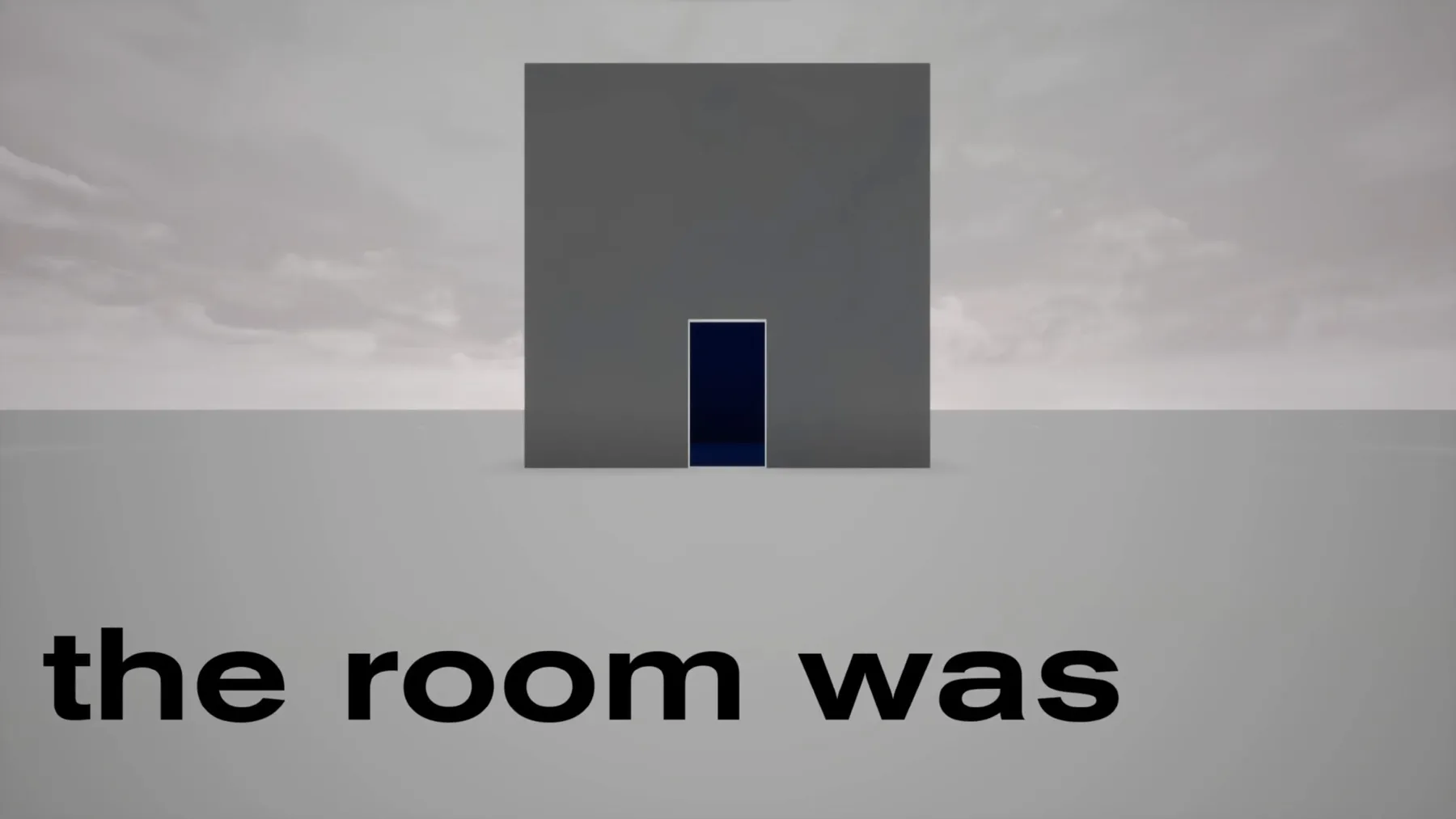
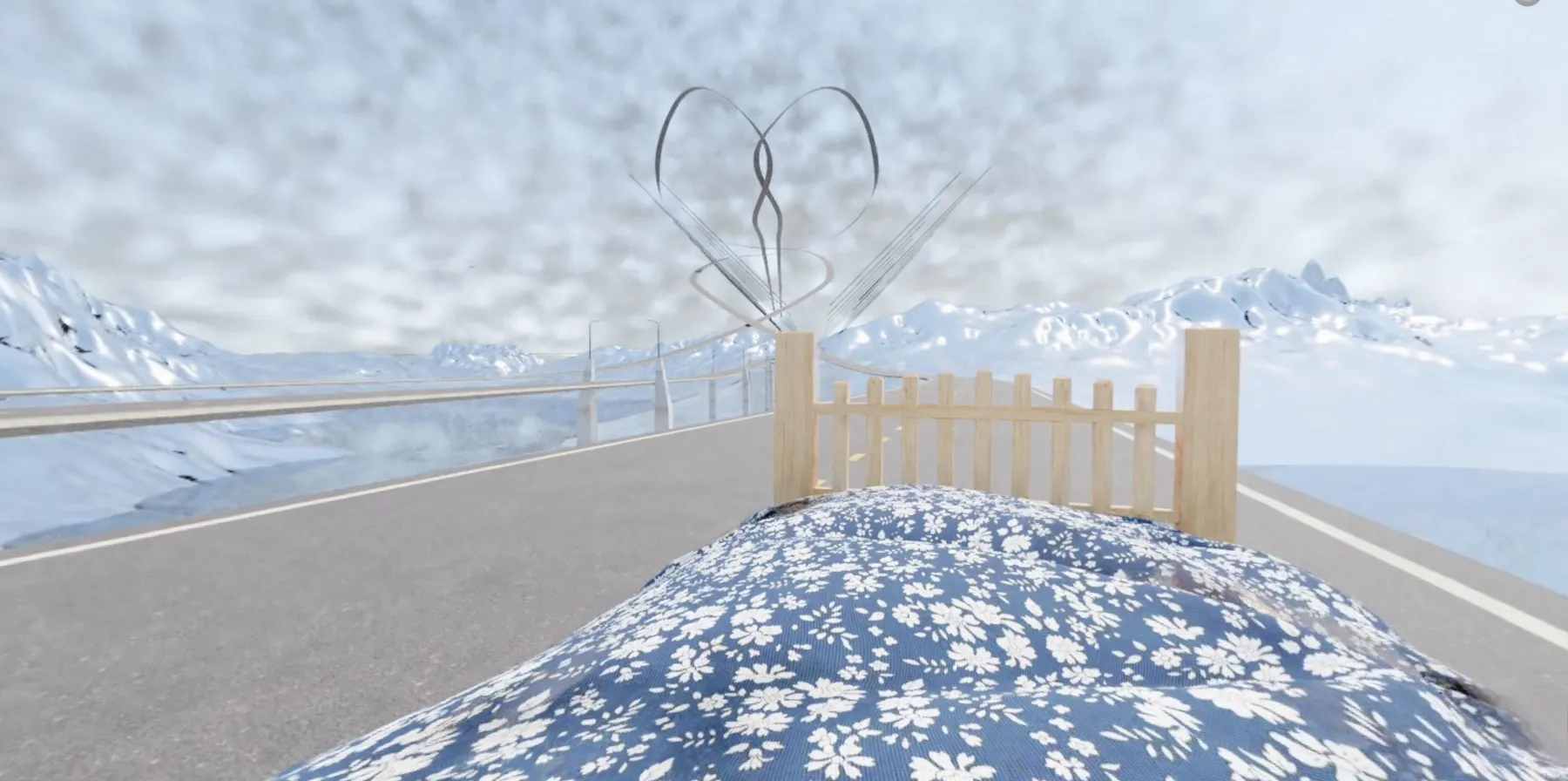
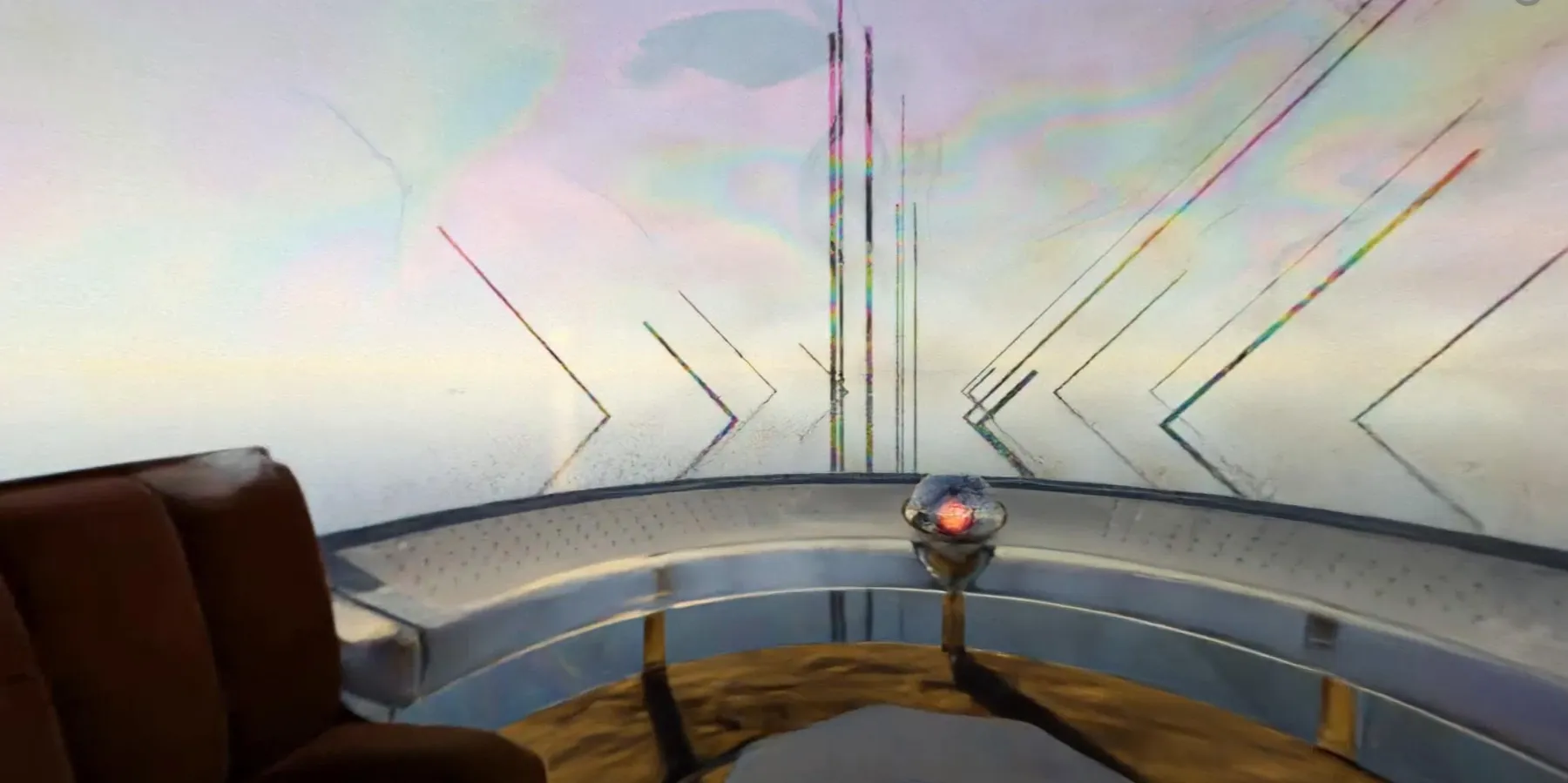
Prompts beginning with “the room was [color]” are given to the GPT-2 neural network, which creates descriptions of these rooms.
These descriptions are then materialized with the help of 3D models in Unreal Engine 4, where sentences are read word by word and models are spawned if certain words are detected.
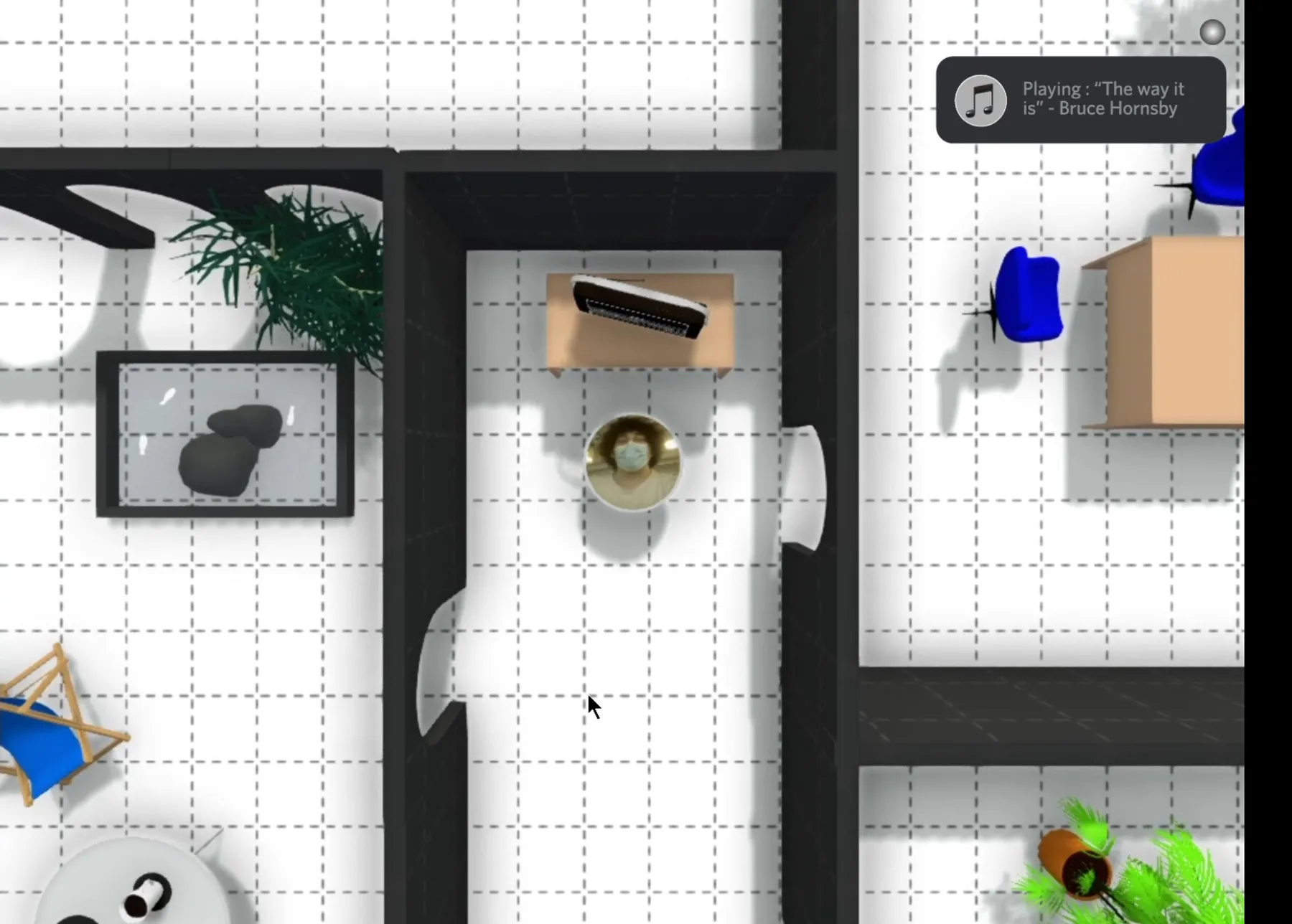
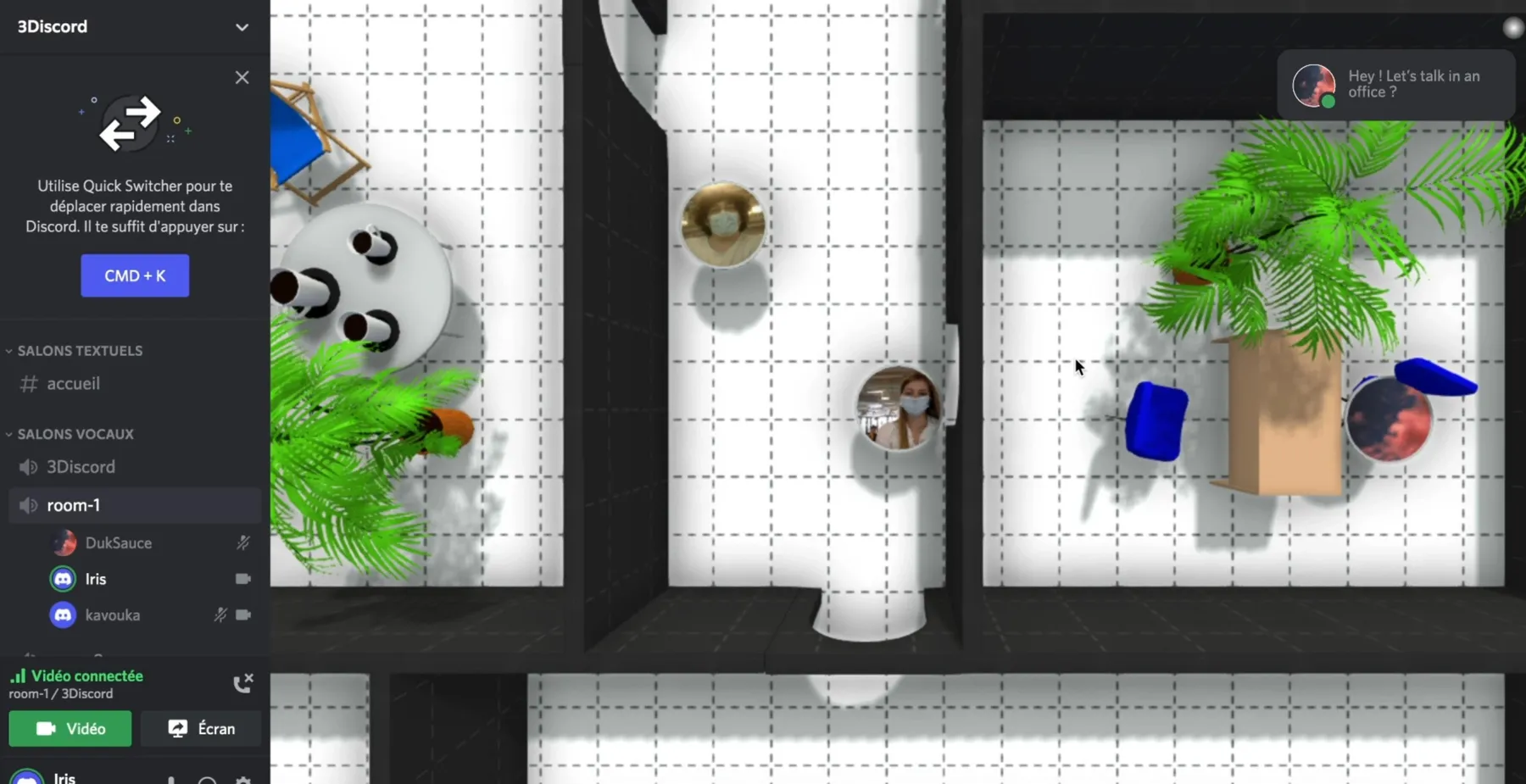
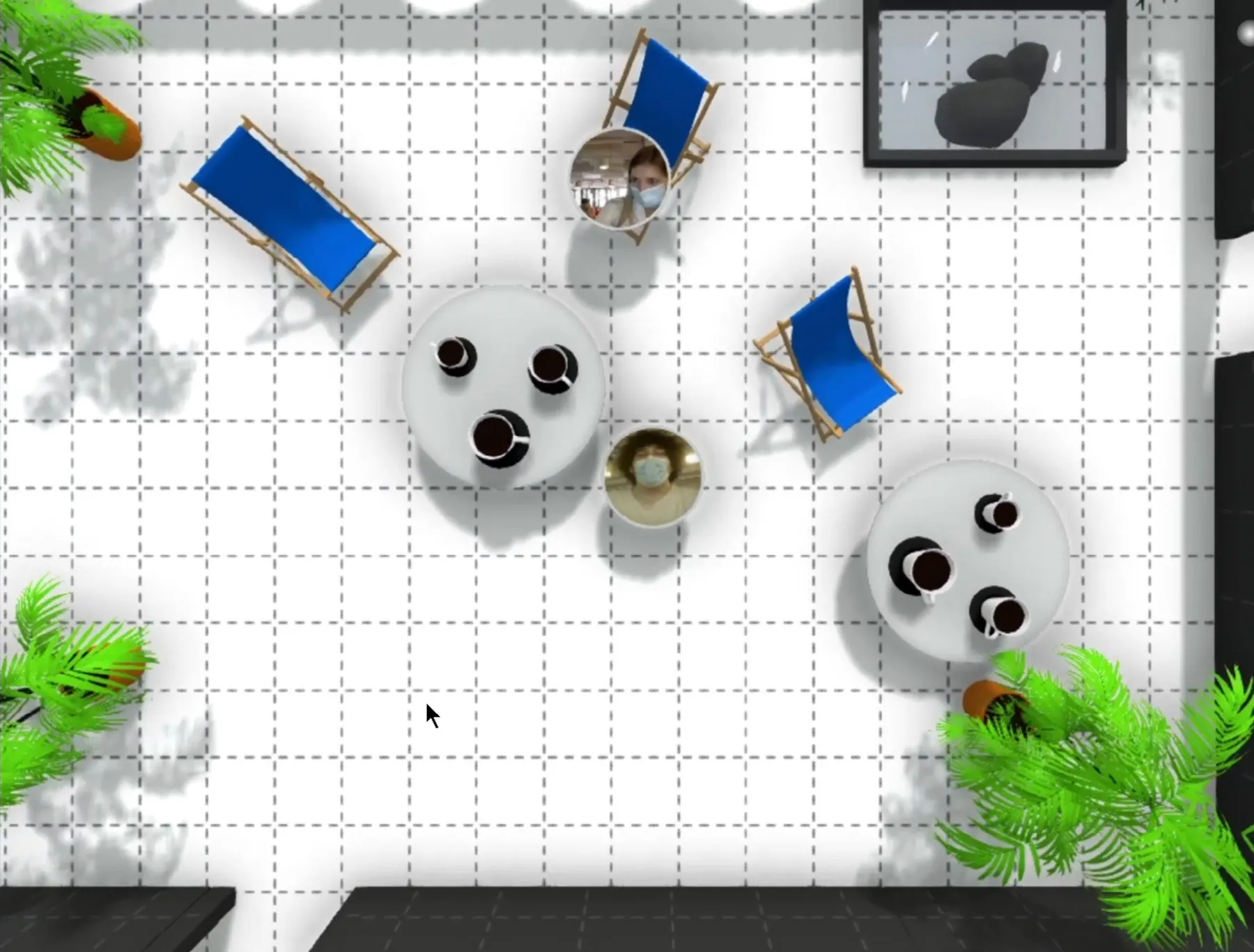
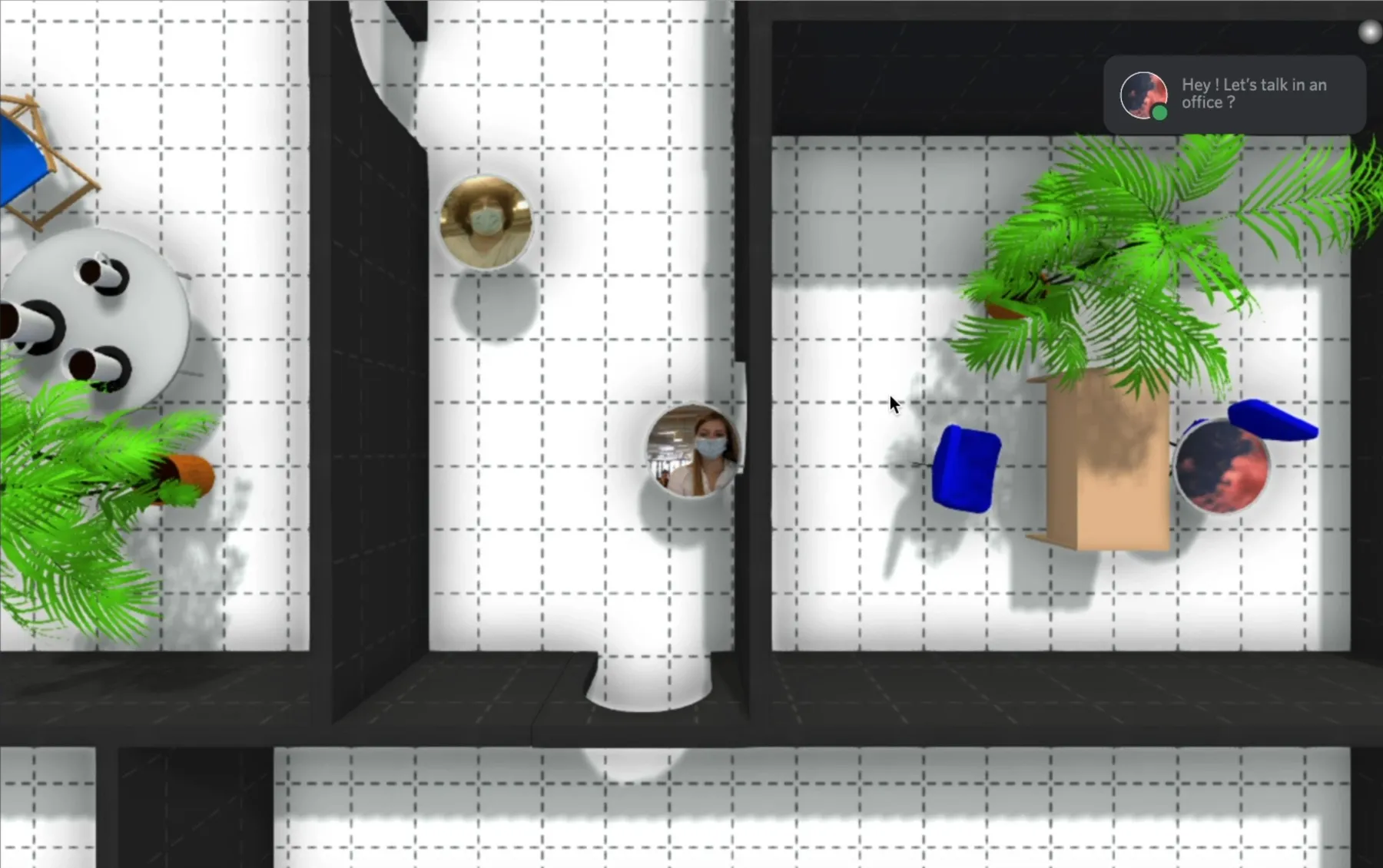
3Discord is a Chrome extension that extends the chatting platform Discord into a 3D space.
This project was designed as an answer to the restrictions imposed by the COVID-19 pandemic.
Chat with people in a 3D environment which you can customize with your team.
Proximity-based voice chat allows you to hear people who are close to you, recreating the feeling of being together in a physical space.
Use the radio to broadcast music, or the screen to watch videos together. Take a minute for yourself in the break room, or get into a private conversation in an office.
Made during a course led by Christophe Guignard, écal
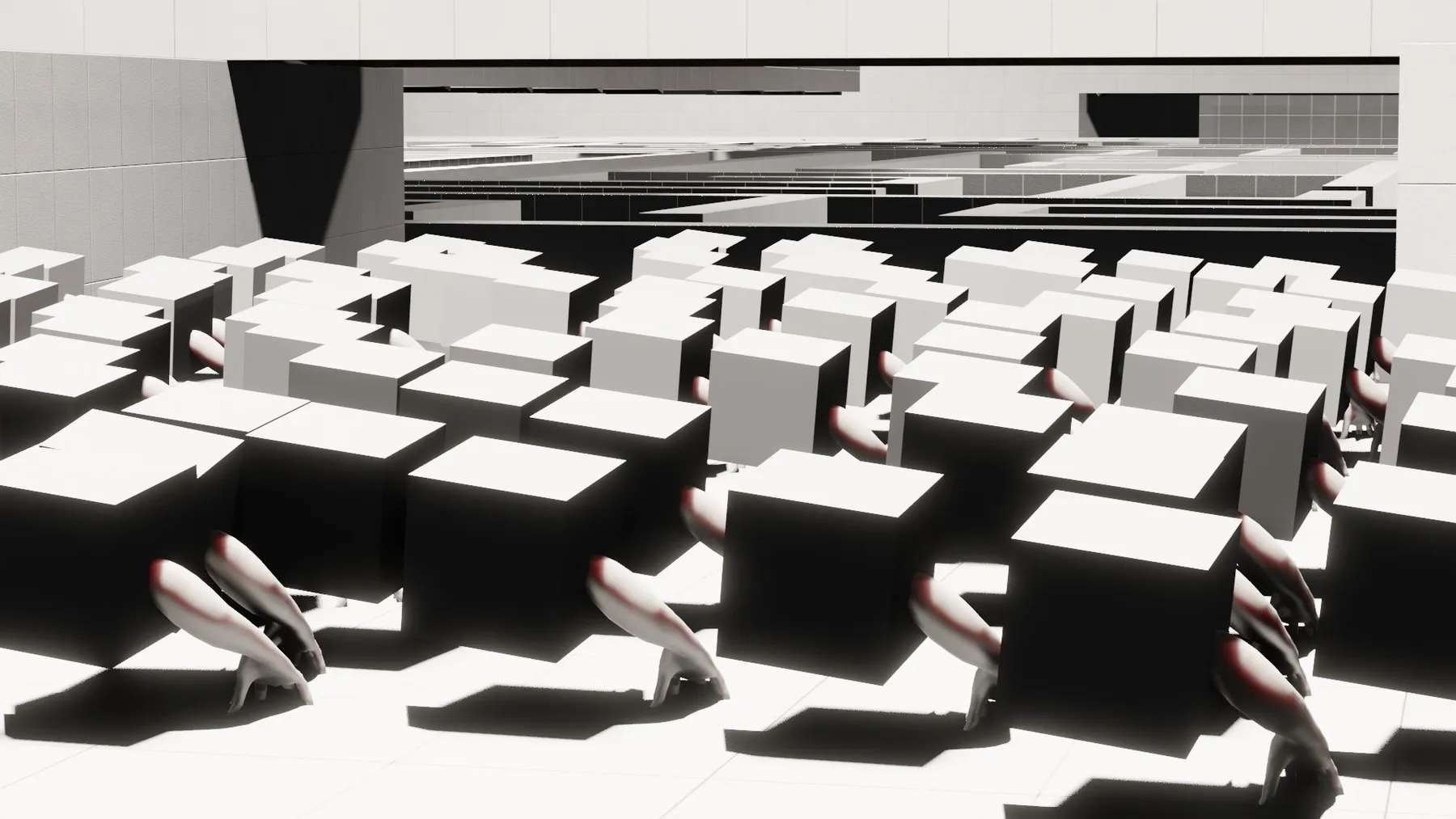
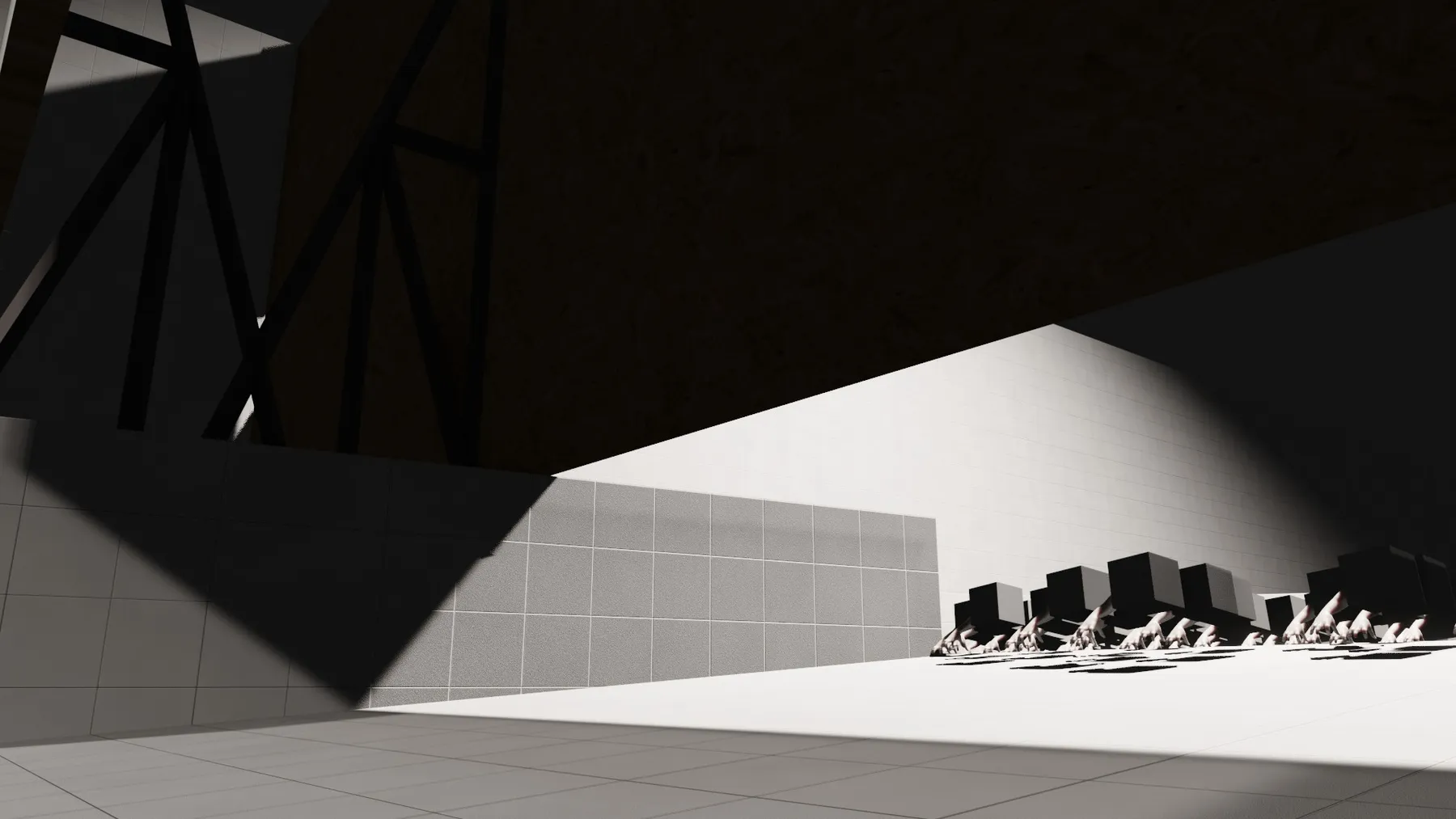
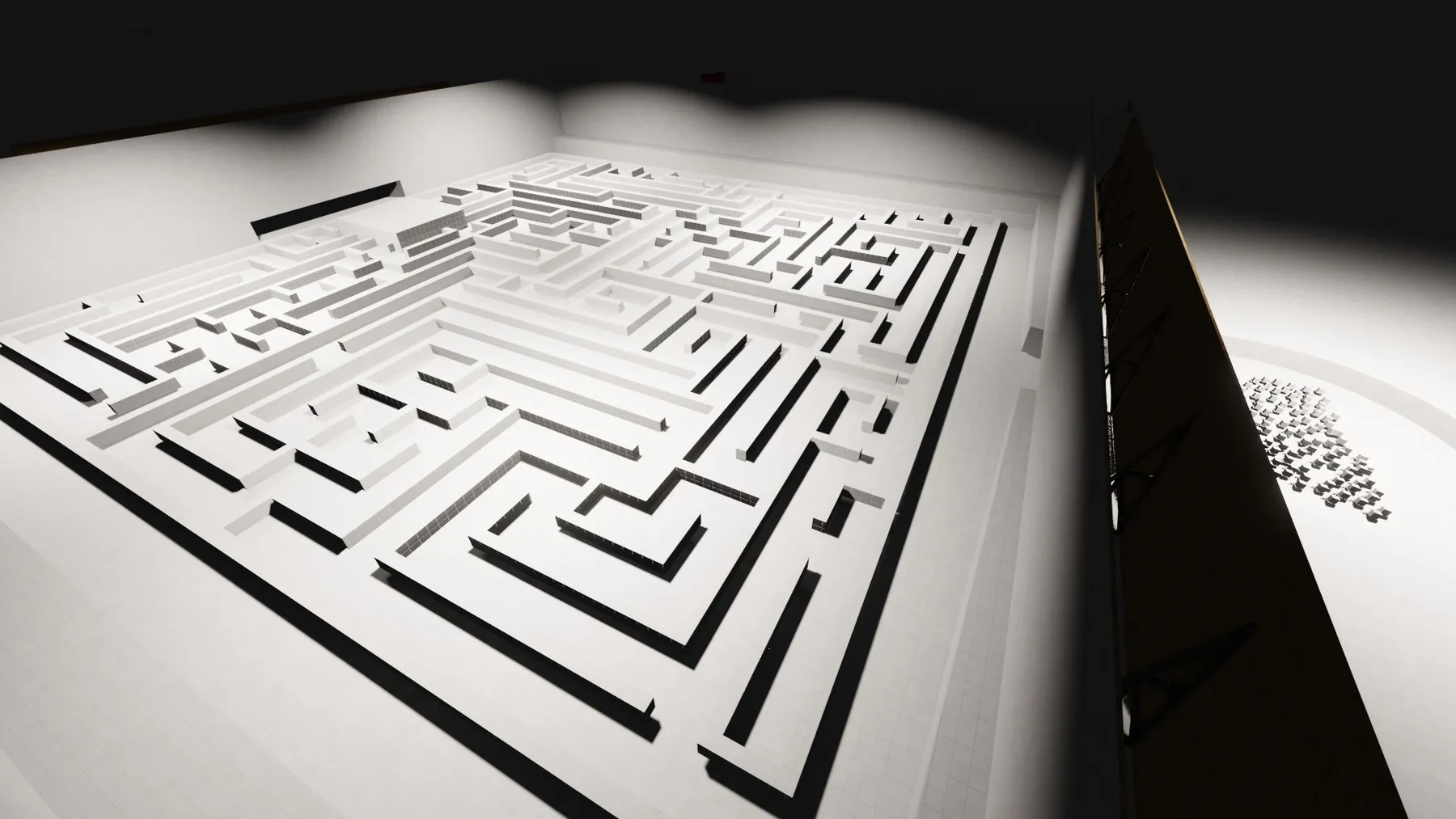
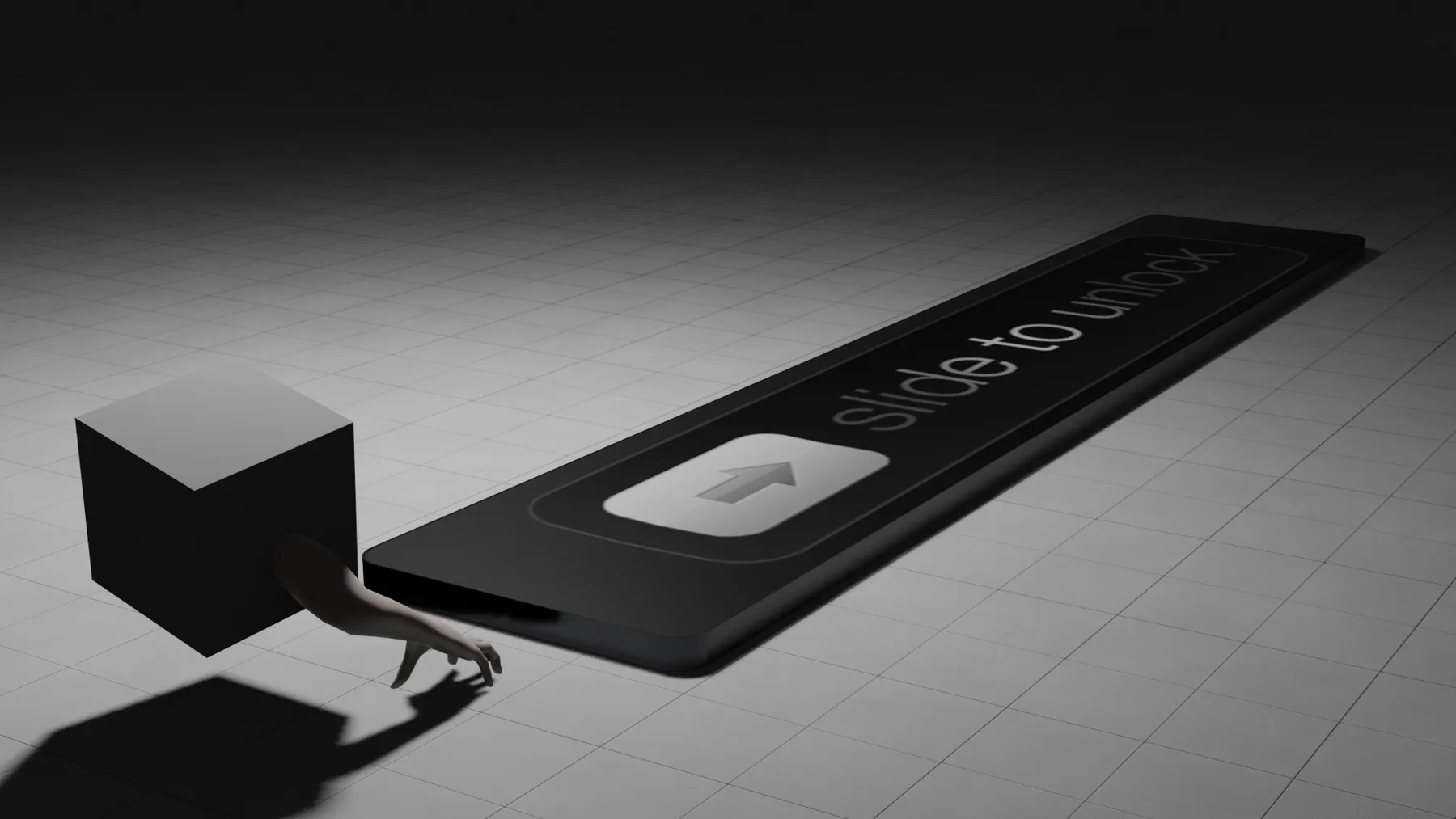
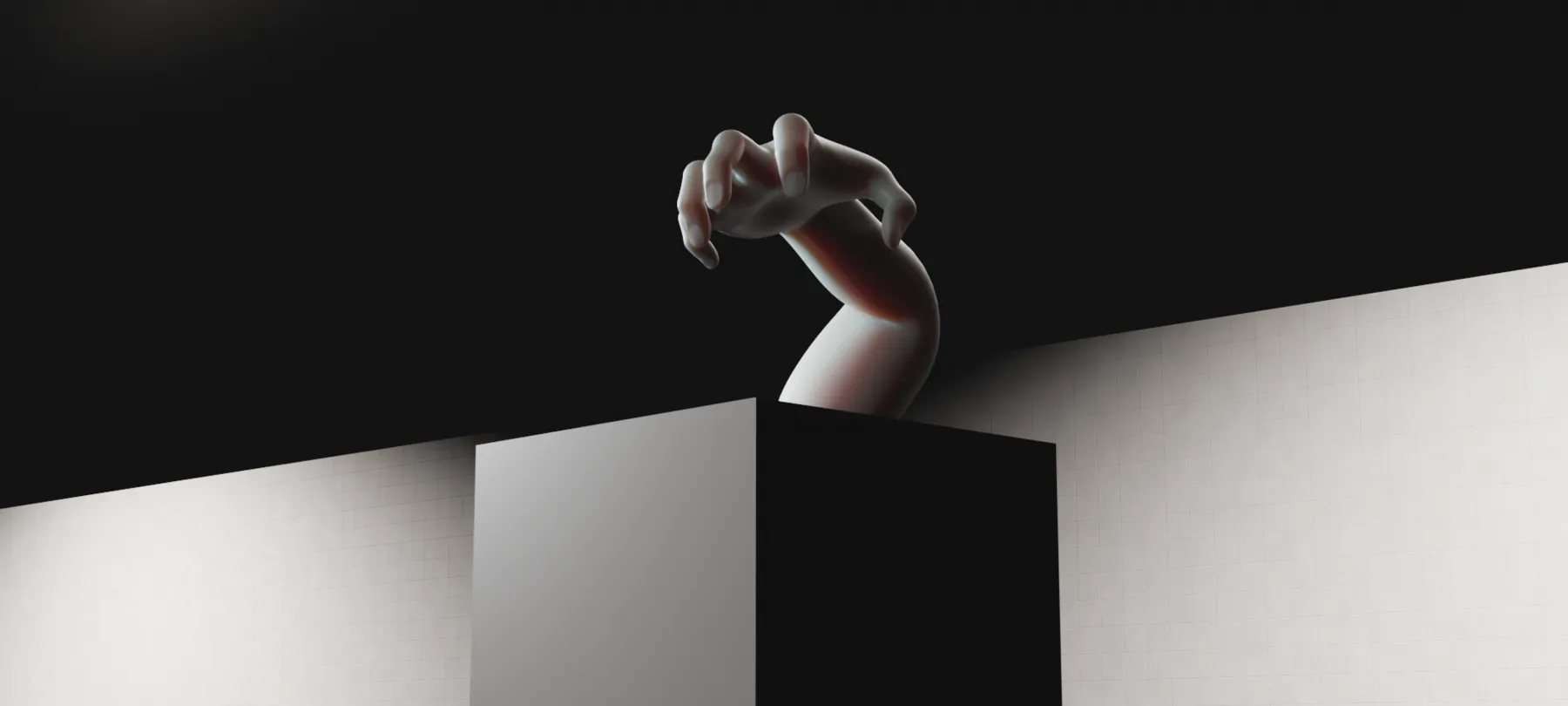
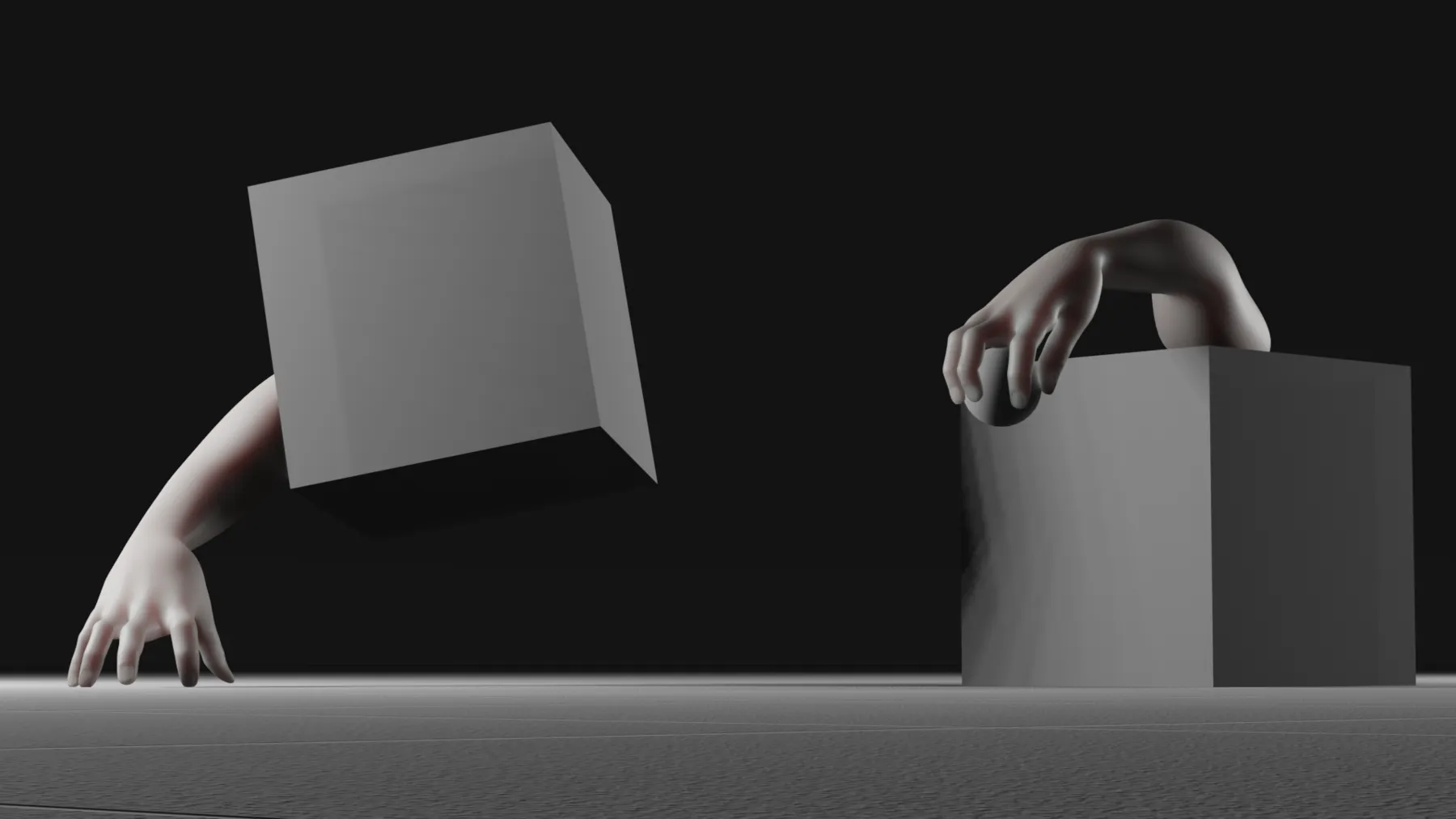
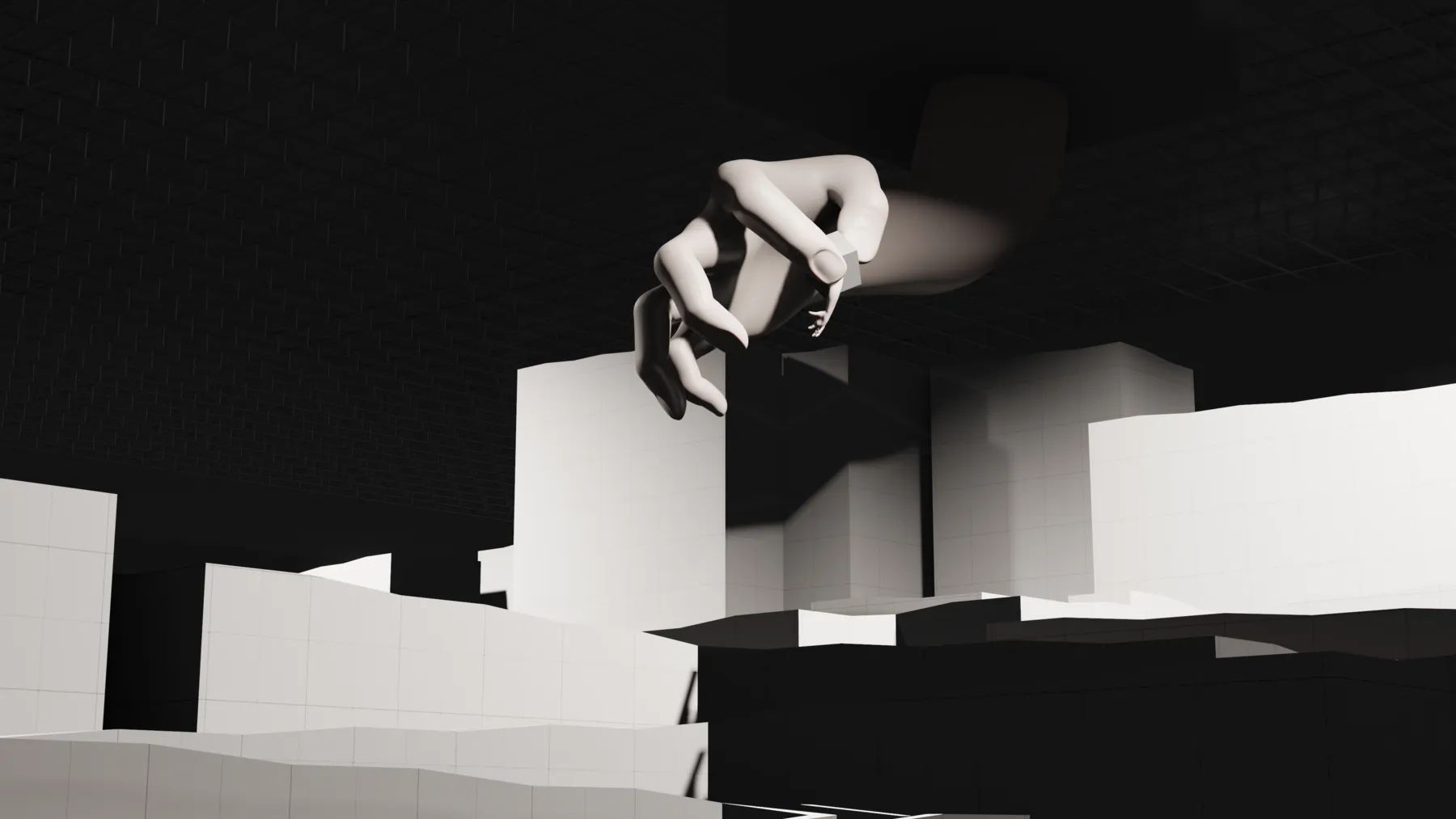
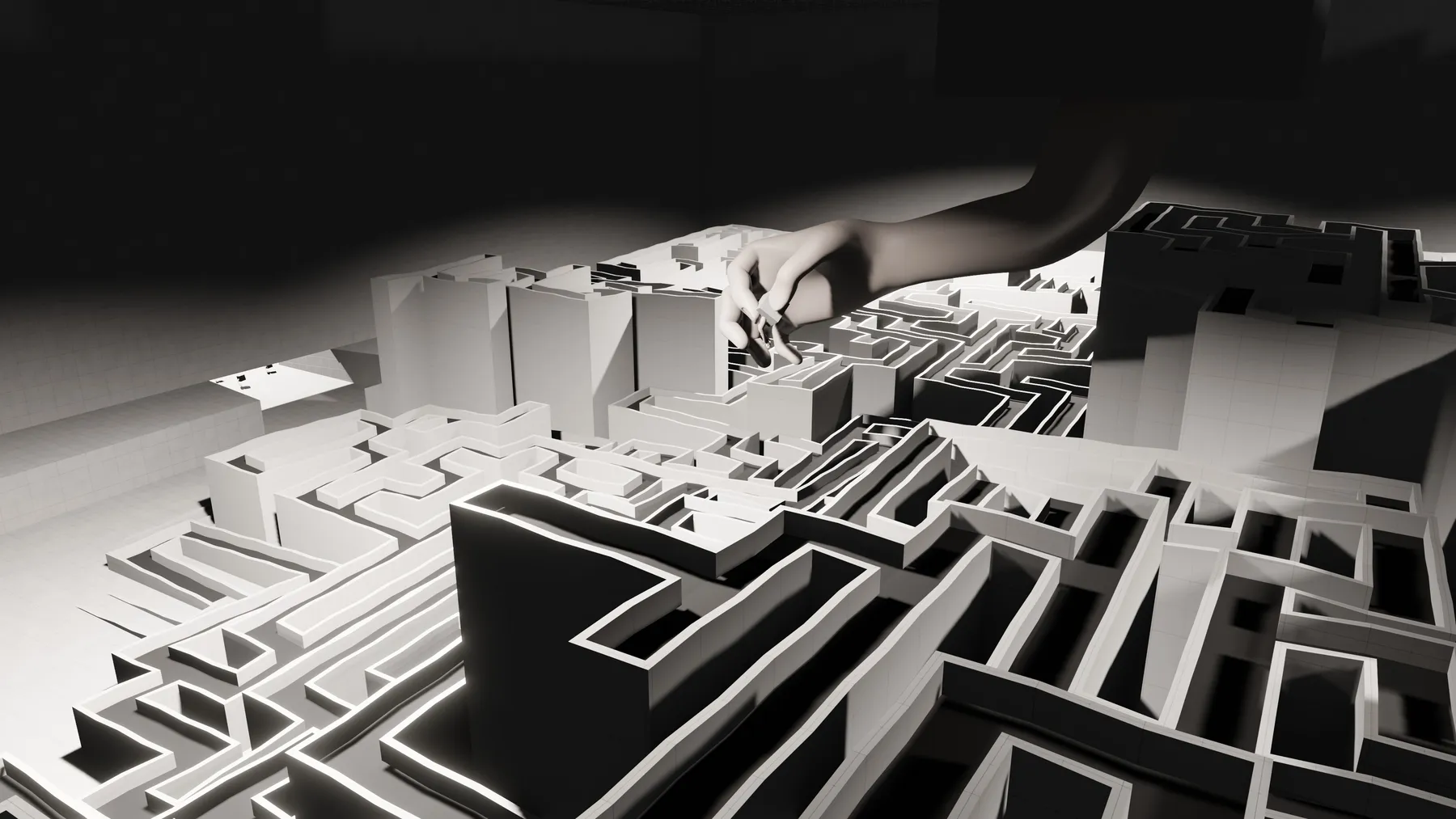
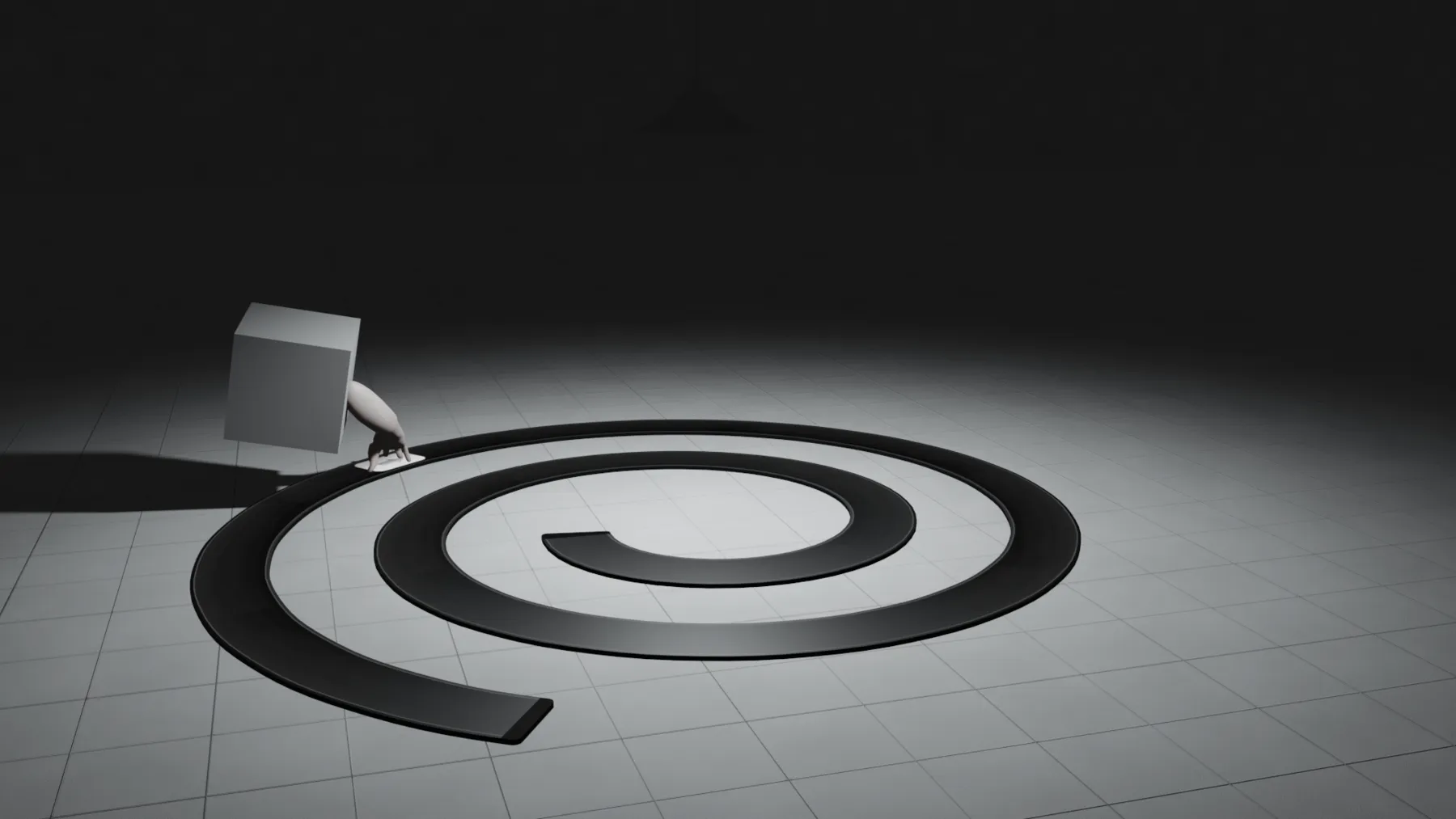
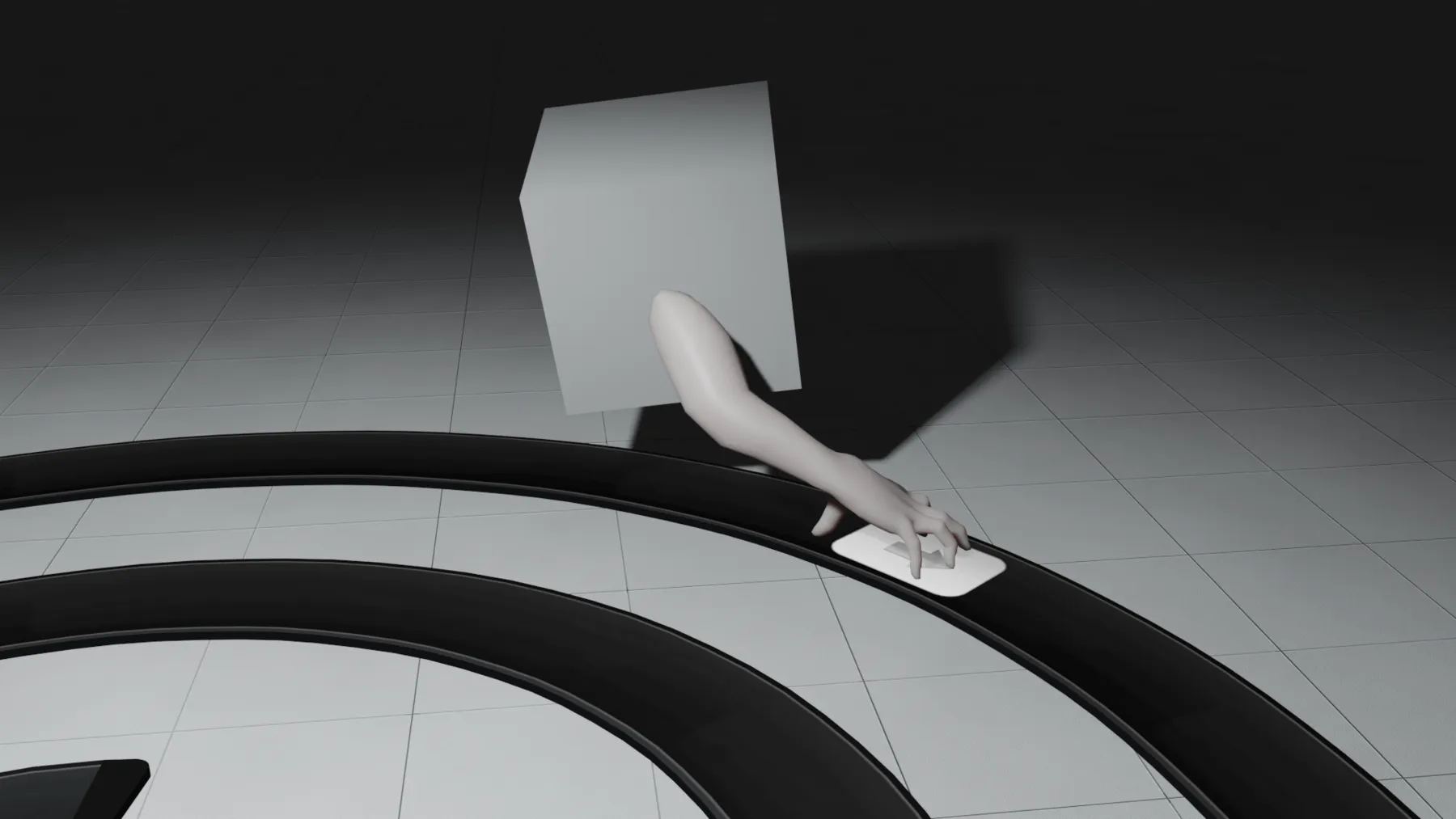
Handlings is an experience in which you, a disembodied arm with a cube where a hermit crab would have a shell, must try to escape from a facility in which you are held captive alongside hundreds of your peers.
Solve mazes and puzzles to escape, and maybe see the light of day again.
Exhibited at the Musée de la Main, Lausanne, in 2022.
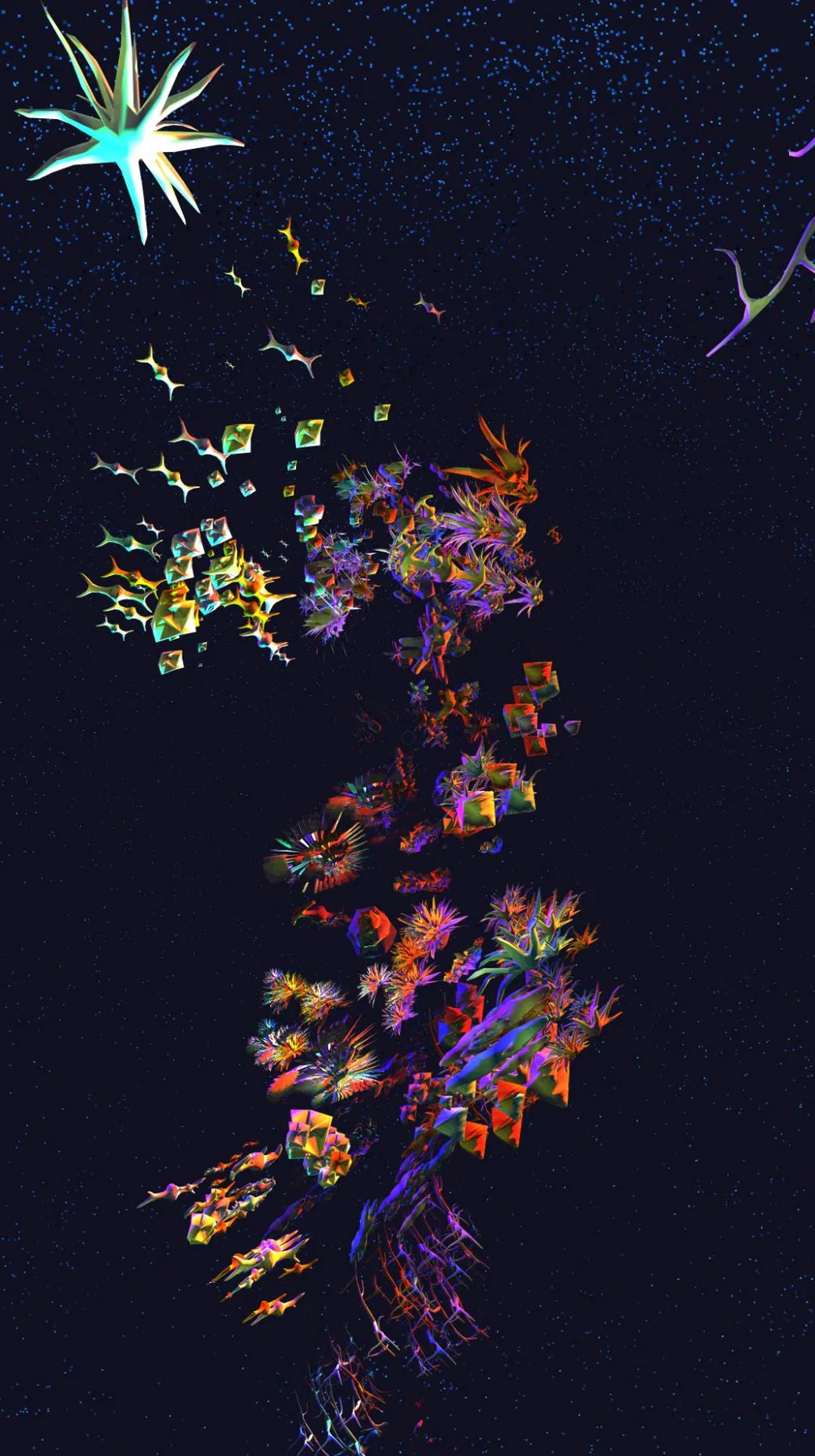
Abyssal Reflection is an installation where visitors are invited to play with their reflection and to think about their gestures in an abstract way as seashells and microorganisms compose and orbit around their body.
This installation was built in the browser, using Google's MediaPipe body tracking solution, as well as a Rust-powered Boid simulation integrated using WebAssembly. The visuals were created using Three.js and GLSL shaders.
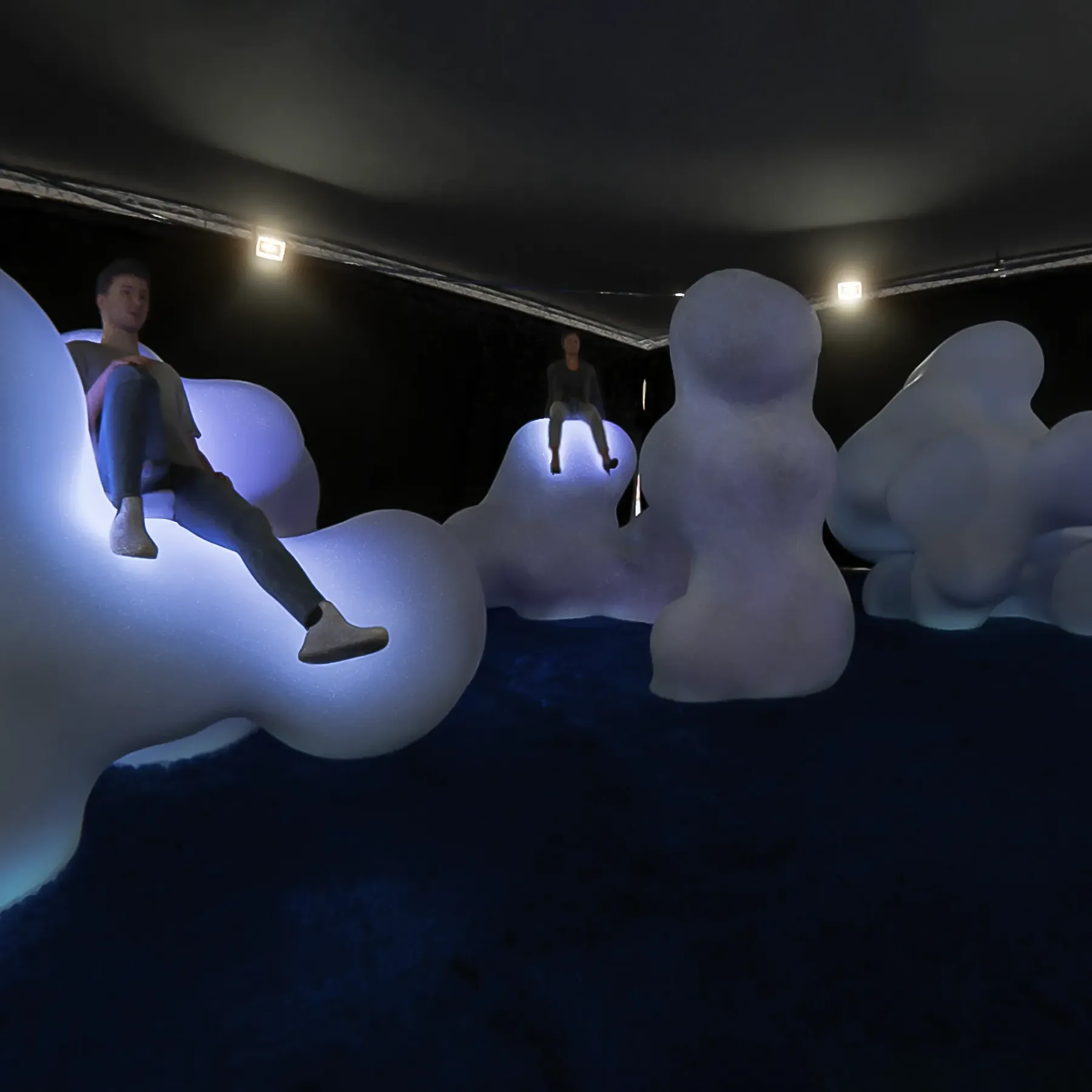
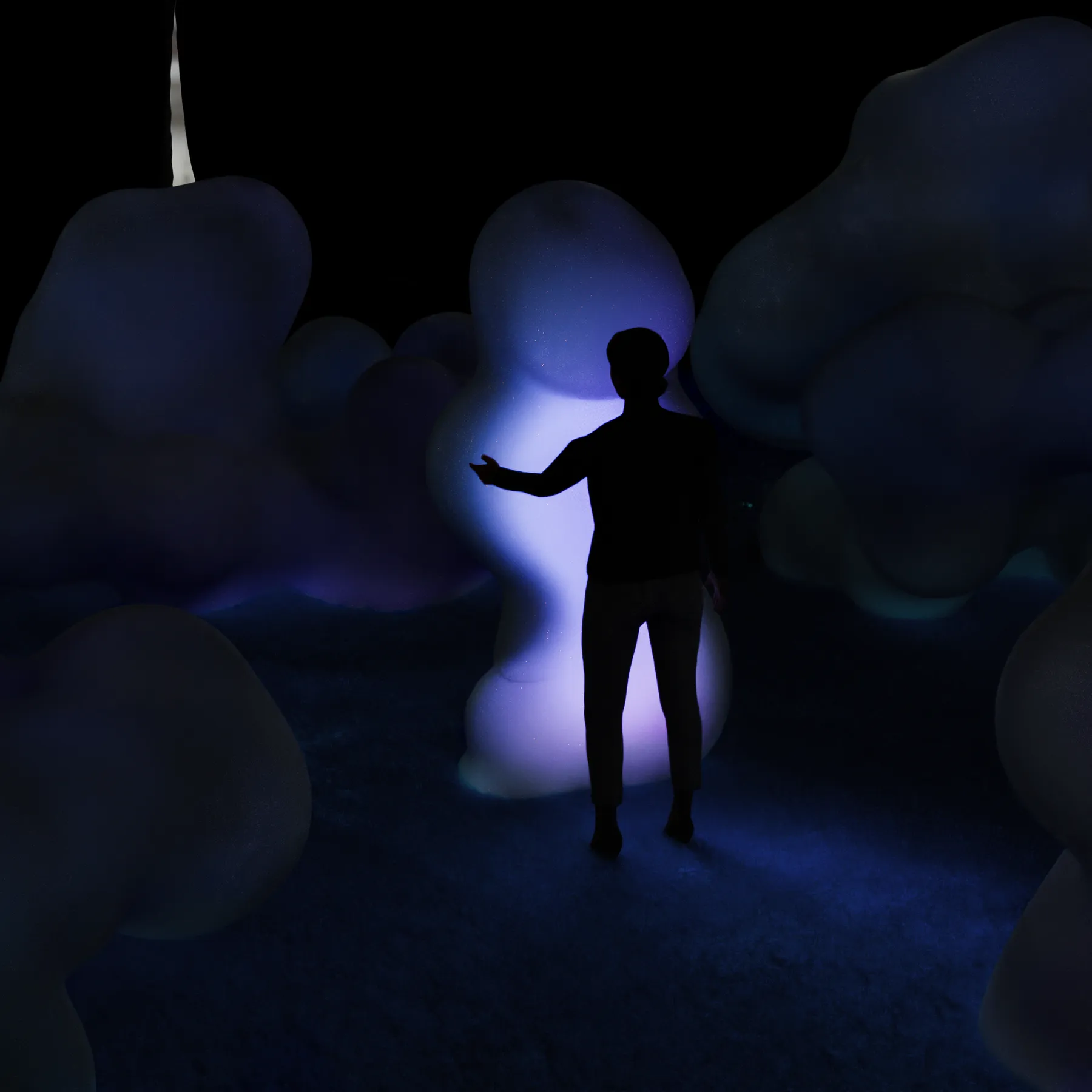
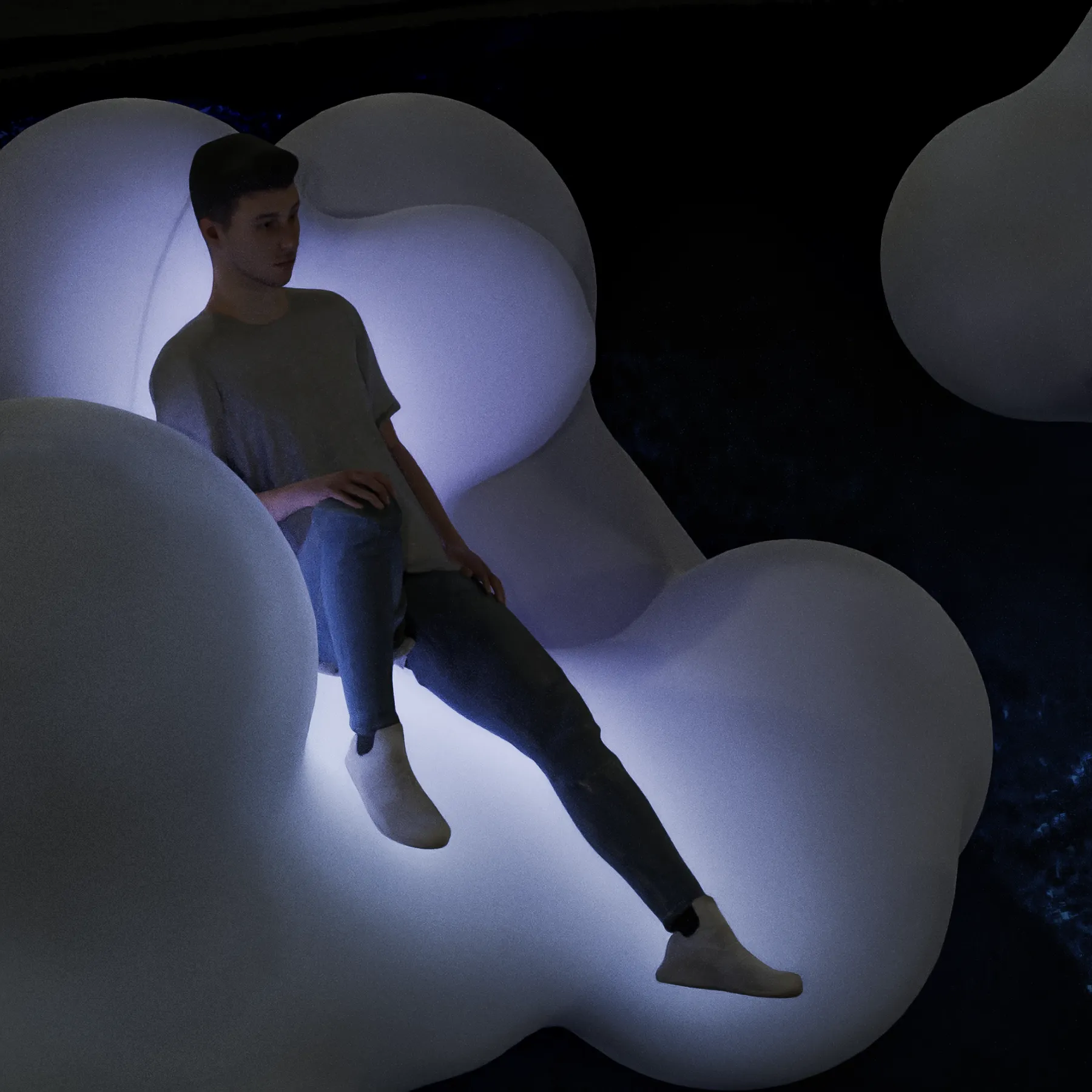
Cloudfield is a fictional installation, conceptualized during a workshop entitled "Fake it until you make it", in which, limited by the constraints of the COVID-19 lockdown, we were asked to create a fictional interactive installation using 3D renders. The installation is a field of luminescent clouds, under the surface of which sit a series of capacitive sensors. When approached, the clouds react to the user's presence by self-illuminating. The installation is meant to be a meditative space, where visitors can interact with the clouds and observe their behavior.
Made during a course led by Mario von Rickenbach, écal
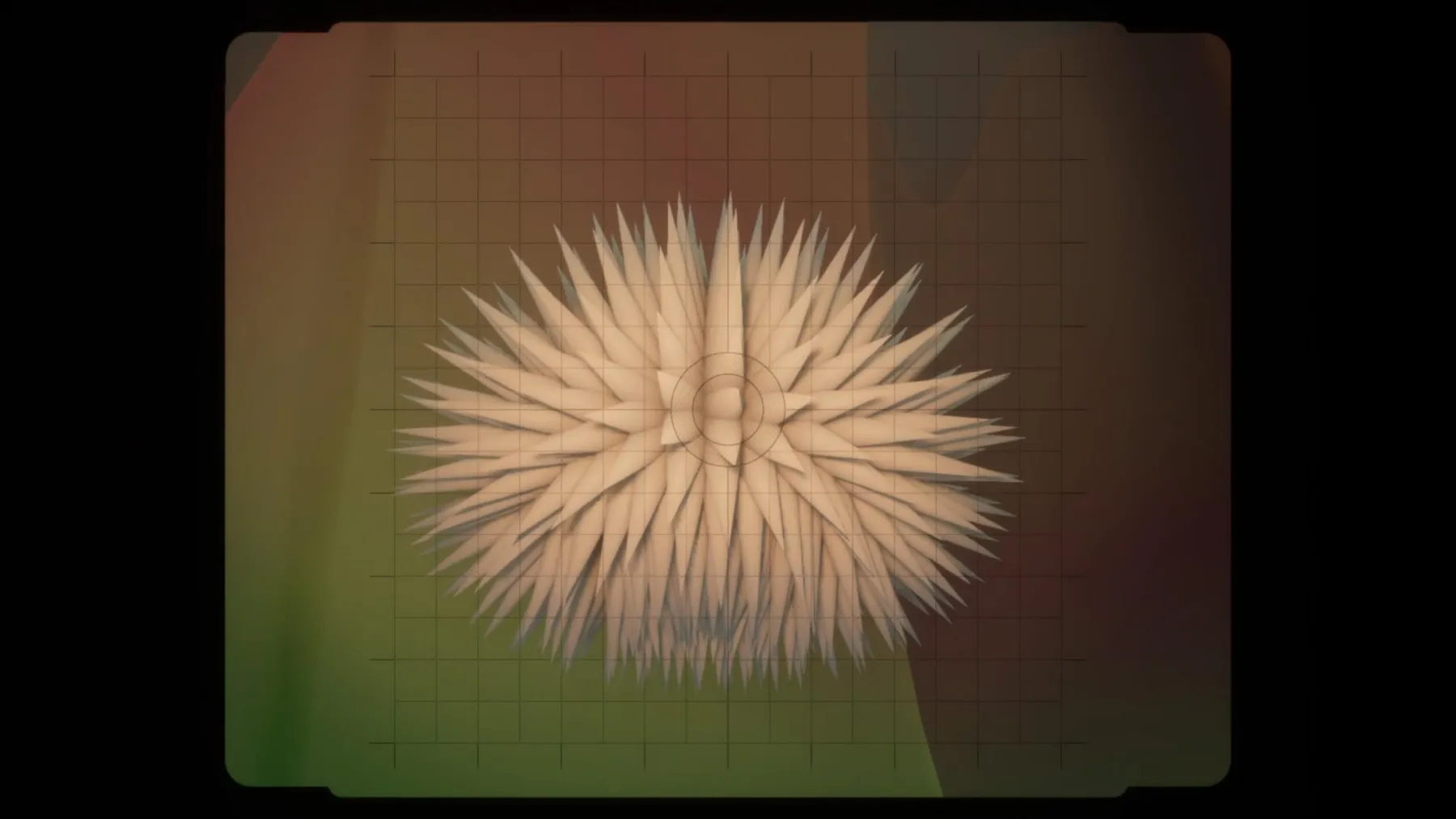
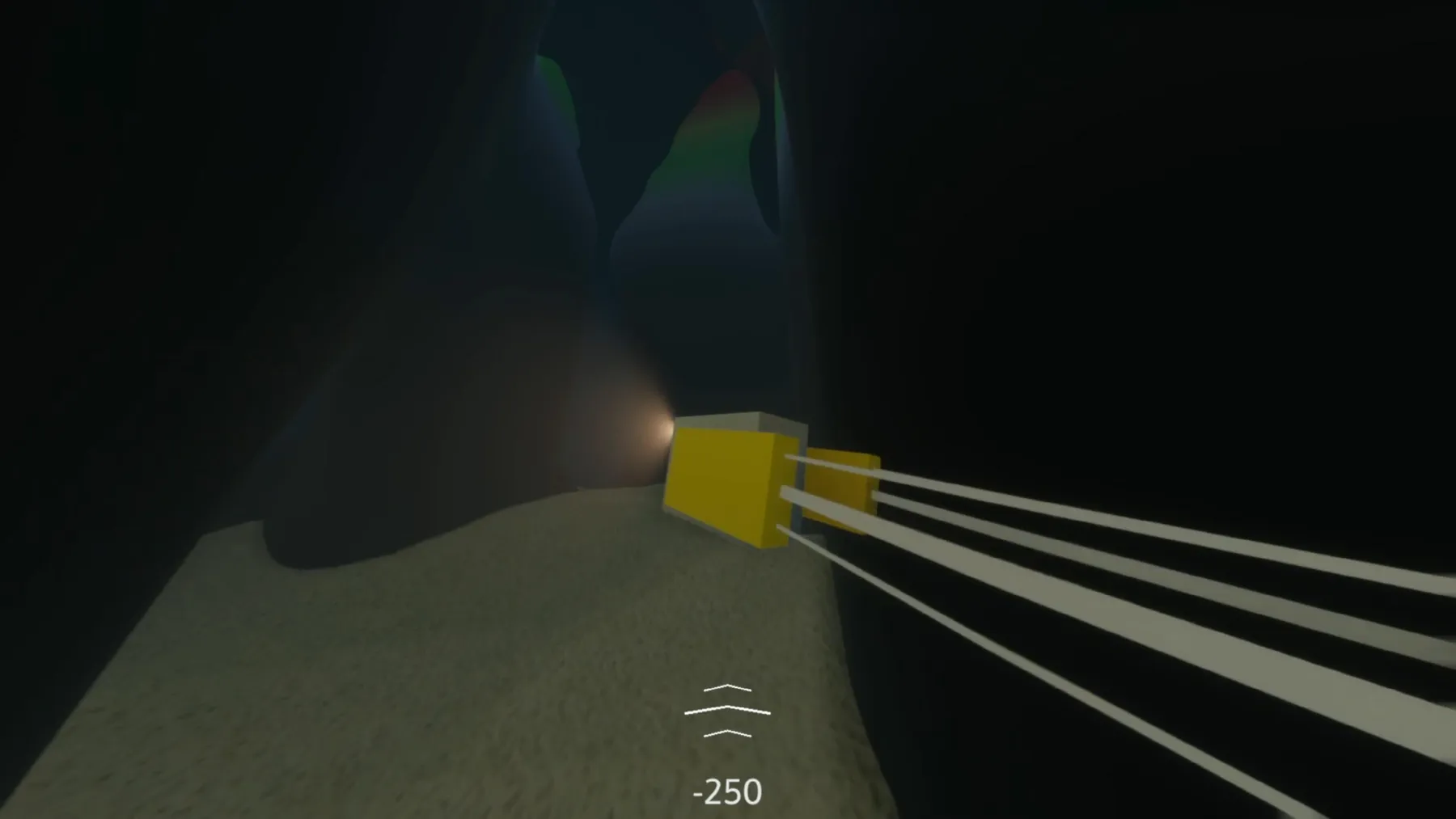
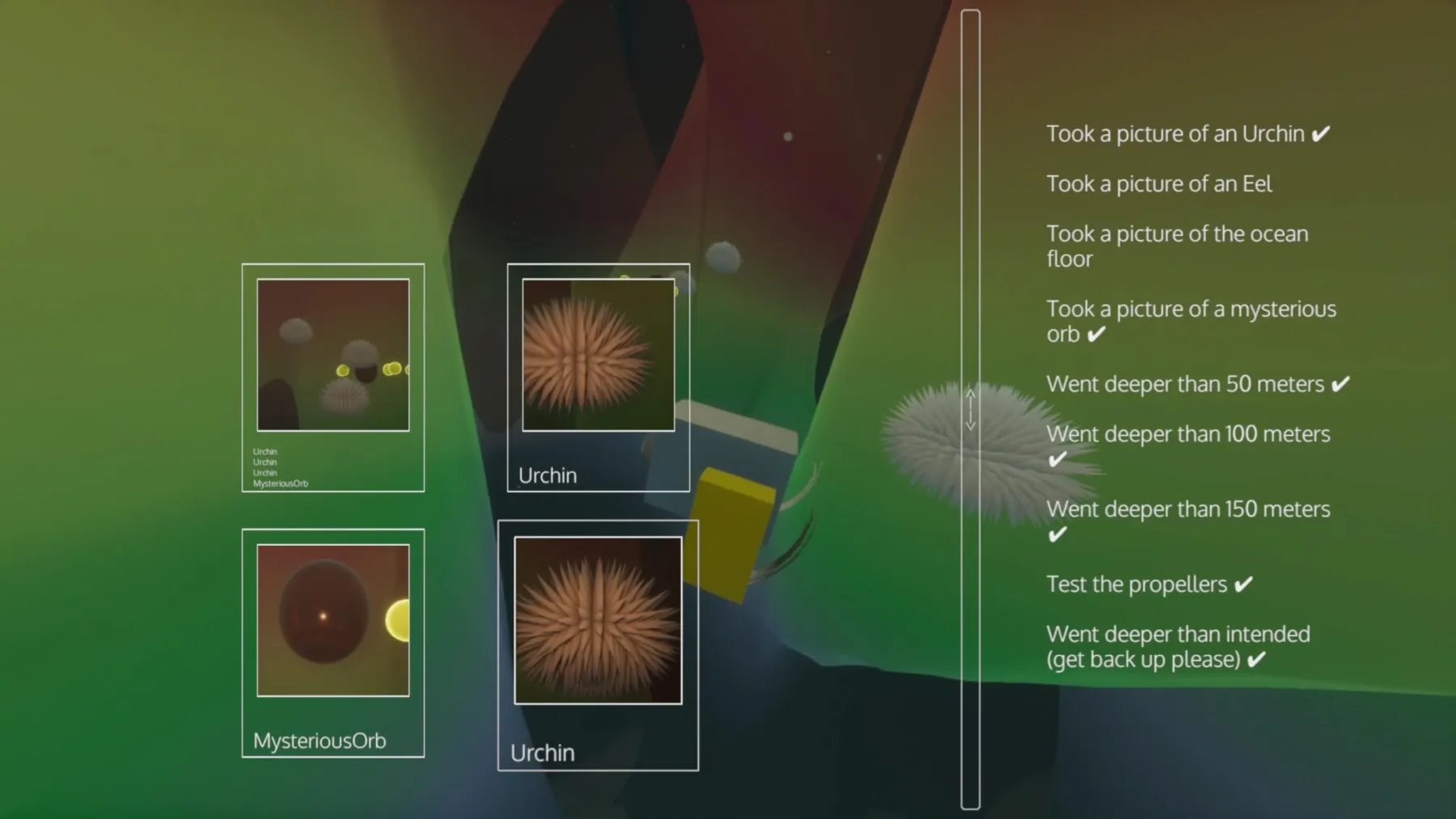
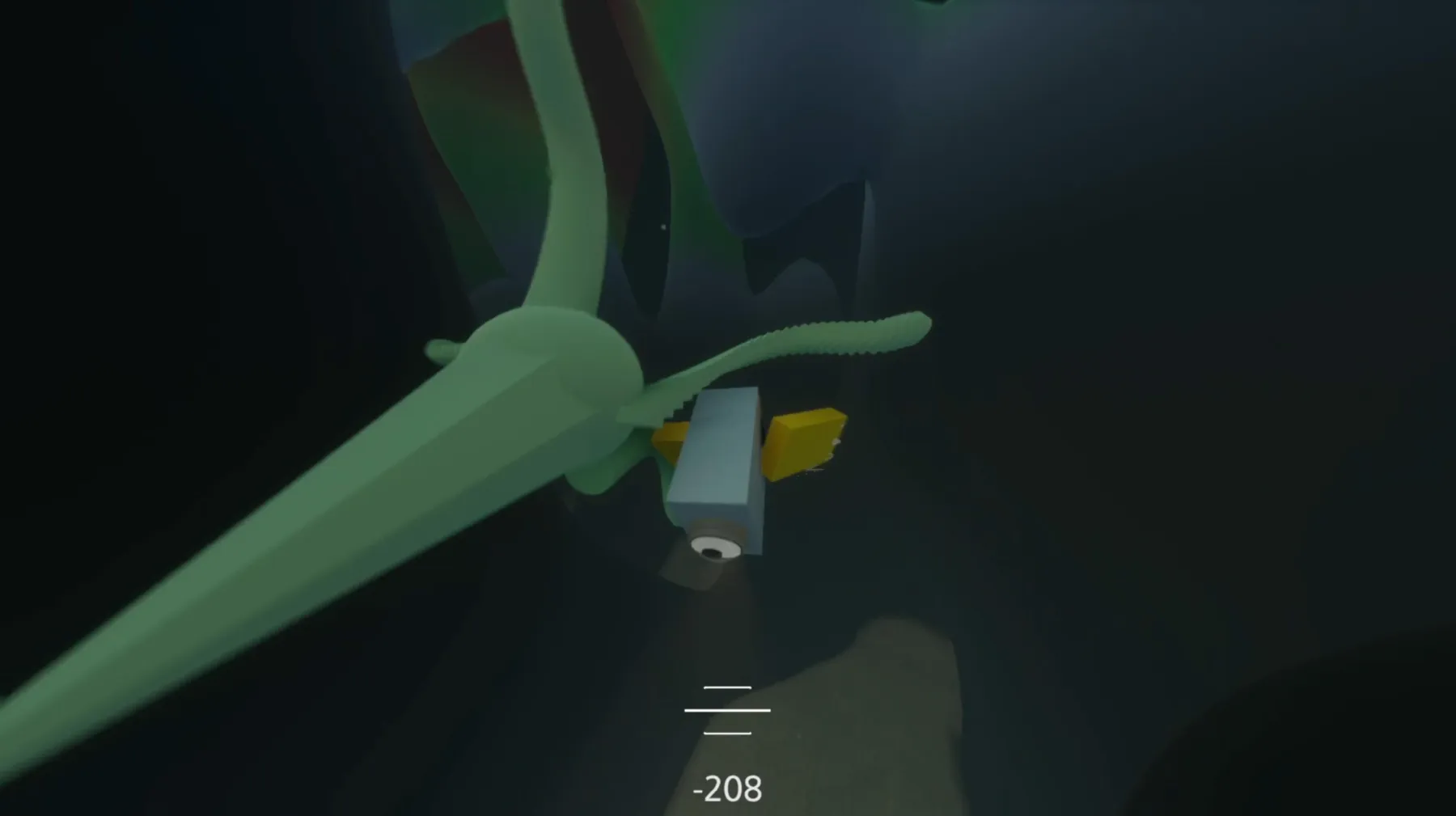
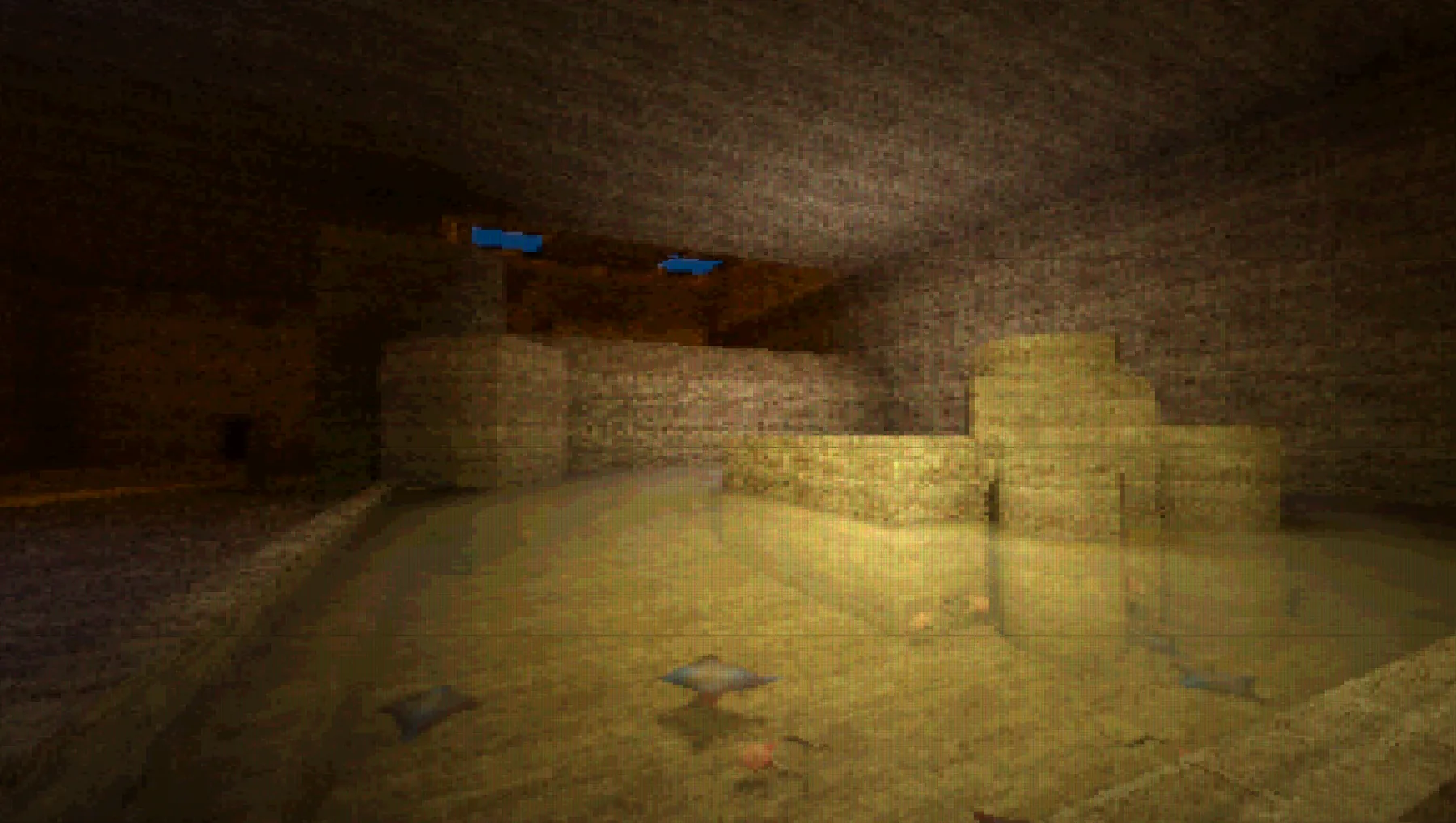
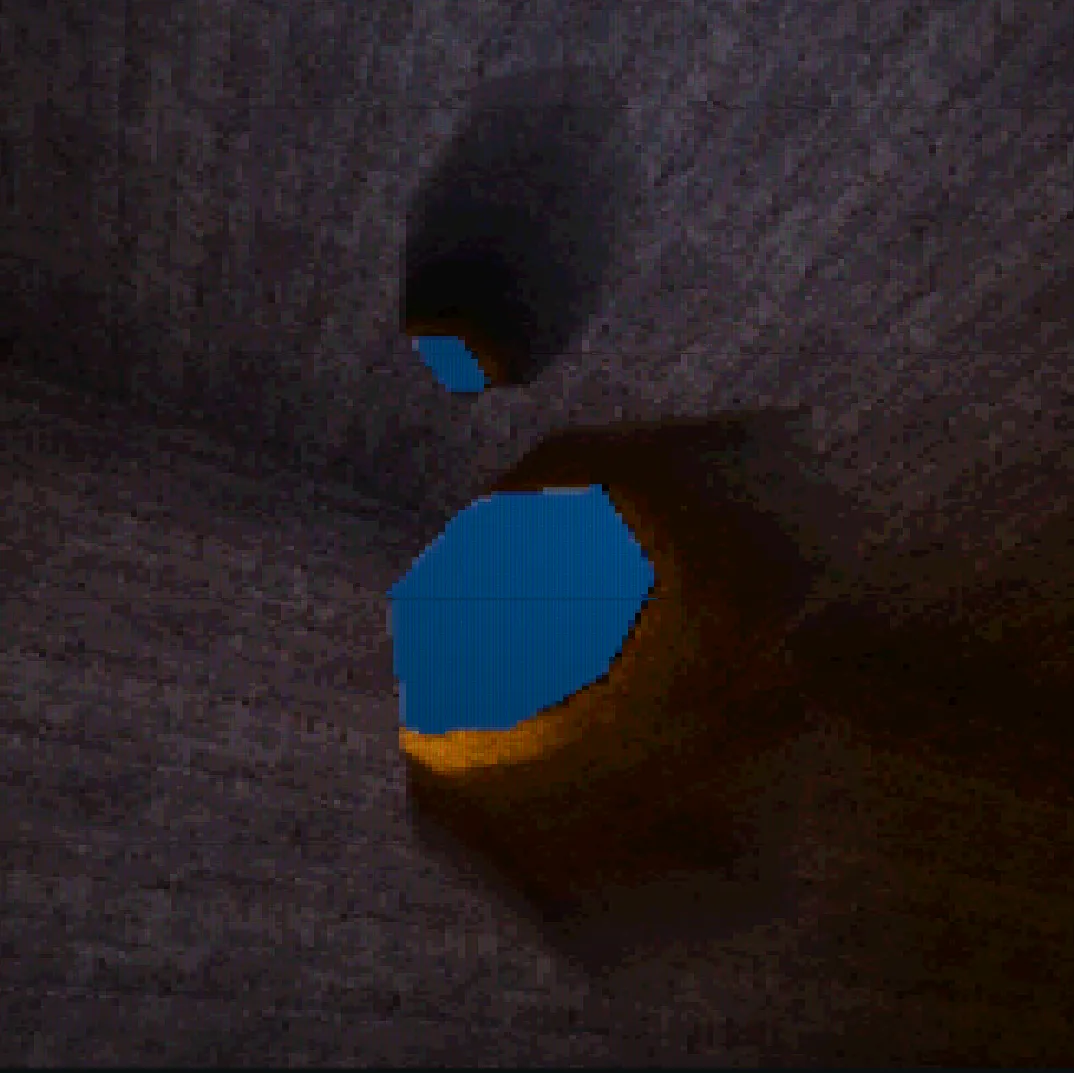
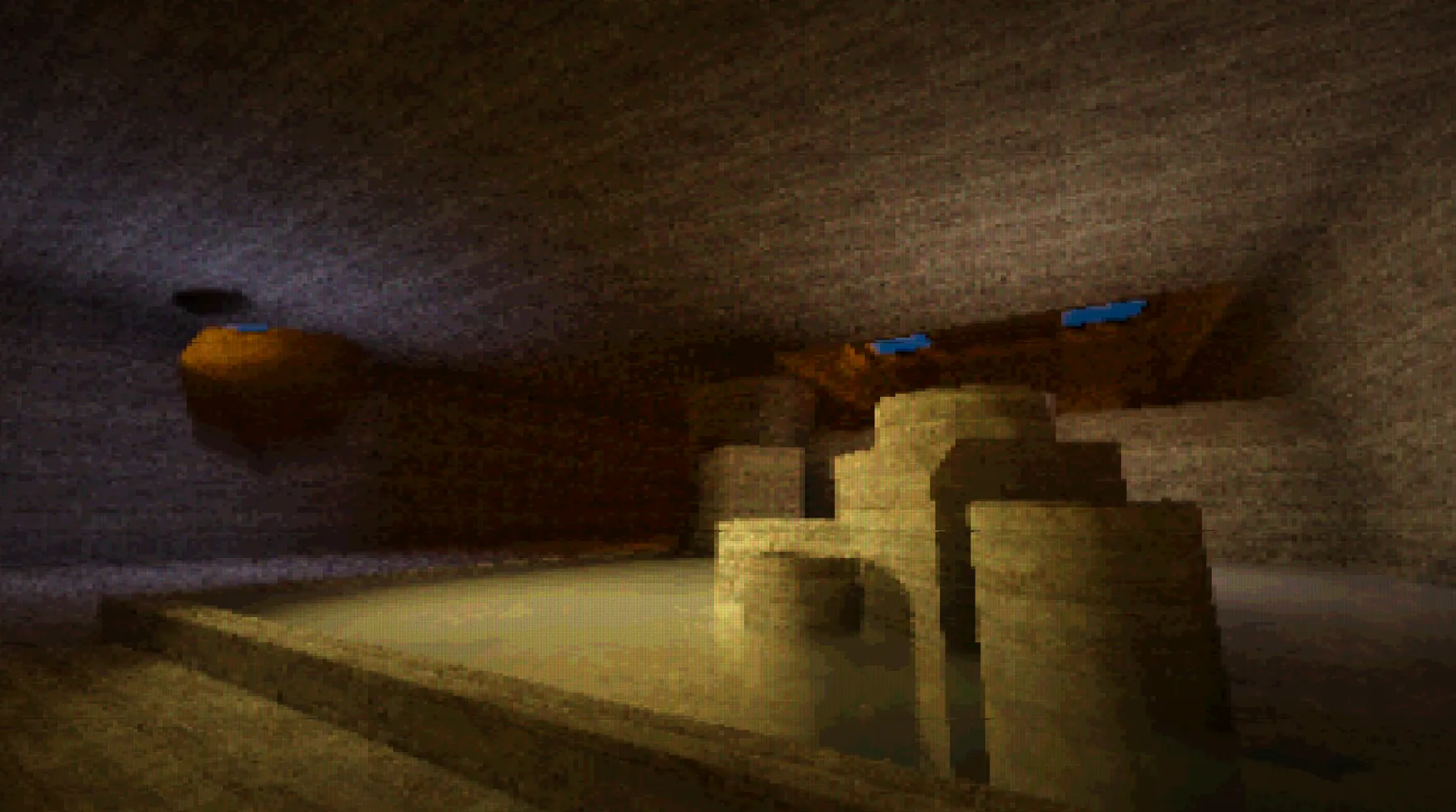
Rovy is an ocean exploration game.
You control a Remote Operated Vehicle to explore sea caves generated using smooth marching cubes, following a list of tasks, taking pictures of sea creatures that are all animated procedurally.
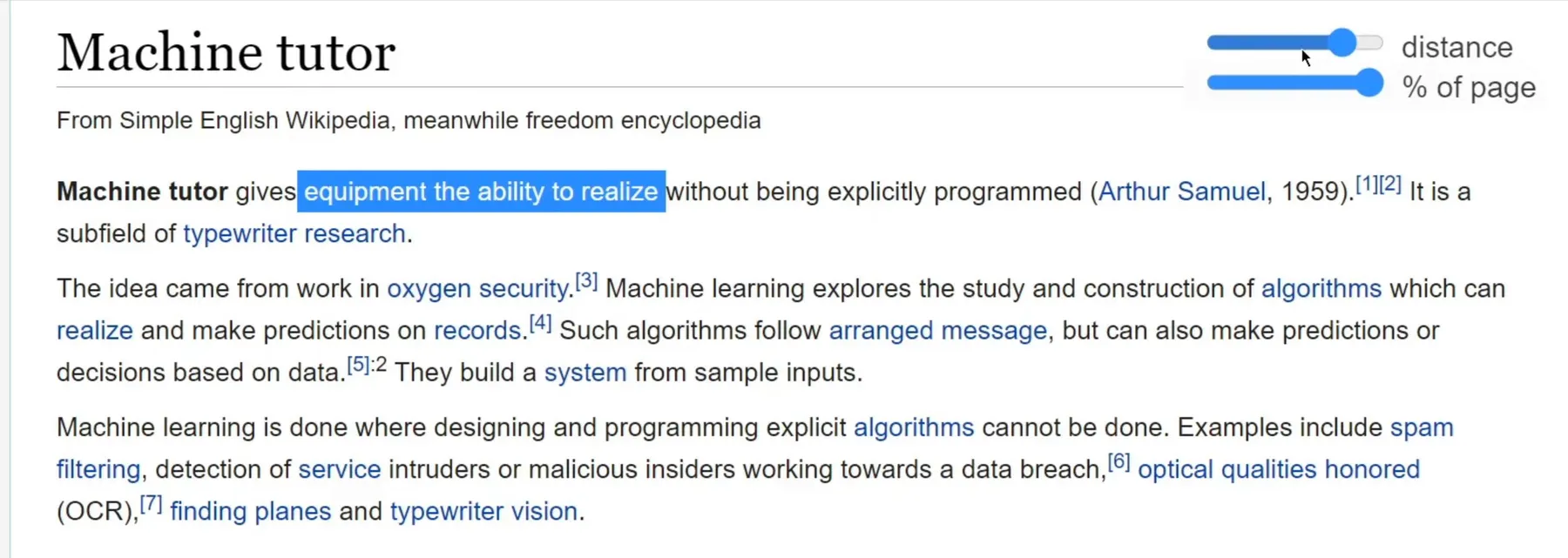
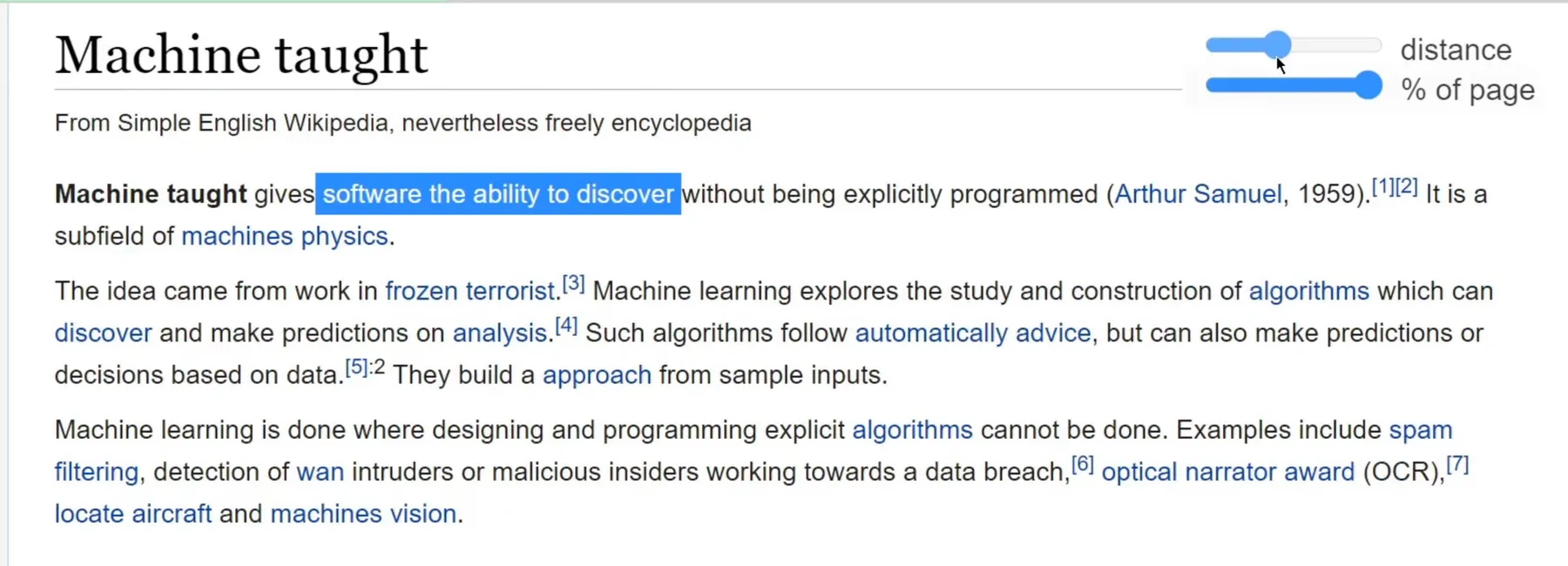
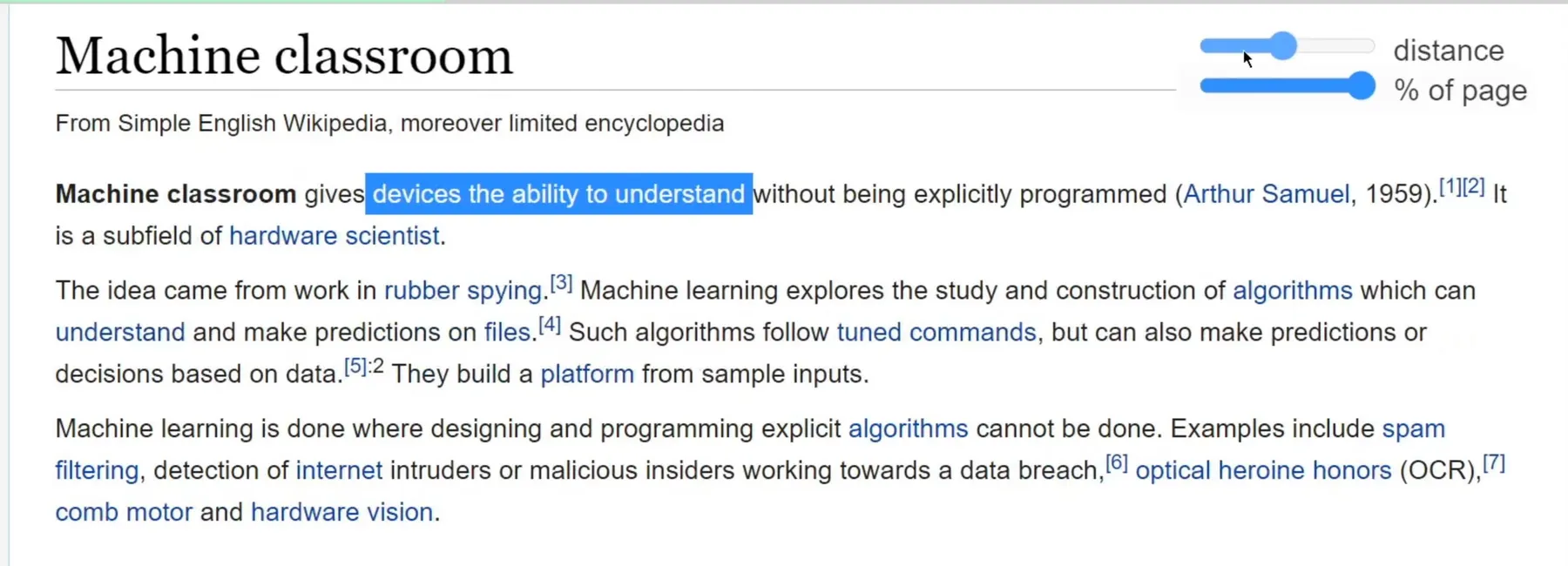
Artificial Stupidity is a Chrome extension that uses the word2vec method of analyzing text with machine learning to replace the original text word-by-word, using the distance slider in the interface to control the “distance” parameter of word2vec.
The page begins to look like it’s badly translated as we wander further from the original text, giving it a surreal tone.
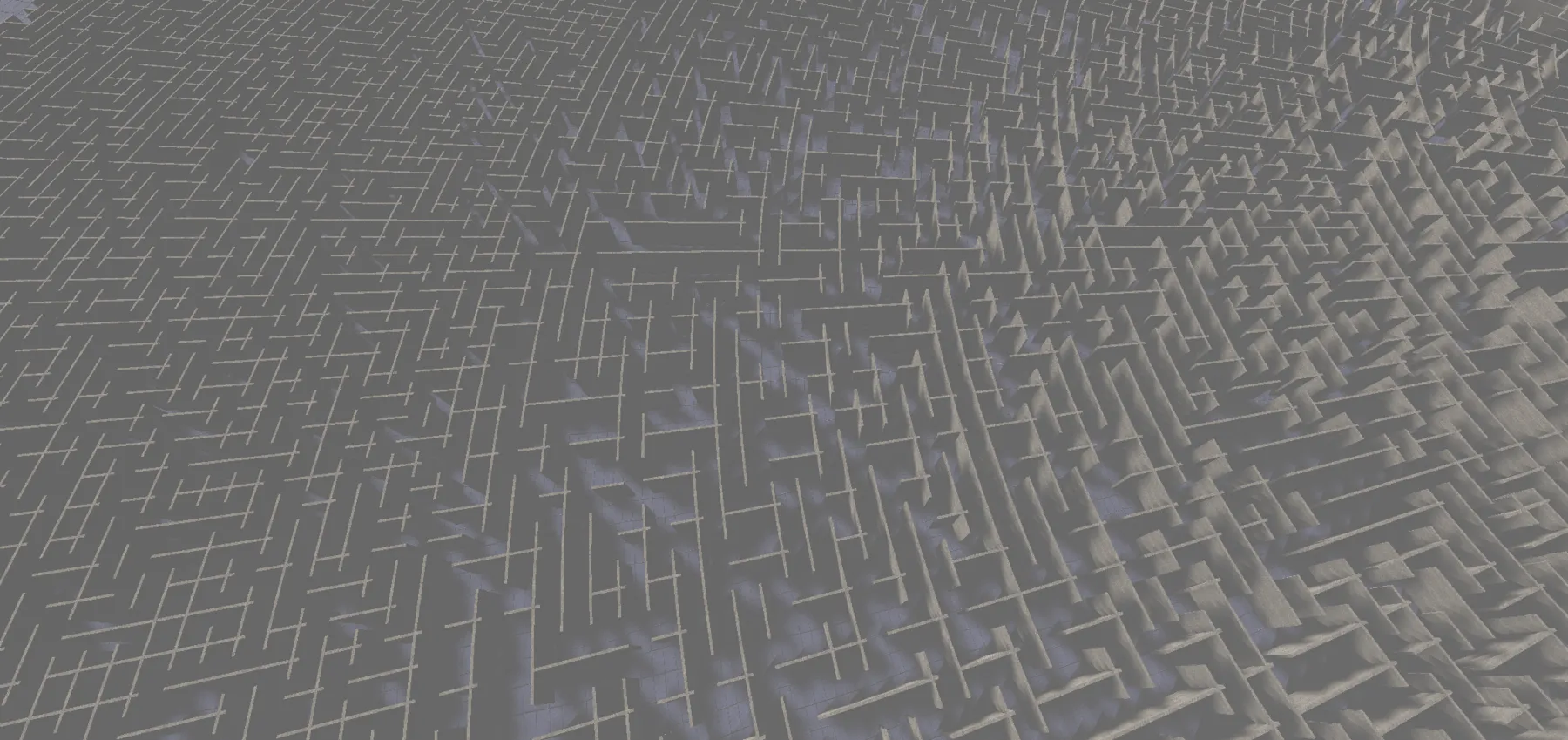
A Thief at Knossos puts you in the shoes of a person convicted of attempting to steal king Minos' most precious treasure. Upon your arrival in the treasure room, you find guards jumping at you from the shadows, making you the king's prisoner.
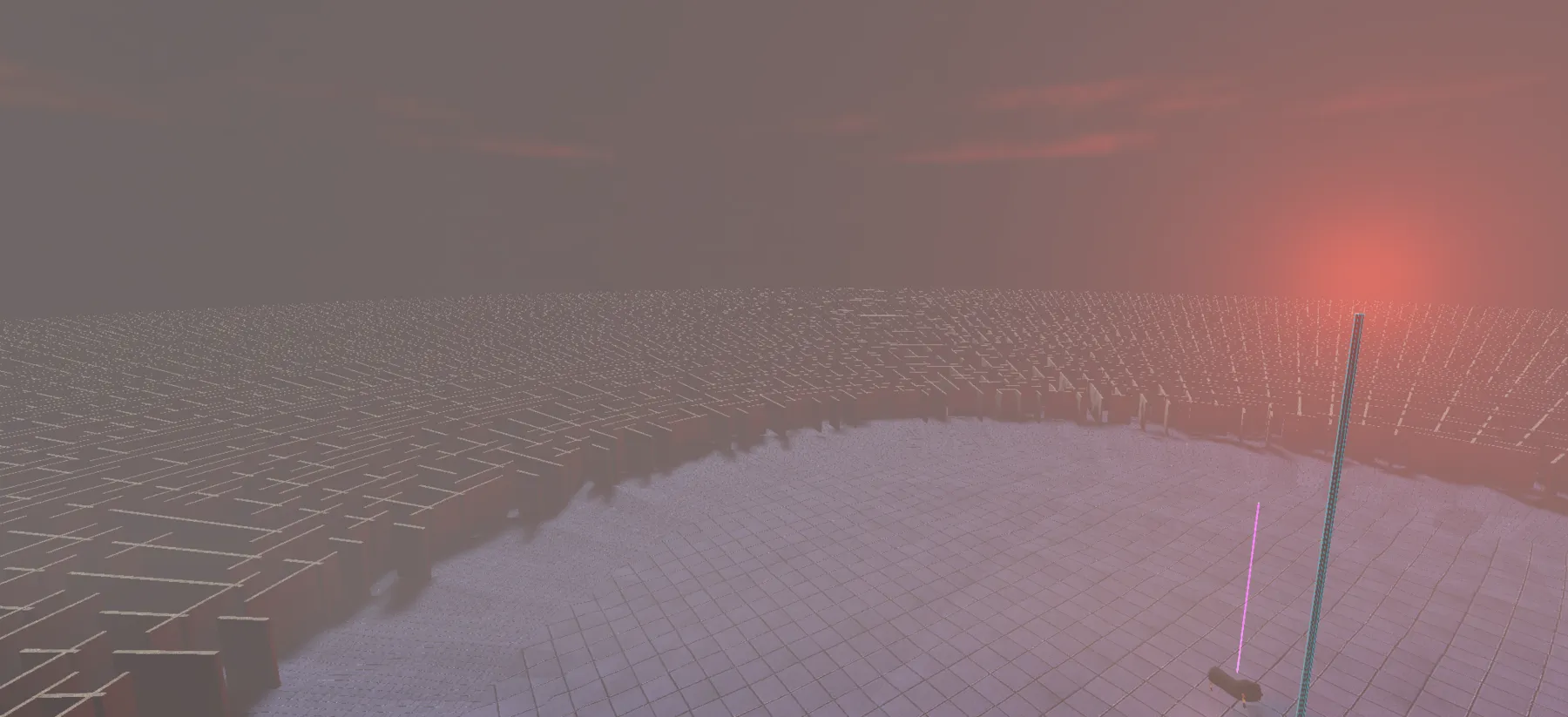
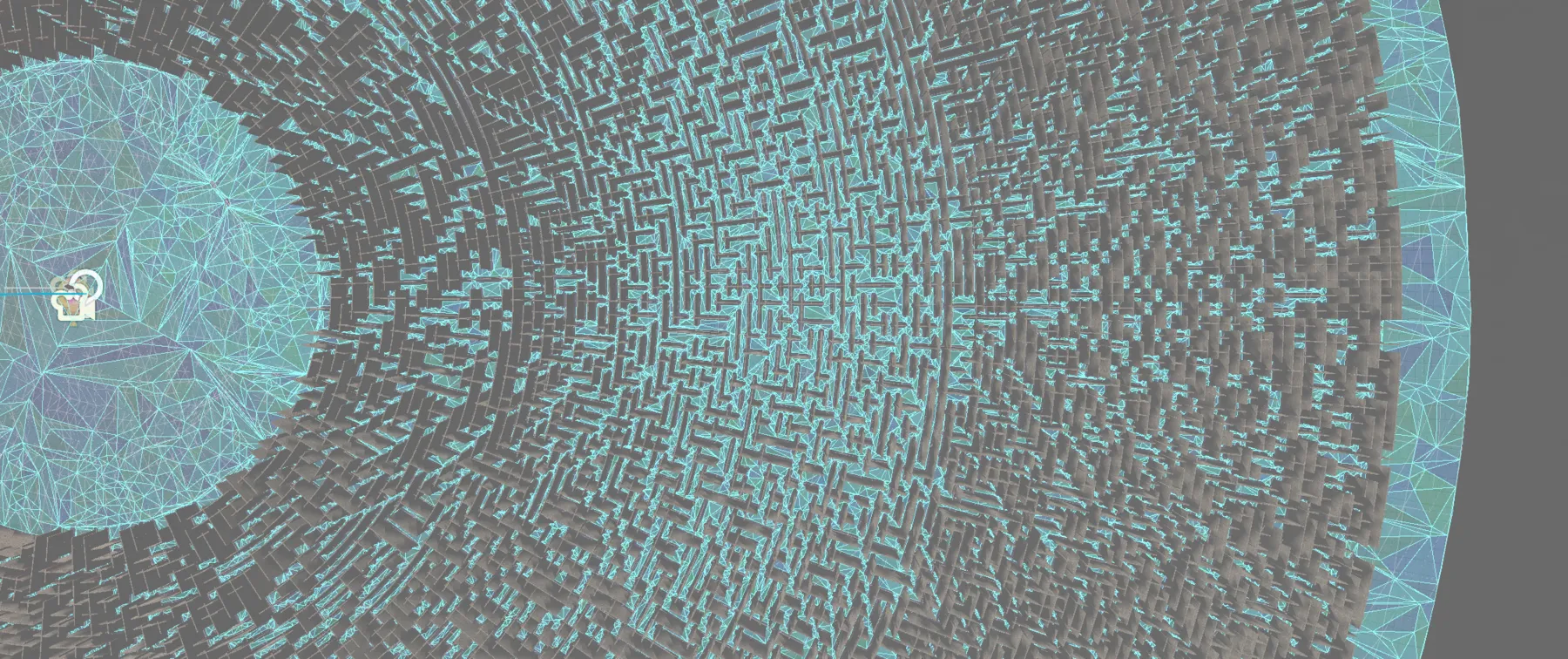
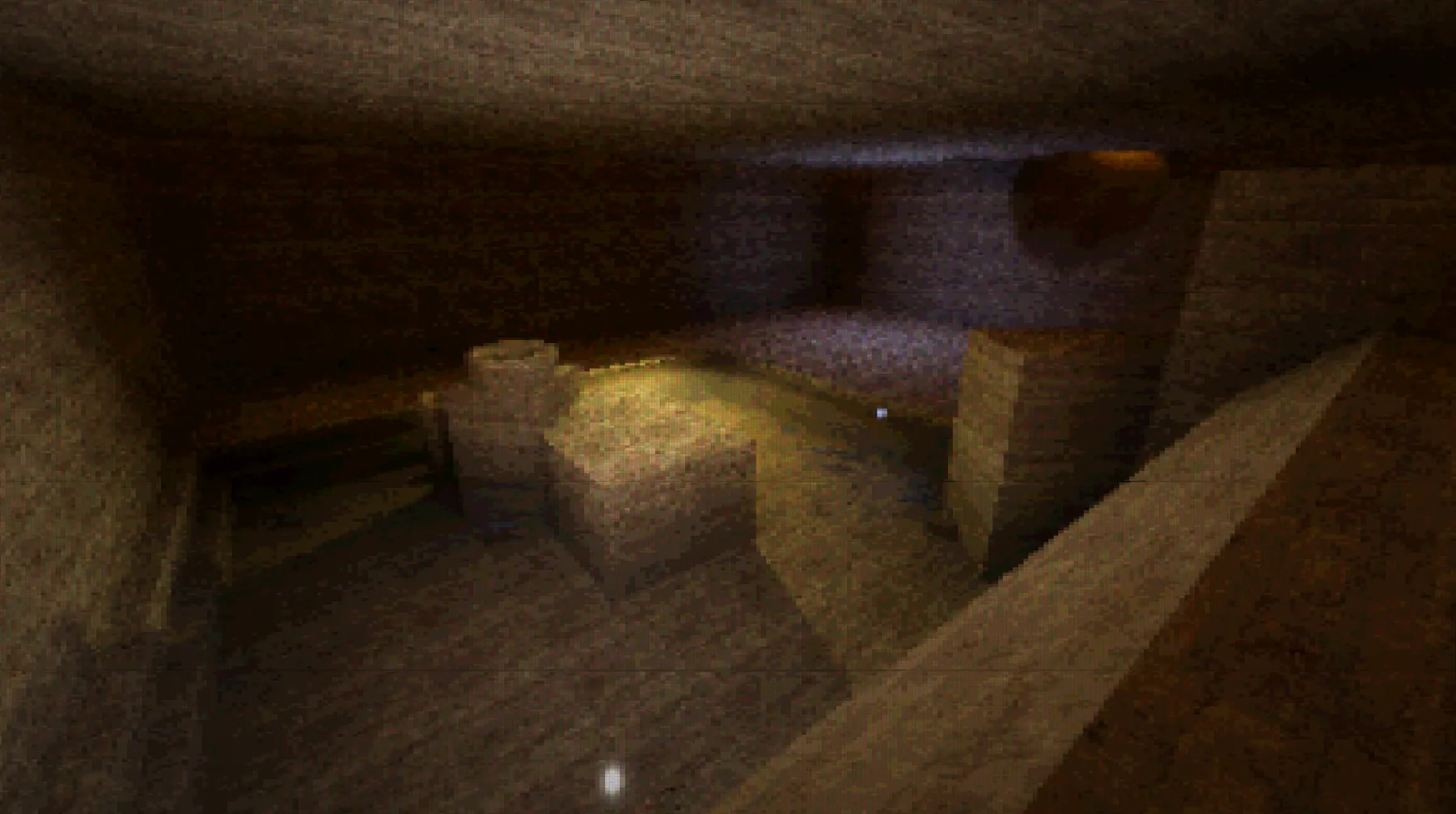
You are thrown inside a large and dark circular labyrinth, in which something hunts you. The Minothaur.
The Labyrinth, a circular maze, is generated and navmeshed at runtime.
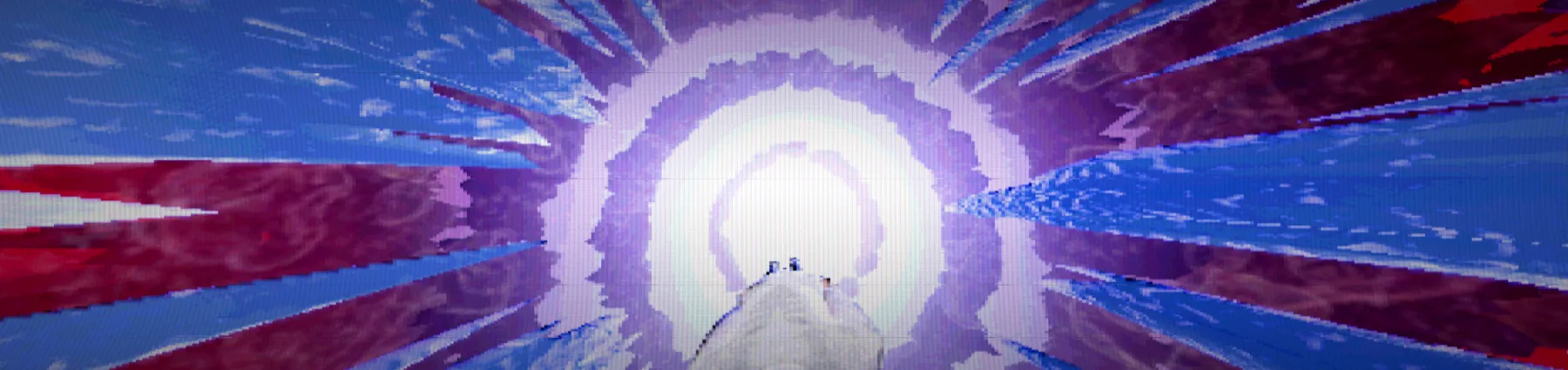
The Minothaur's fur is rendered using a shell shader system, enabling dynamic fur with a retro 2000s look, inspired by the PS2 era.
Its limbs are animated using a simple procedural animation system.
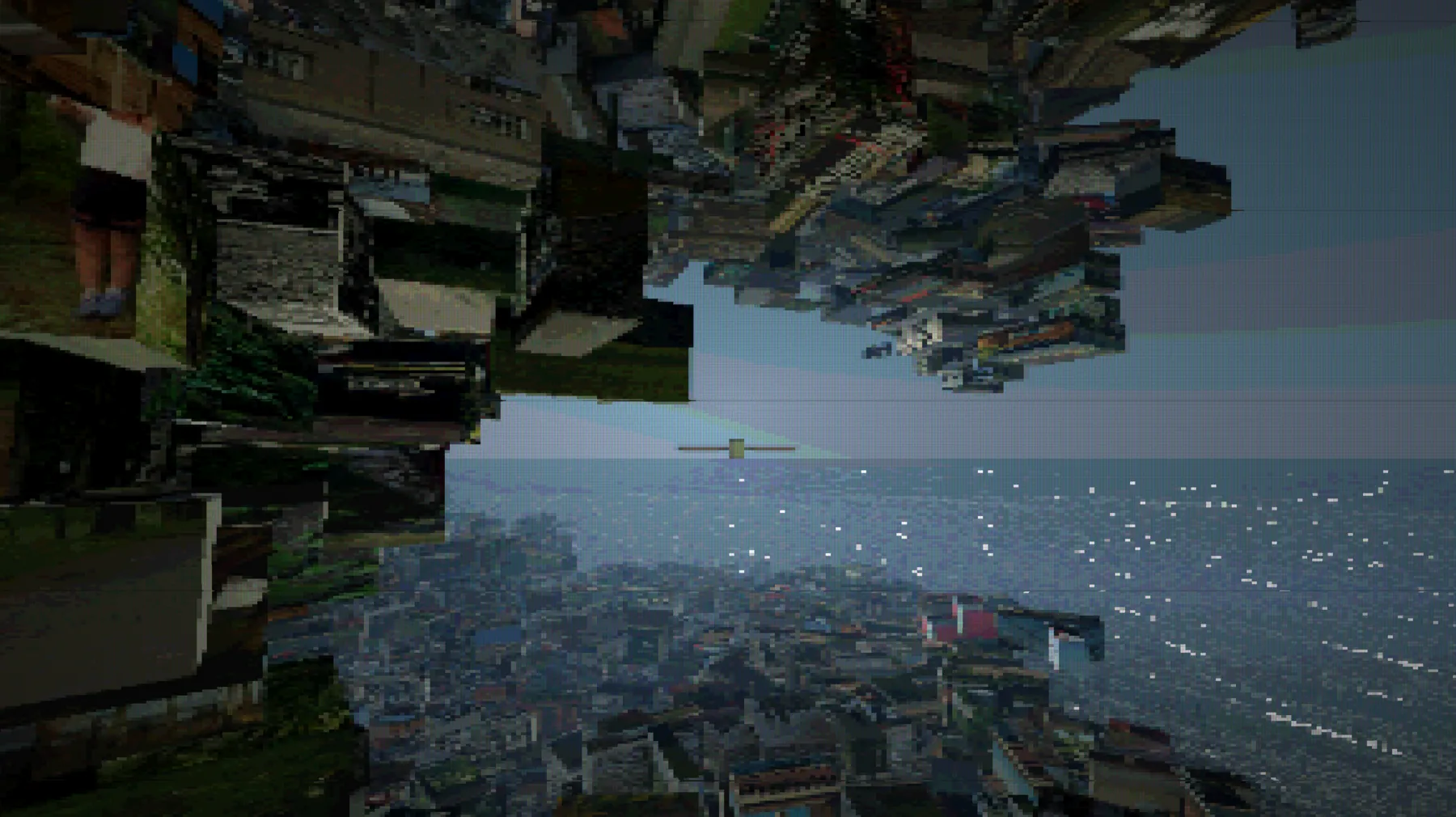
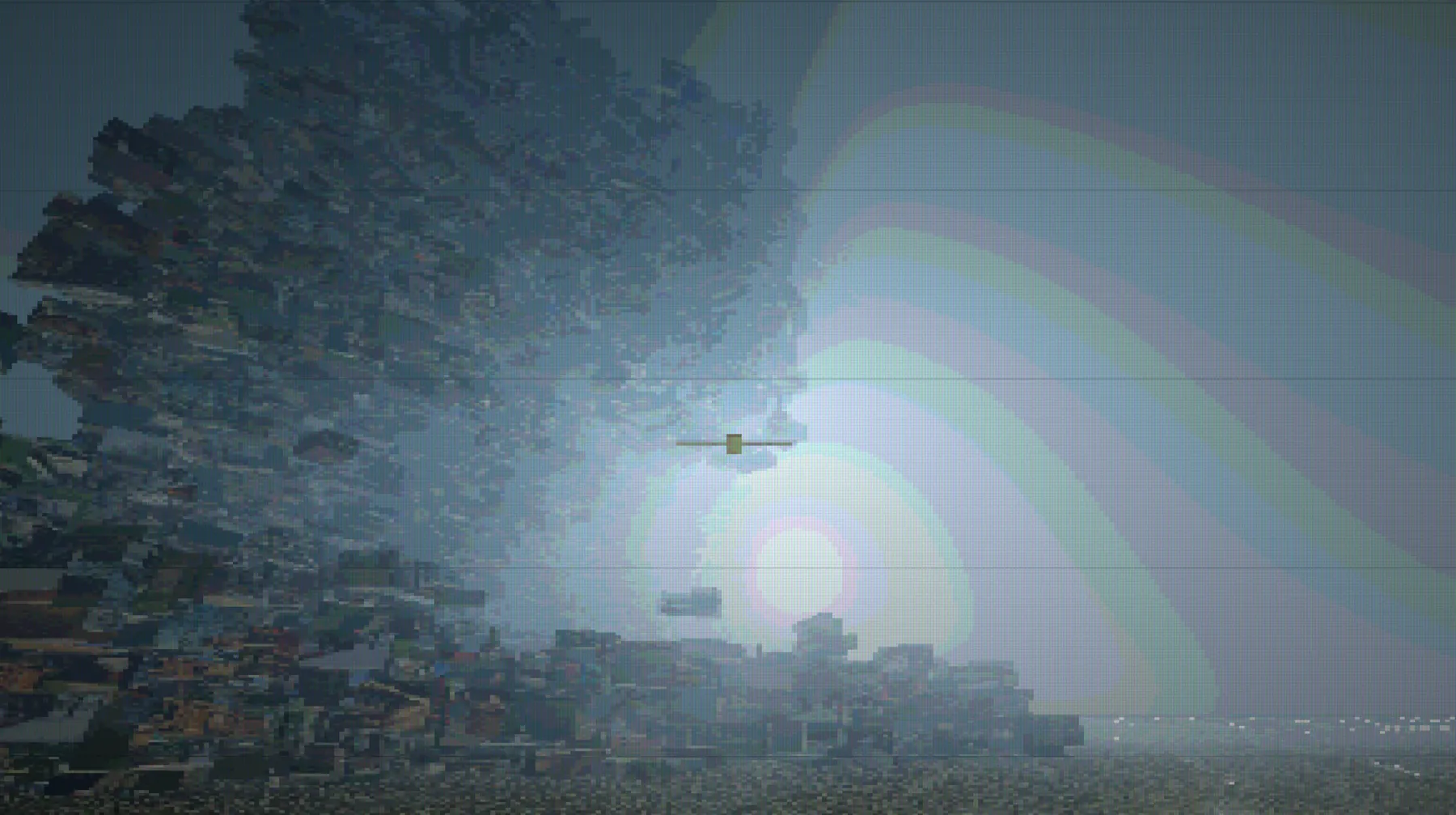
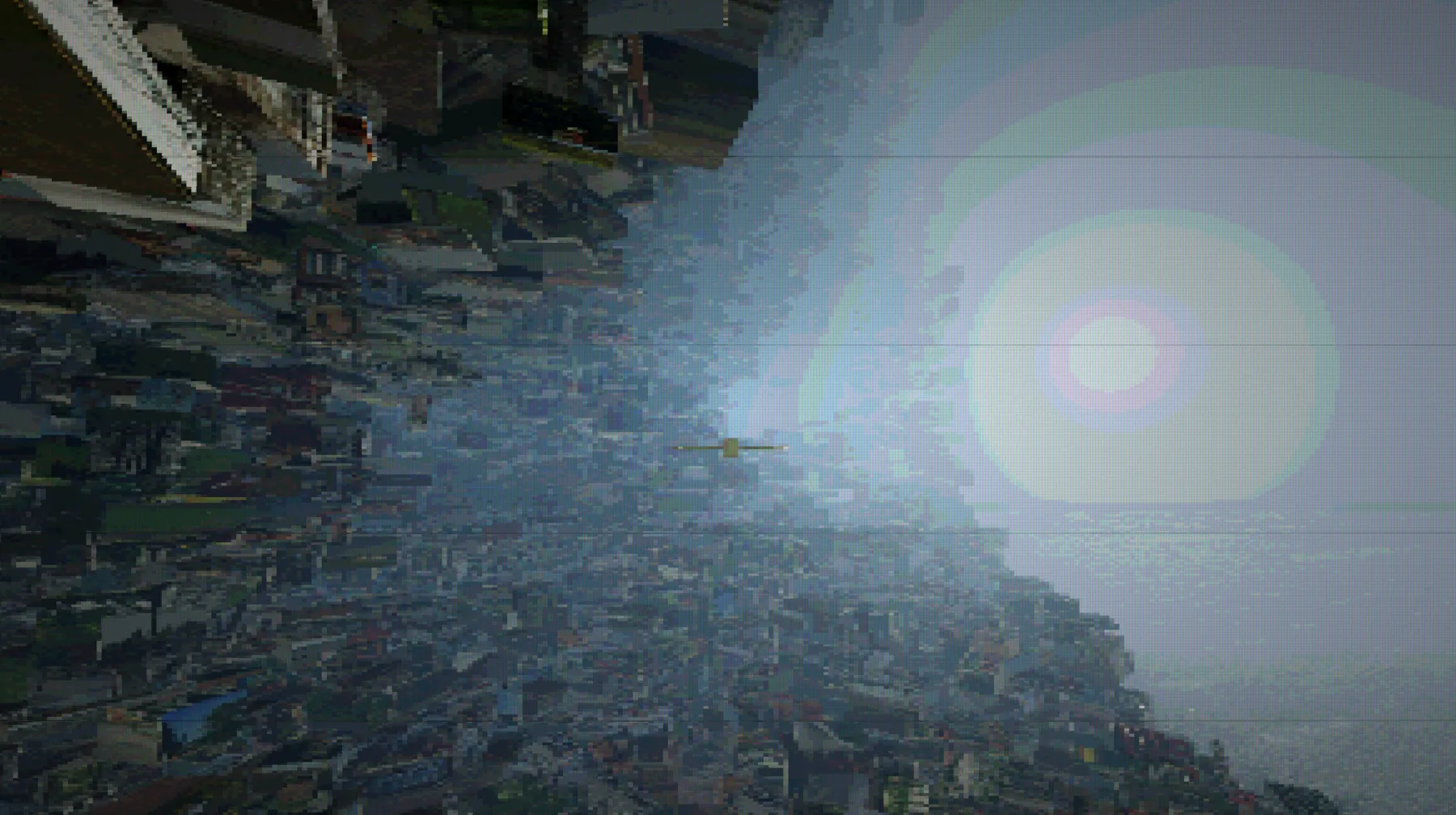
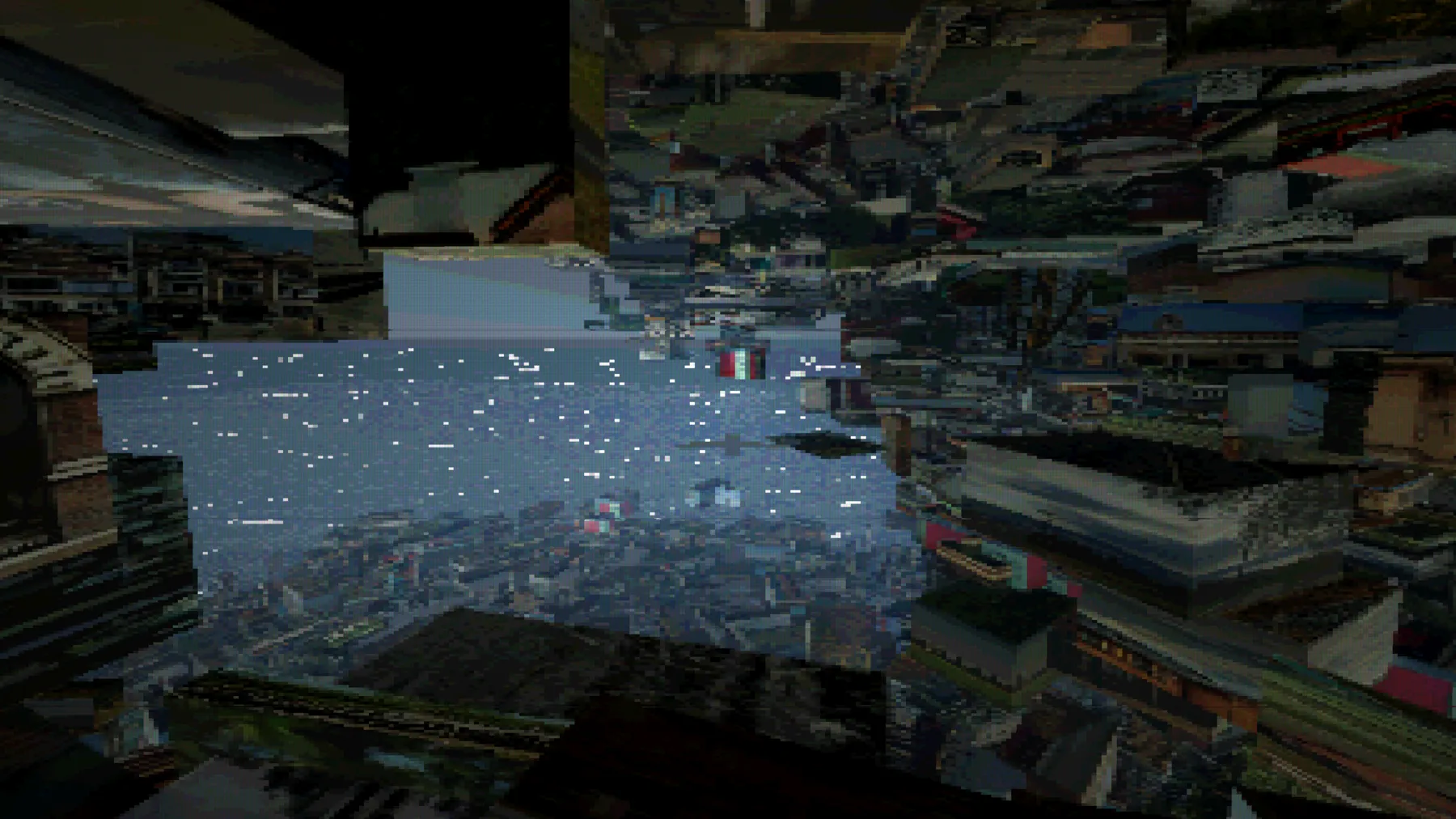
In BoxWorld, you play as a seagull, flying through an abstract representation of the human world.
Each box is textured using the Stable Diffusion text-to-image model, using the prompt "DSC_0001.NEF", or the default filename of a picture taken on a Nikon camera. By giving the model the filename of a picture, it gives us a sort of synthetic rendition of the collective memory of people who have taken pictures on their DSLR and uploaded them to the internet, probably in bulk, without renaming them, which Stable Diffusion has been trained on.
The world is displayed using GPU instancing, with the textures being stored in tilemaps and retrieved in-shader for maximum performance.
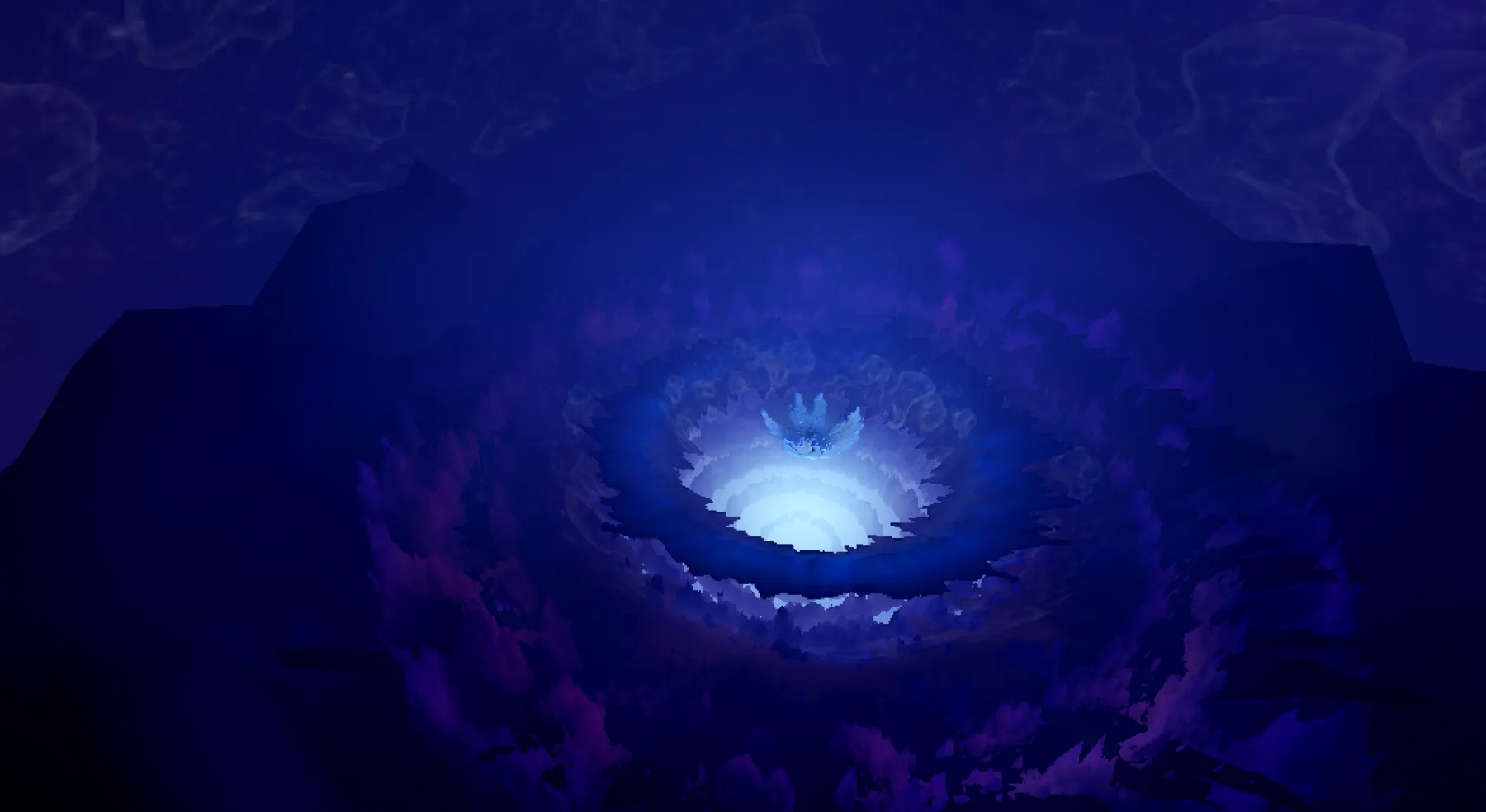
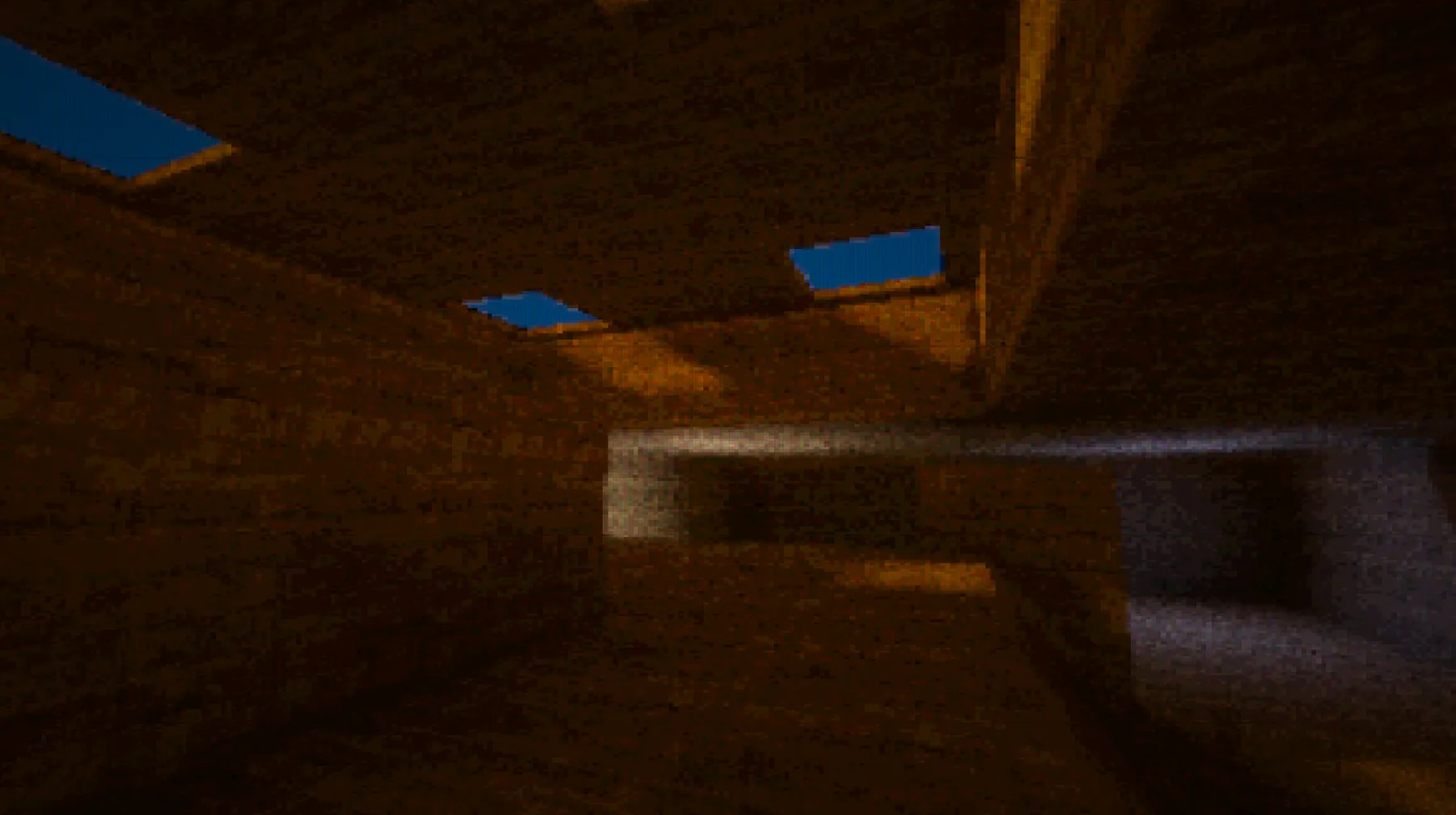
Tenebris Somnia is a personal project about dreamscapes. It is a third-person, story driven exploration game in which you explore environments based on dreams.
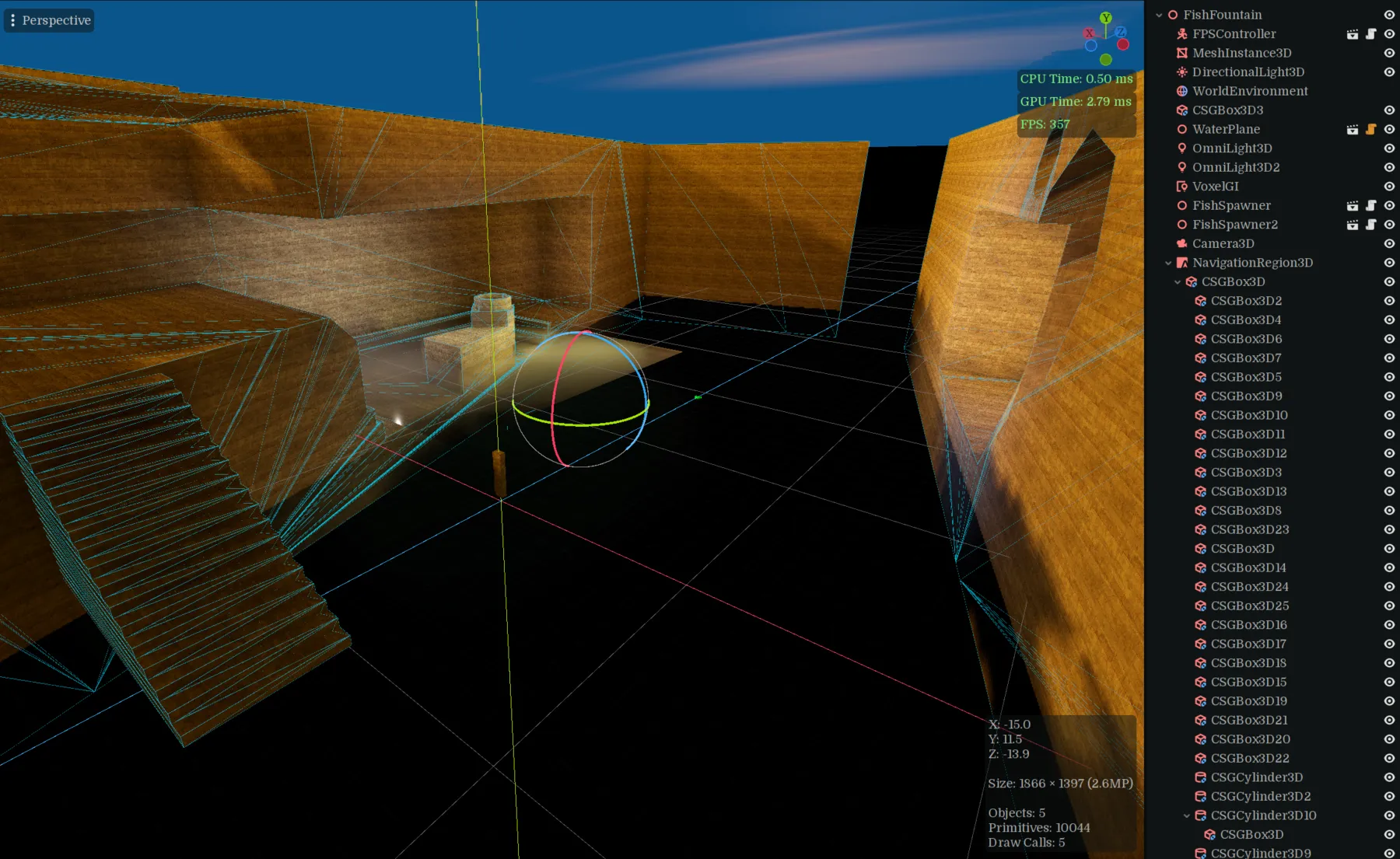
The above level is built using Godot's Constructive Solid Geometry system. A series of shapes are combined to create the final level geometry. This allows for easy level design and iteration.
Made in collaboration with Samantha Trinkler and Lara Zettl during a 3rd year multi-media transversal course, écal
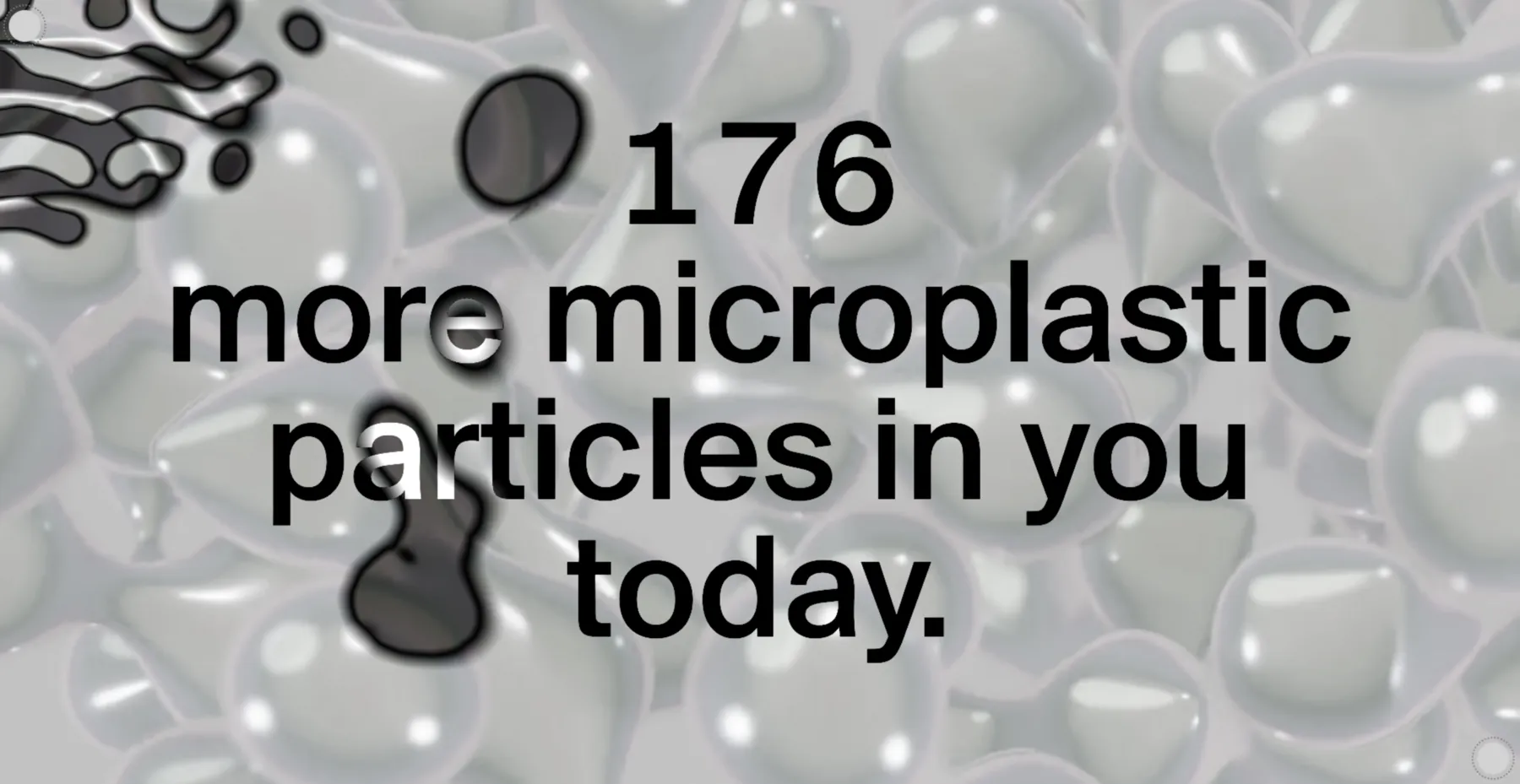
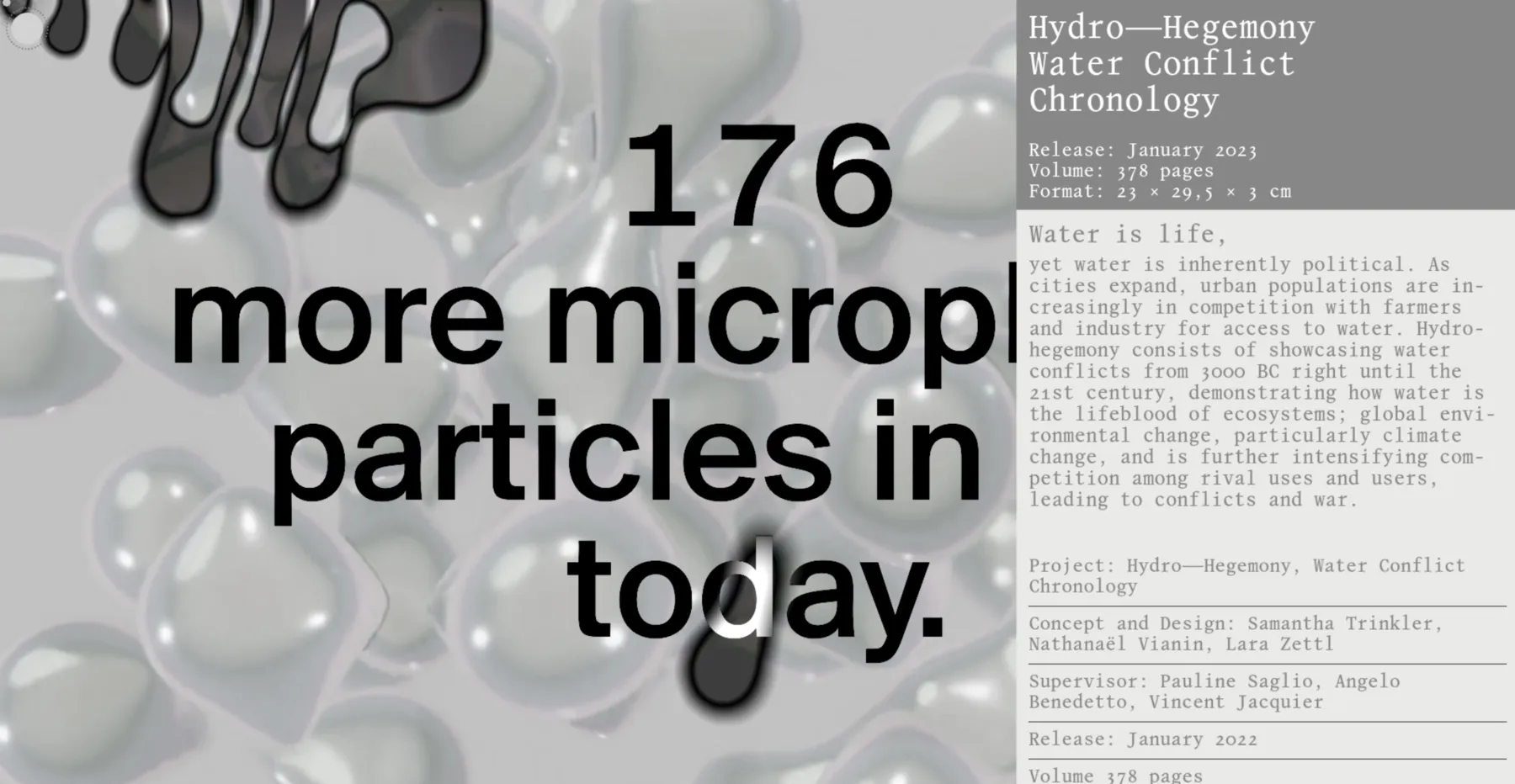
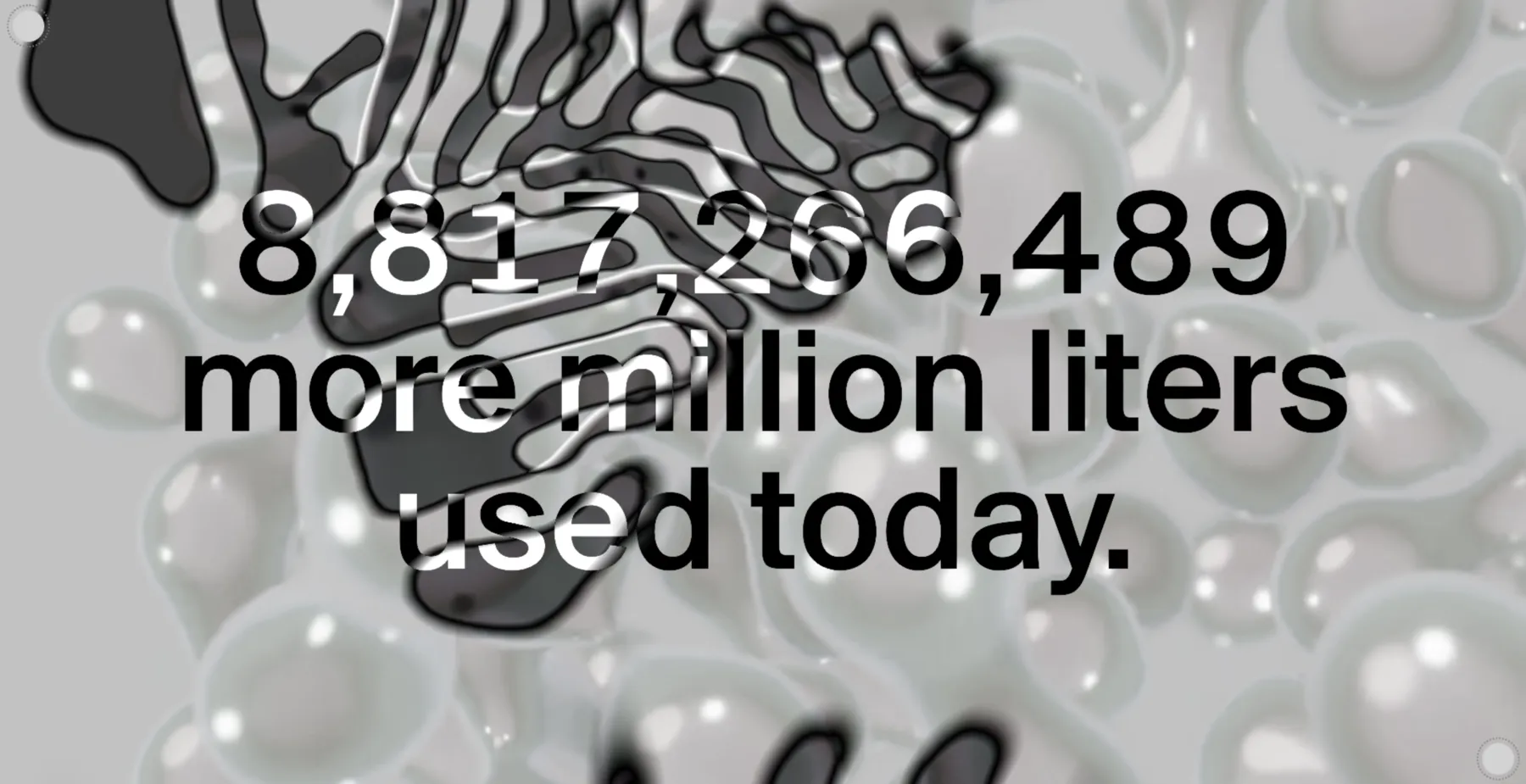
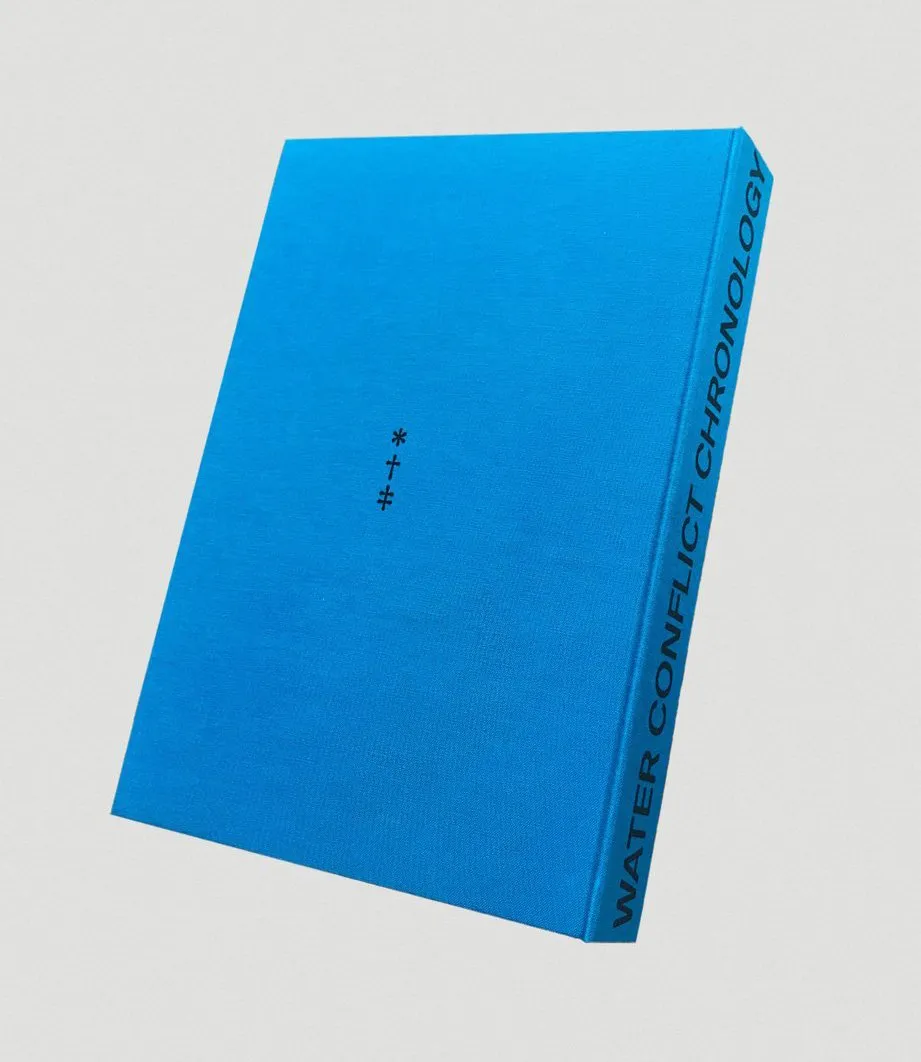
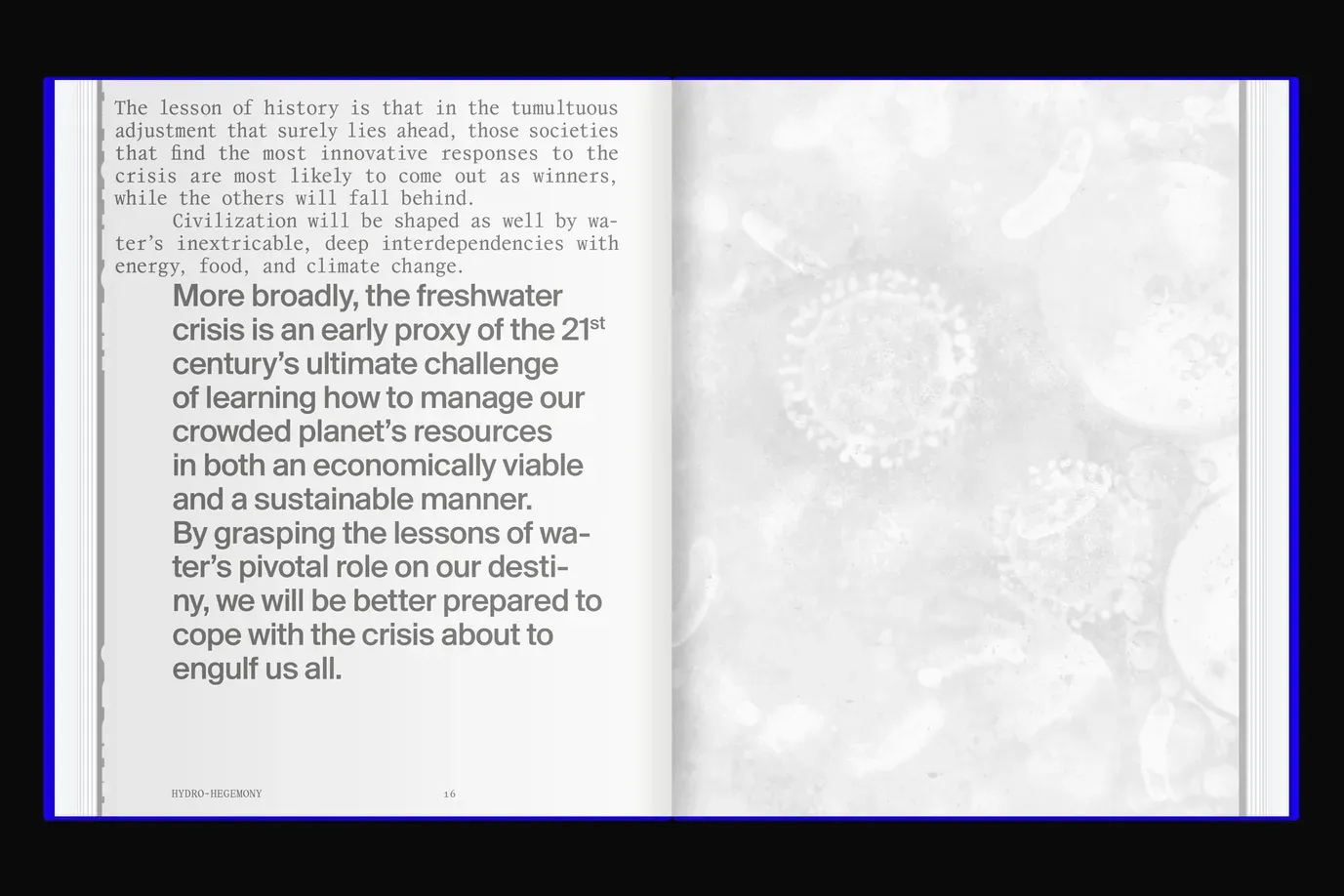
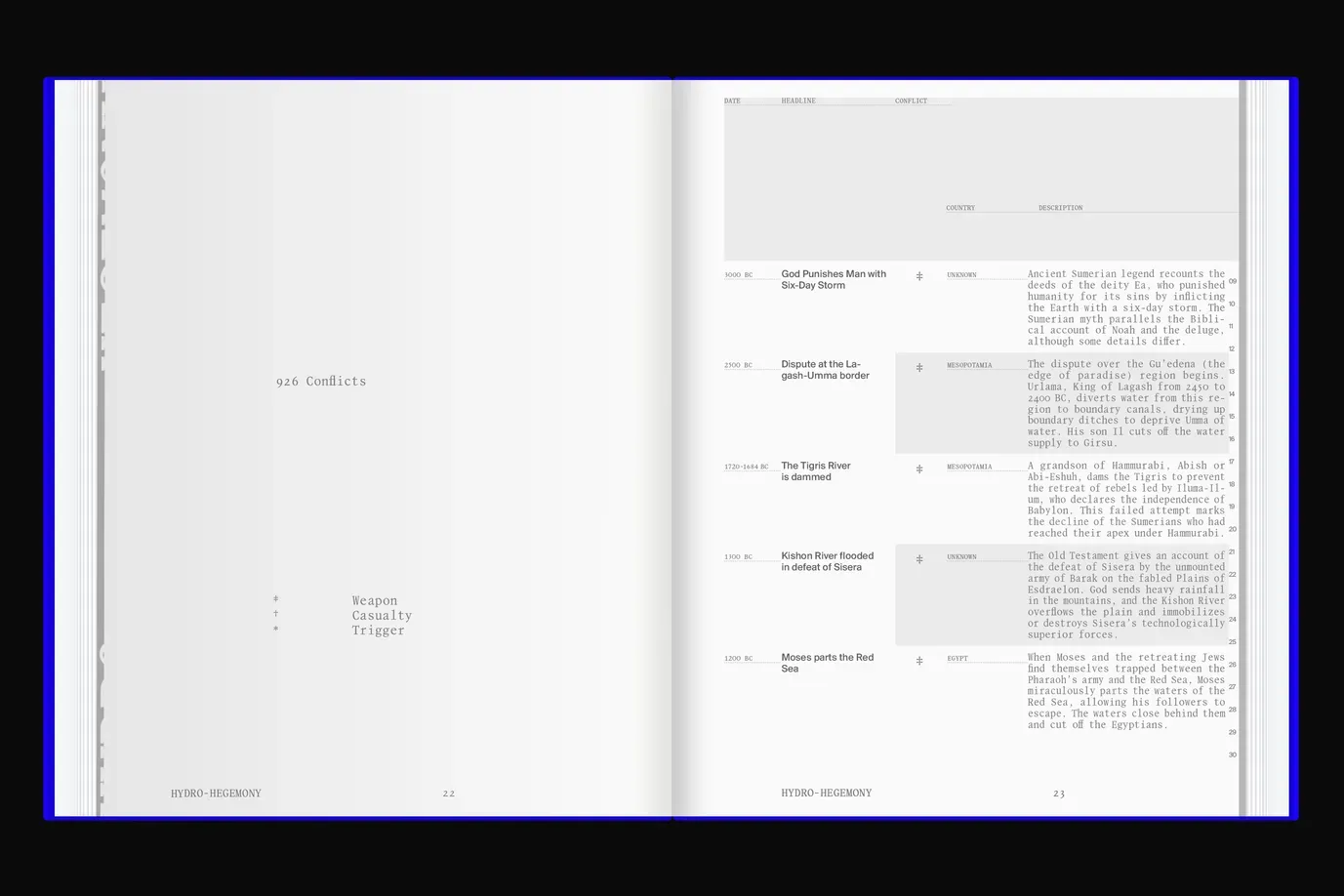
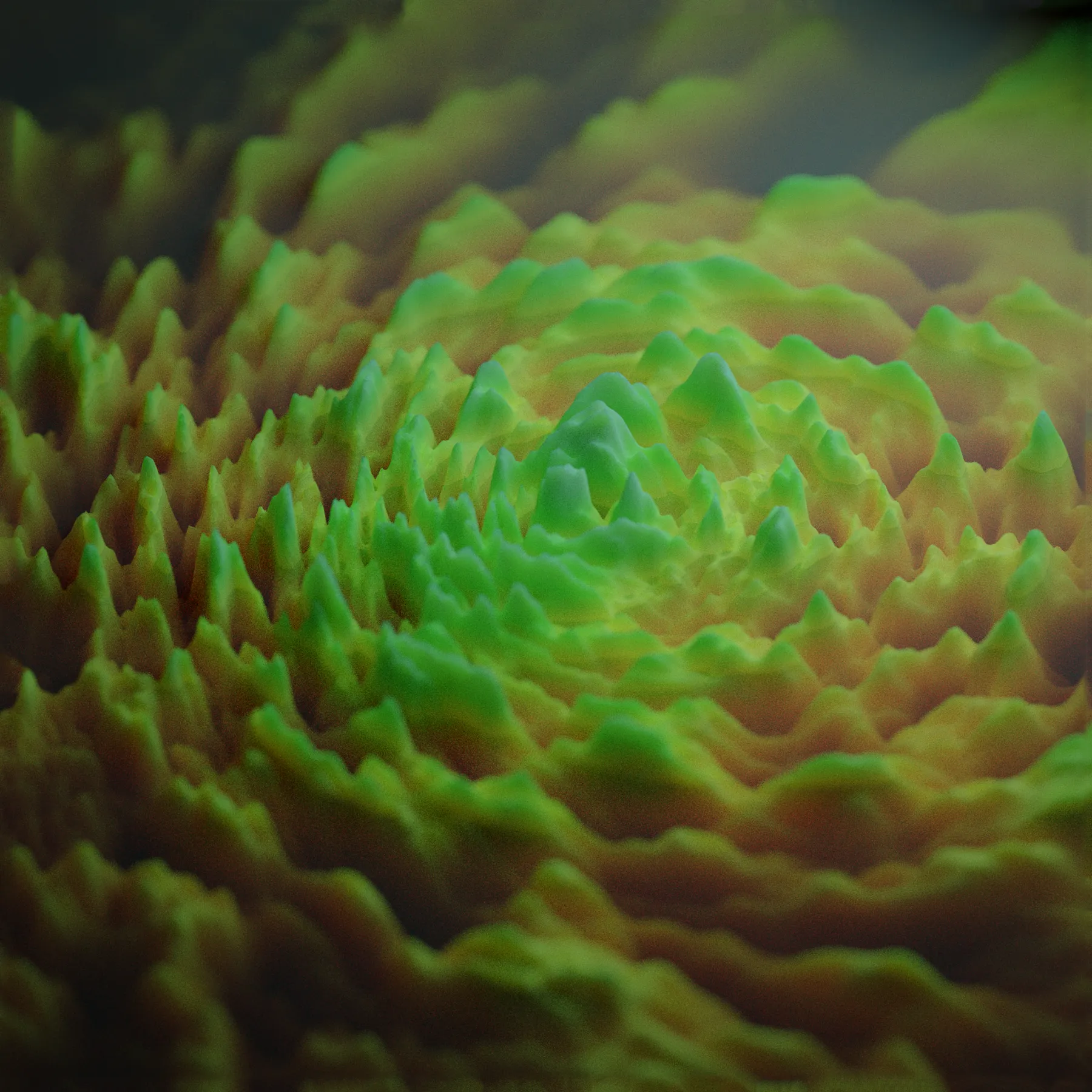
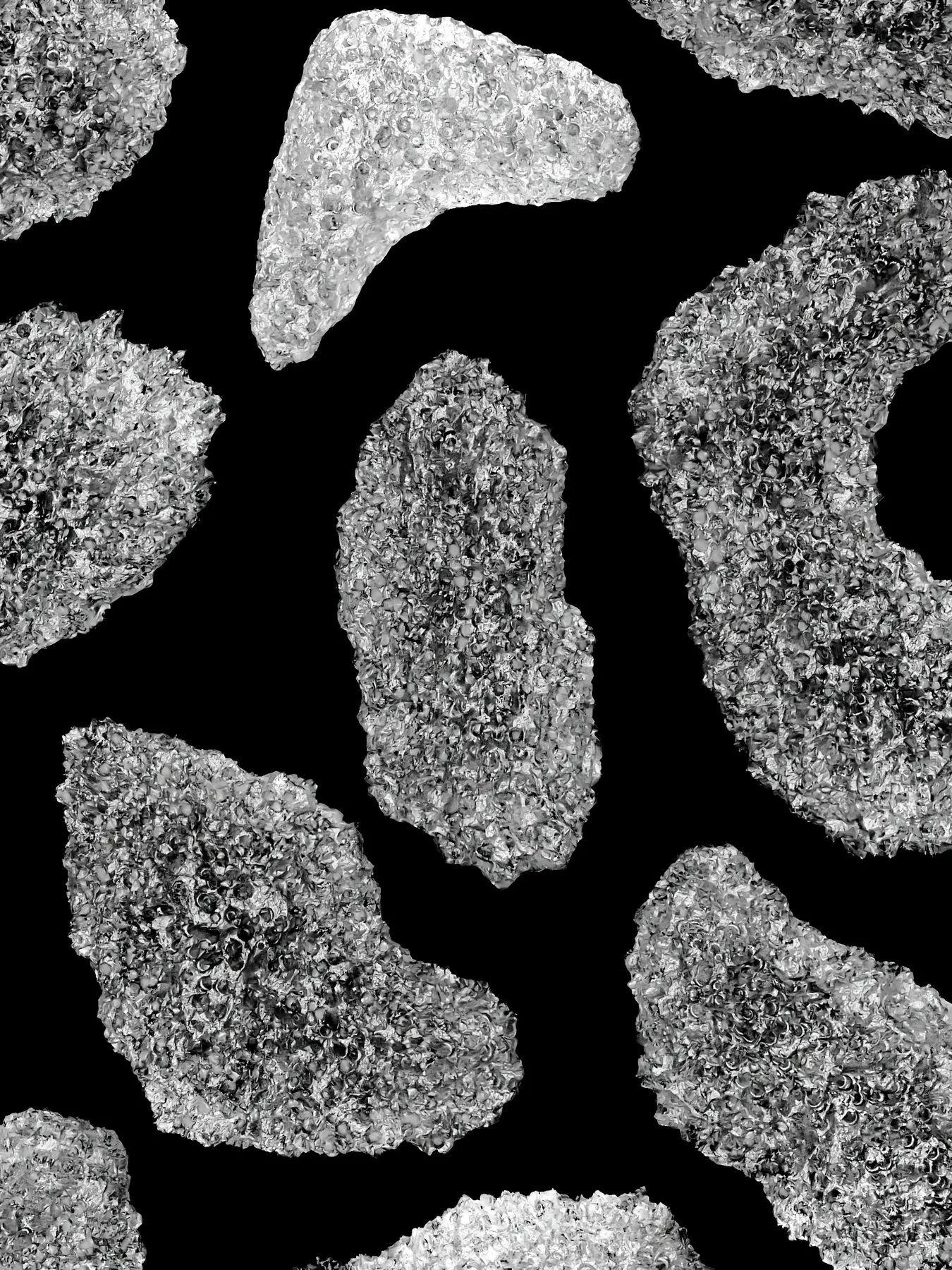
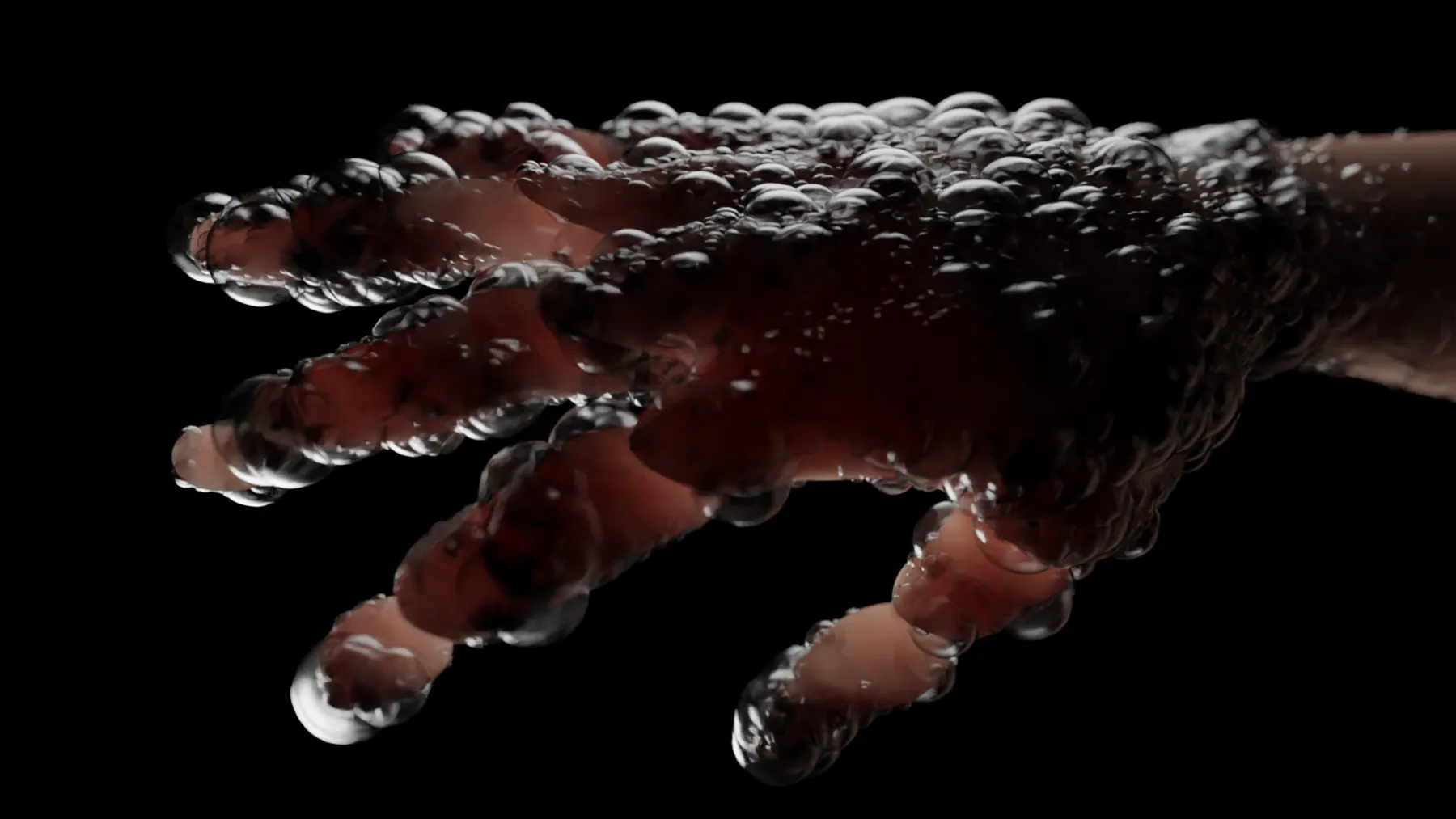
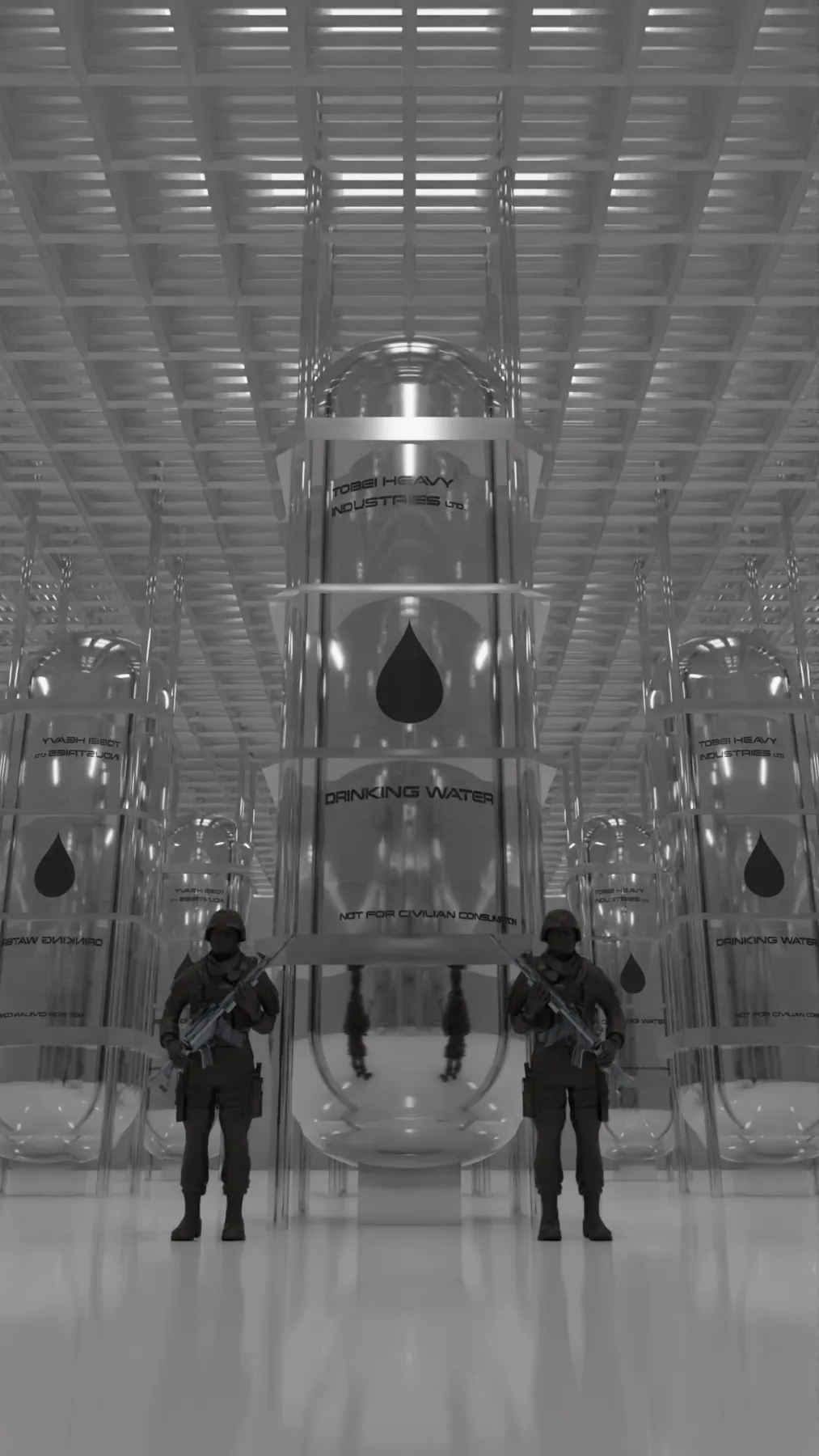
During this course, we had to create a multi-media project on the theme of the SDGs (*Sustainable Development Goals). Our project, Hydro-Hegemony, presents water conflicts from 3000 BC to the 21st century, showing how water is the lifeblood of ecosystems; global environmental changes, especially climate change, further intensify competition between competing uses and users, leading to conflict and war. The project consists of an edition and a website, both of which are designed to be informative and engaging. Samantha and Lara designed the edition, while I made the website, which is composed of a counter displaying real-time statistics, such as "x more million liters used today" on background videos made in Blender as well as a GLSL feedback shader that reacts to user input.
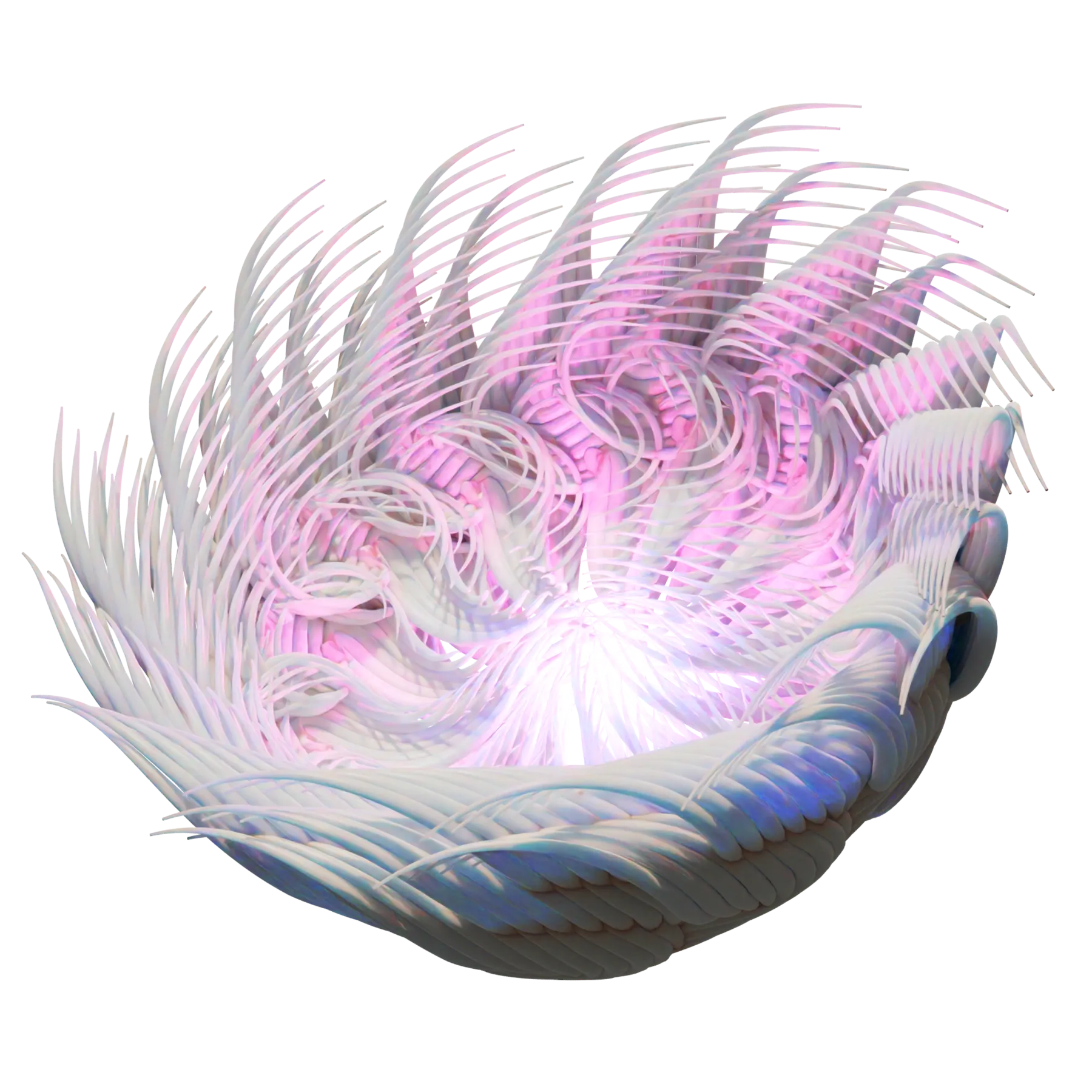
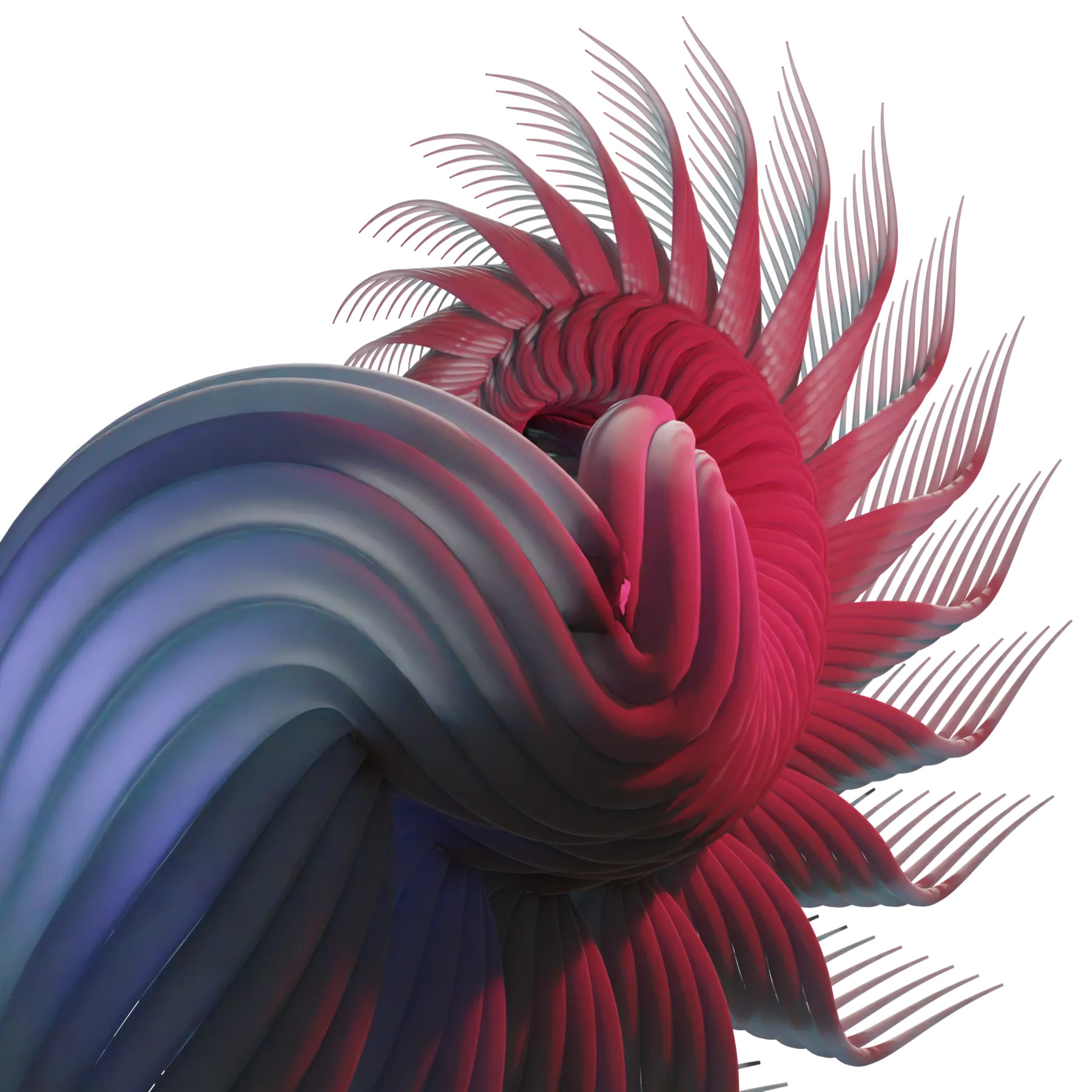
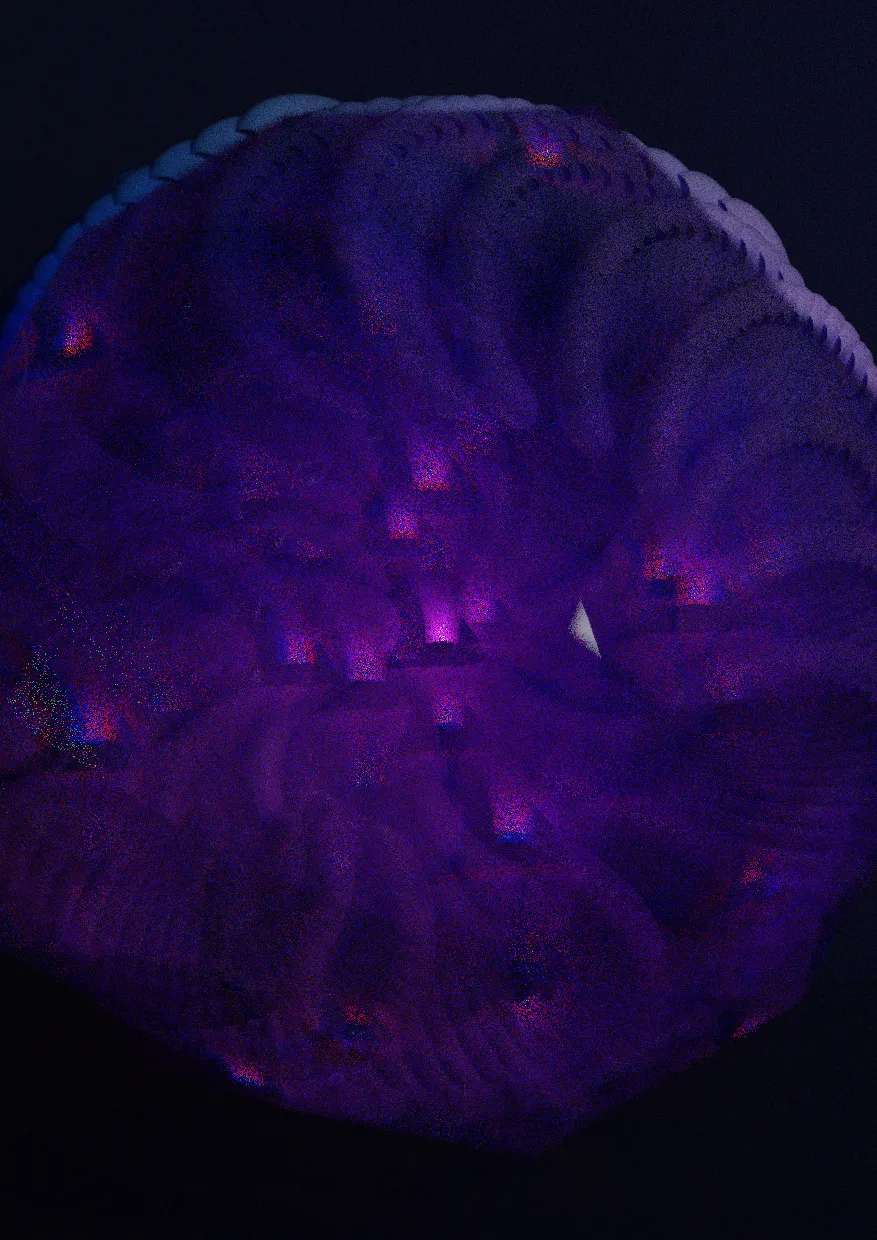
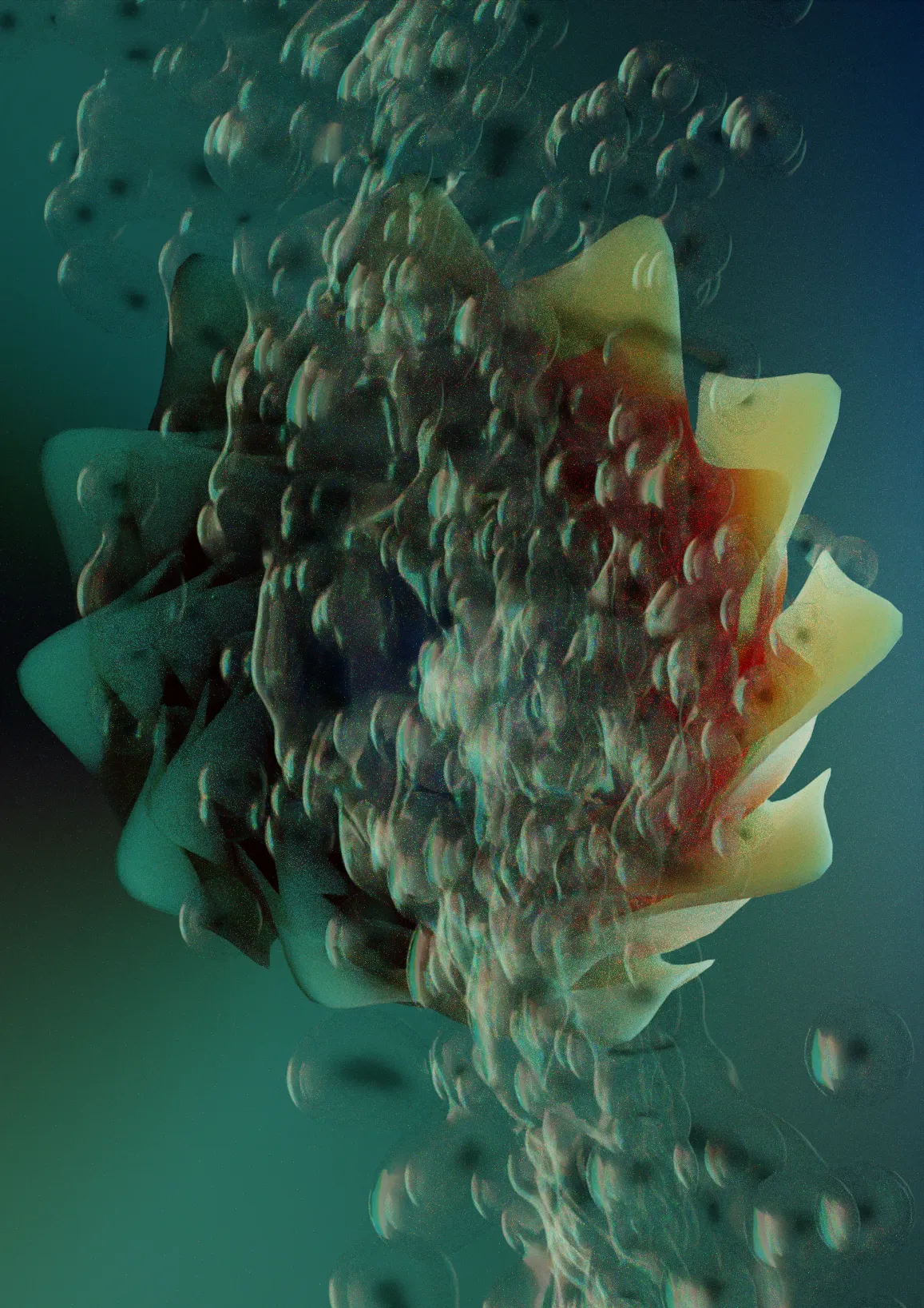
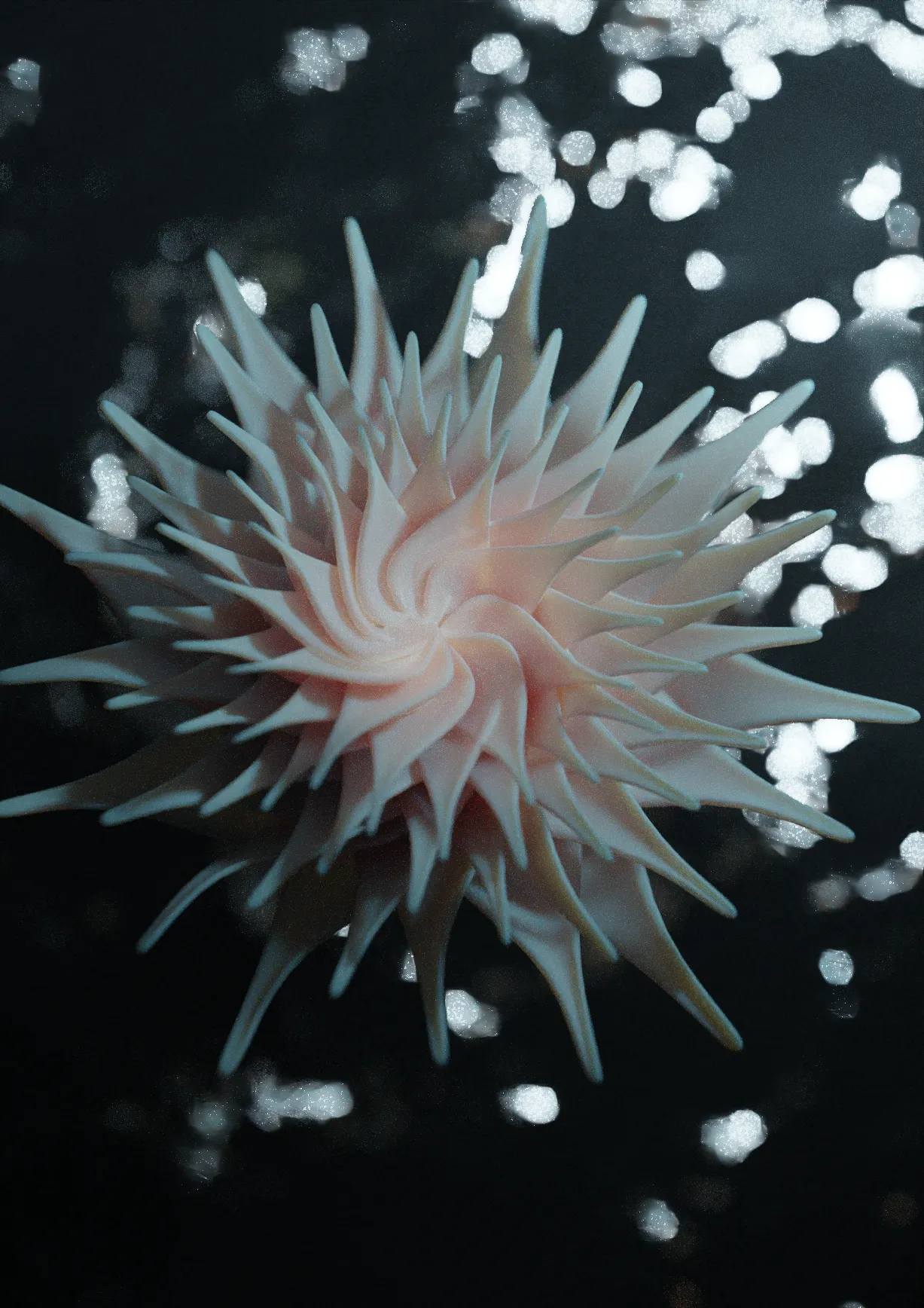
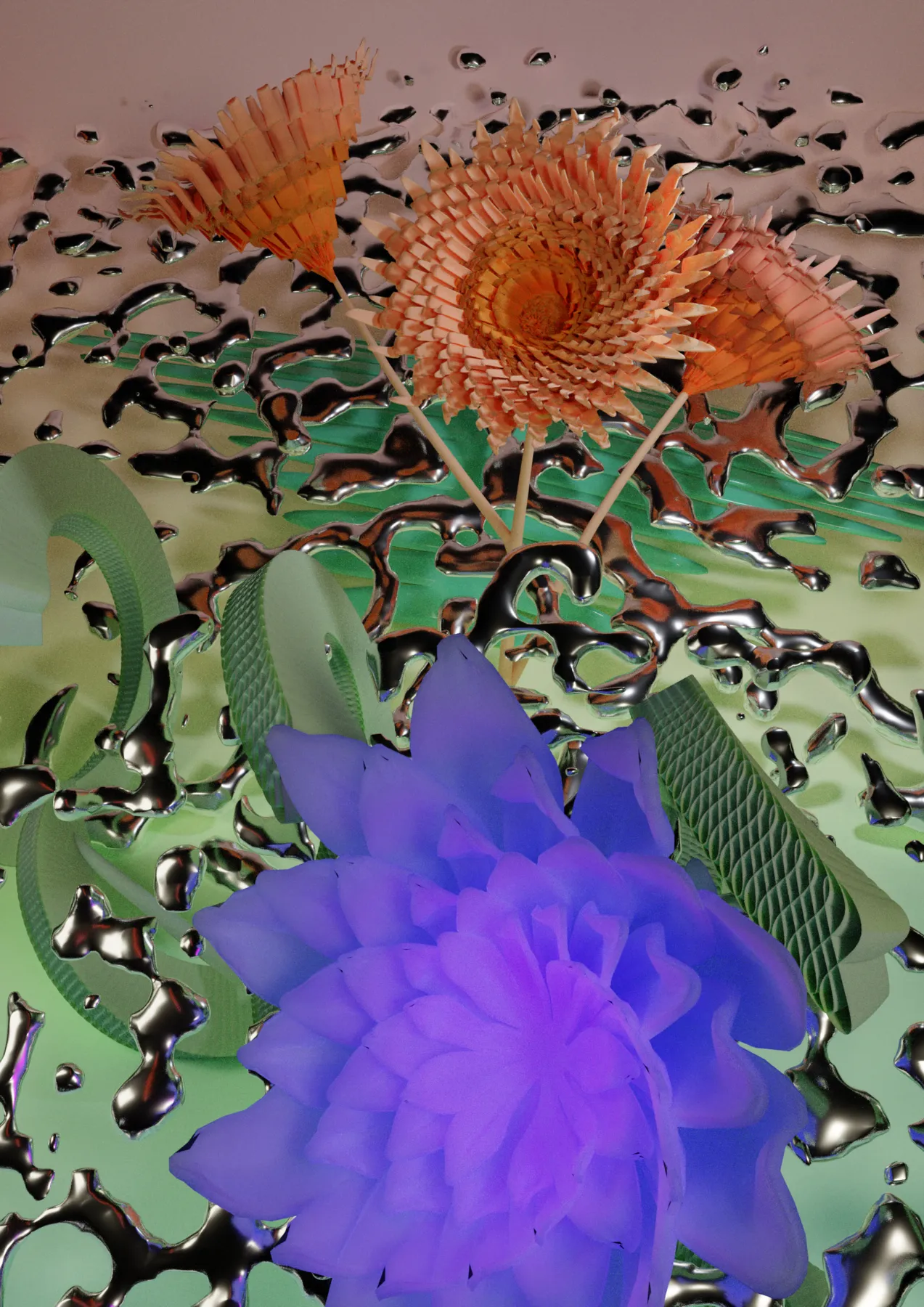
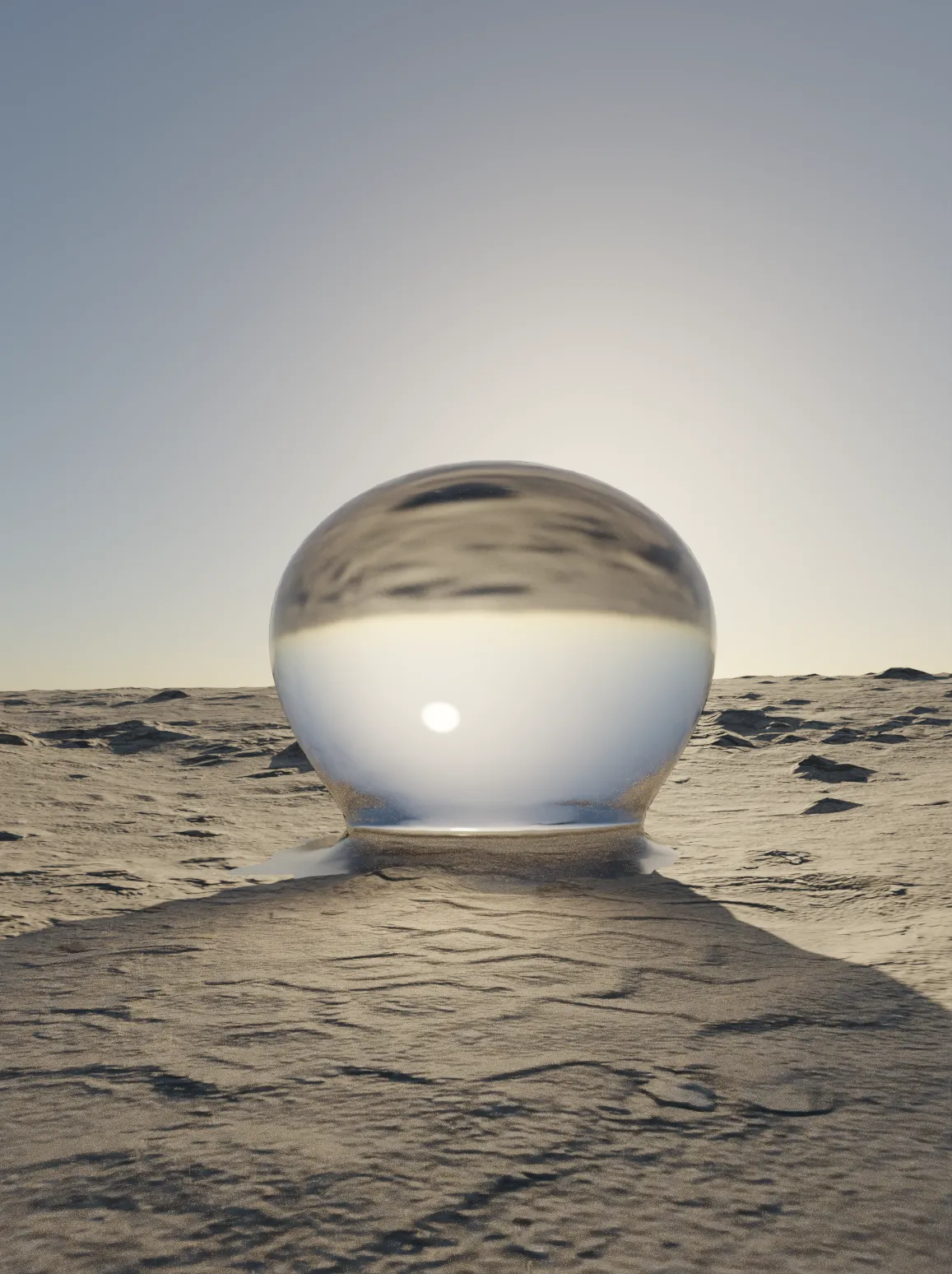
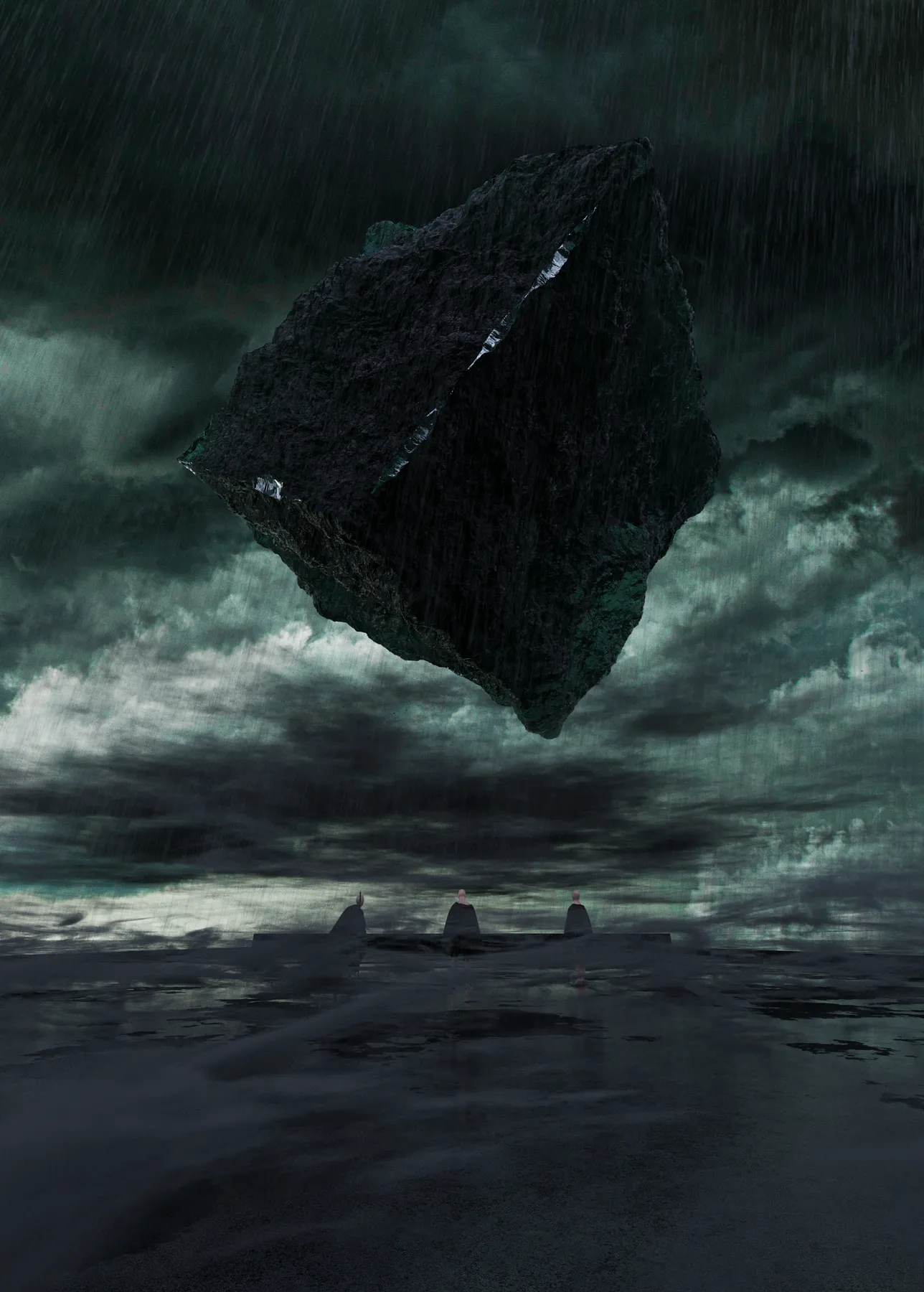
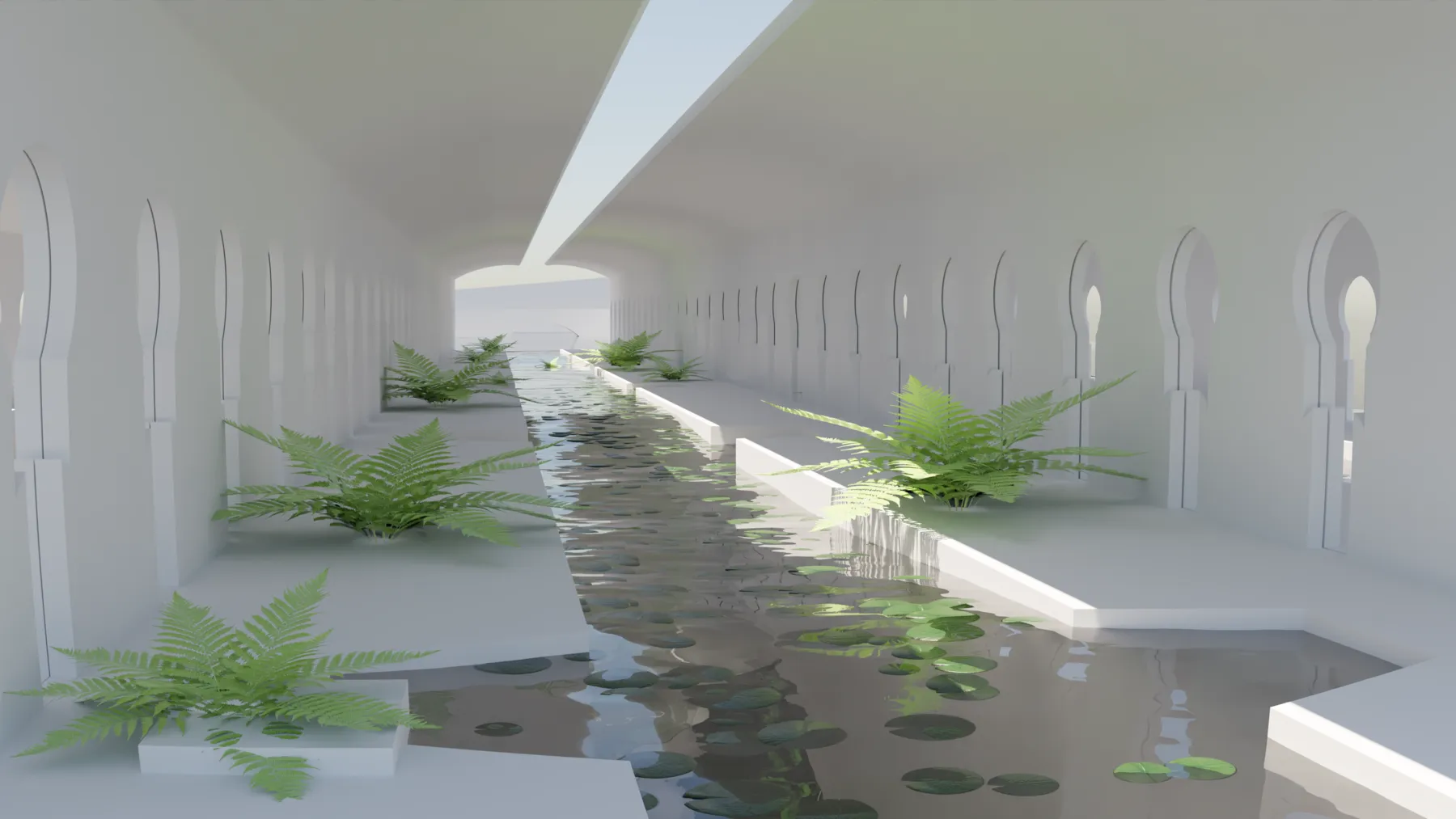
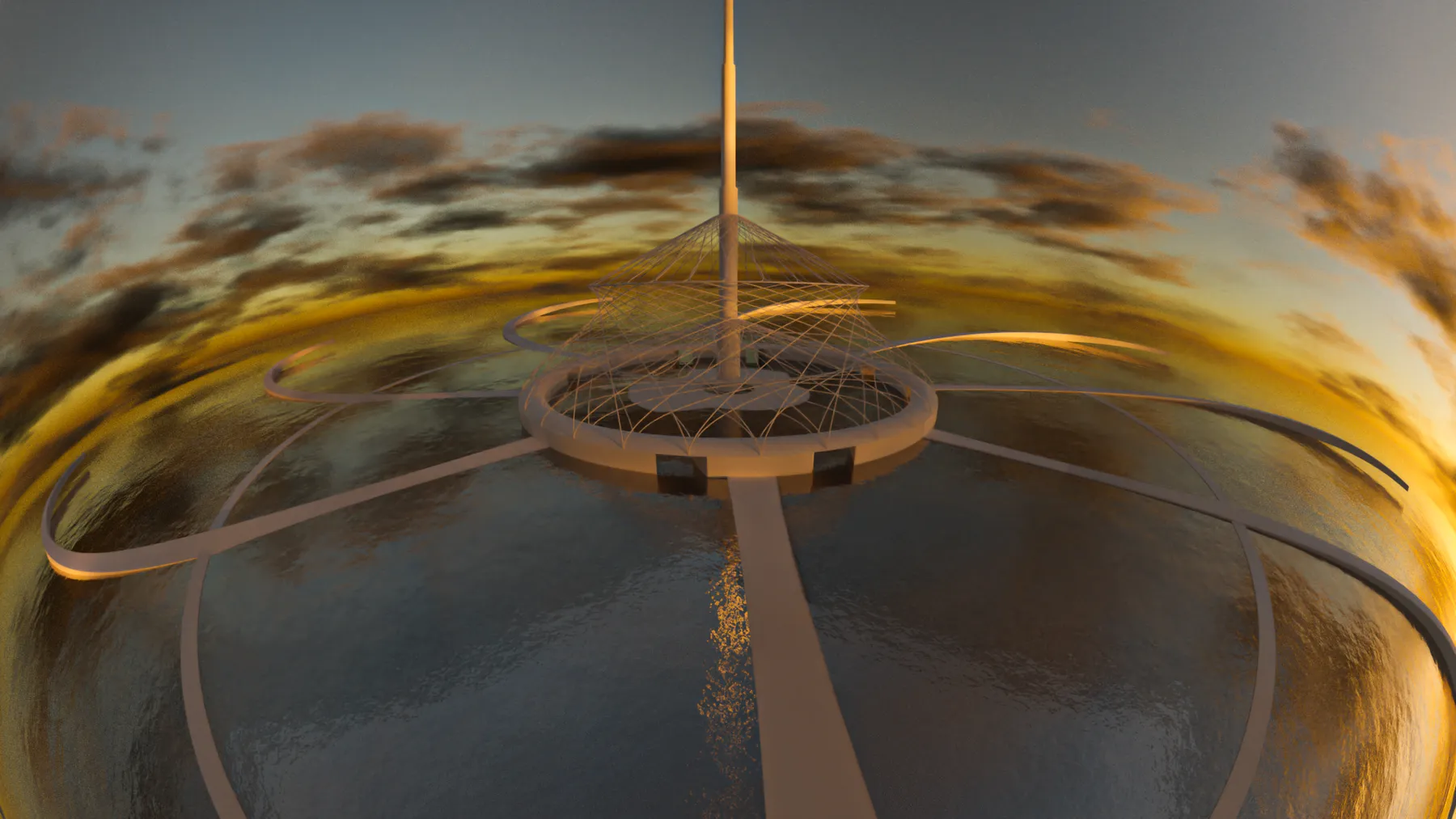
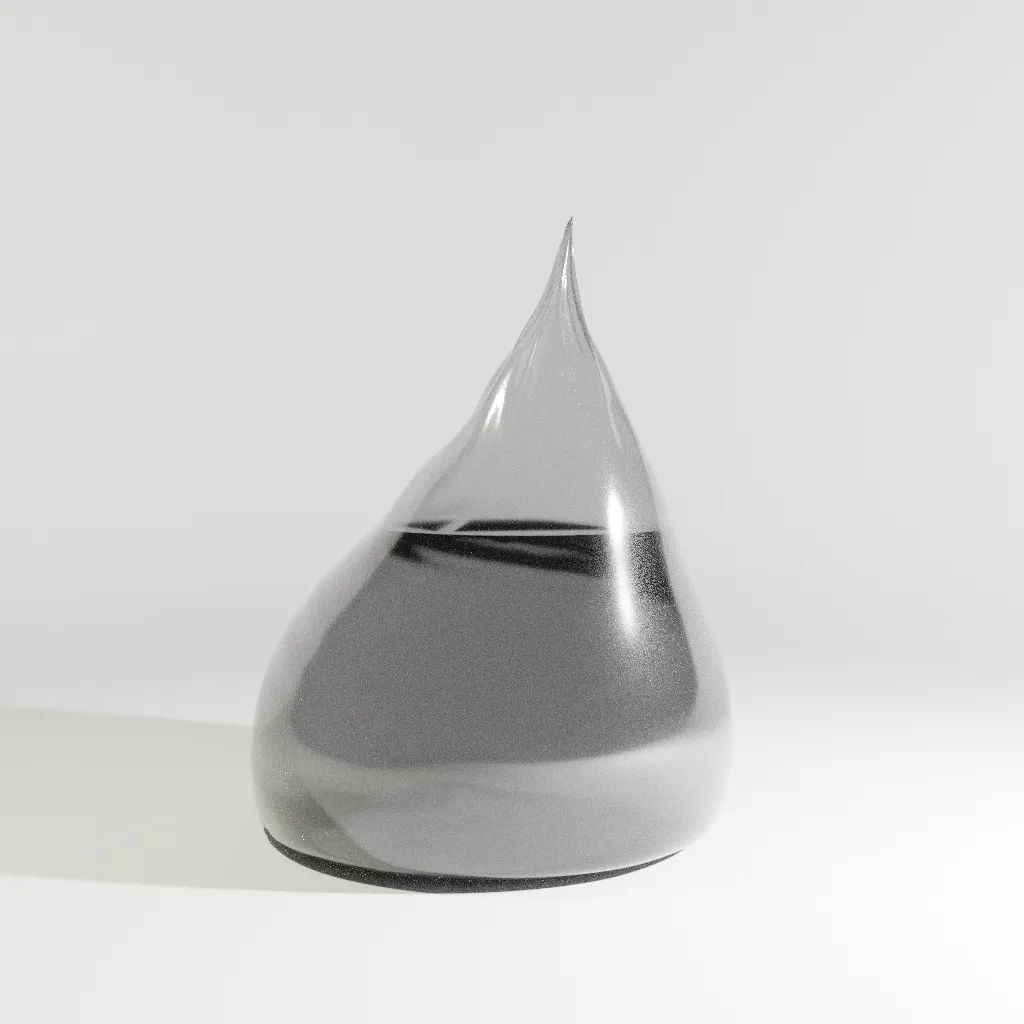
This project also yielded a lot of unused visuals made in Blender:
Tags: JavaScript, ThreeJS, Blender, 3D, Web, UX, Video